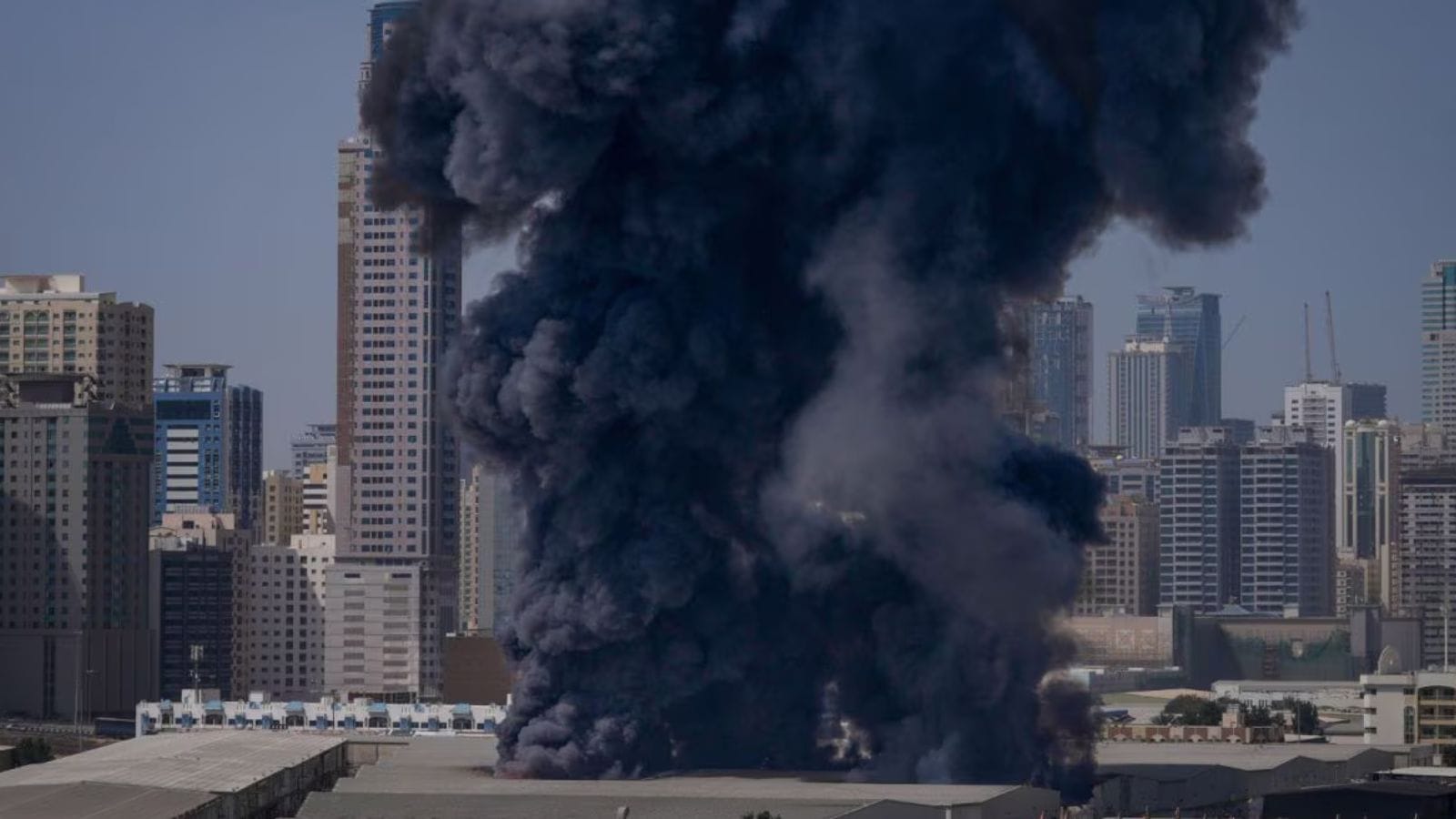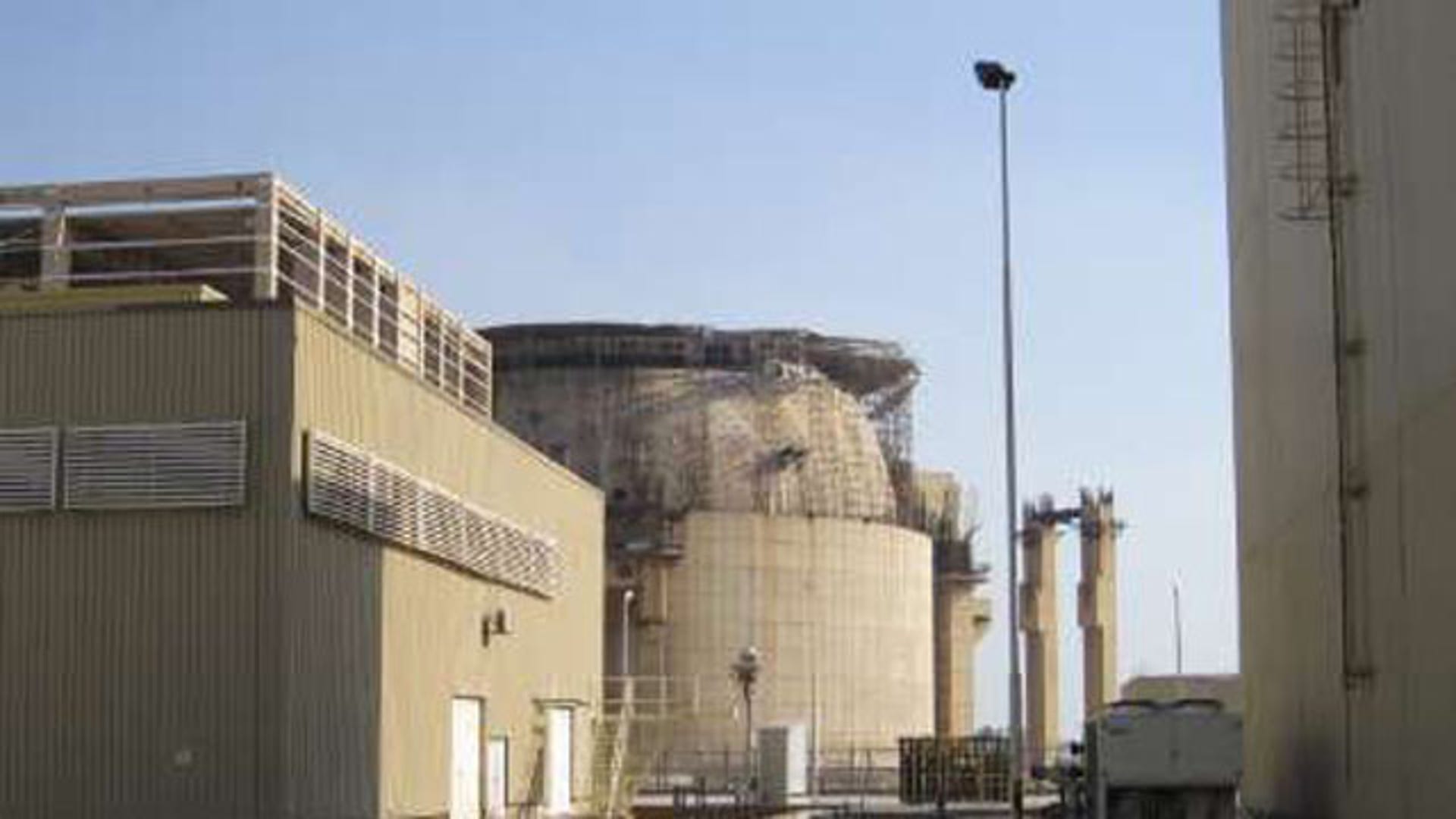
A single projectile just hit the grounds of Iran’s Bushehr nuclear power plant, and while the headlines say "no damage," you shouldn't breathe a sigh of relief just yet. This isn't just another stray missile in a messy conflict. It's a massive shift in the unwritten rules of the current war involving Iran, Israel, and the United States.
For three weeks, the Bushehr facility was the one place everyone seemed to agree was off-limits. Now, that red line has been crossed. According to the Atomic Energy Organization of Iran (AEOI) and Russia’s Rosatom, the strike happened Tuesday evening around 7:00 PM. It landed near the metrology service building—basically the site's weather and measurement hub—frighteningly close to the main operating power unit.
The Myth of the Harmless Strike
The official line from Tehran and Moscow is that everything is fine. No radiation leaks. No structural damage. No dead staff. But if you’re looking at this through a strategic lens, "no damage" is a distraction.
The real story is the location. Bushehr isn't a hidden enrichment bunker like Natanz or Fordow, which are buried under mountains to survive bunker-busters. Bushehr is a sitting duck on the Persian Gulf coast. It’s a civilian light-water reactor that provides about 1,000 megawatts of power to the Iranian grid. Because it’s a functioning power plant containing active nuclear fuel, hitting it is a gamble with the lives of millions—not just in Iran, but across the water in Kuwait, Qatar, and the UAE.
A "near miss" at a nuclear plant is rarely an accident in modern warfare. It’s a calling card. It tells the defender: We can touch you whenever we want.
Why This Timing Matters
The strike didn't happen in a vacuum. It followed a chaotic 24 hours where the Iranian leadership took some of its heaviest hits since the conflict began on February 28.
- Leadership Vacuum: Just hours before the Bushehr incident, reports confirmed the death of Ali Larijani, a top security official, and Gholamreza Soleimani, the Basij commander.
- Intelligence Failure: On the same night as the strike, Israel claimed to have eliminated Iran’s Intelligence Minister, Esmail Khatib.
- Retaliation Cycle: Iran had just launched its own strikes across the region, even hitting near an Australian airbase in the UAE.
By putting a projectile inside the perimeter of Bushehr, the message to Tehran is clear: your most sensitive civilian infrastructure is no longer a sanctuary. If Iran continues to escalate, the "accidental" proximity of these strikes might disappear.
The Russian Factor
You can’t talk about Bushehr without talking about Moscow. This is a Russian-built plant, fueled by Russian uranium, and staffed by Russian engineers. Rosatom head Alexey Likhachev confirmed that about 480 Russian personnel were on-site during the strike.
Moscow is already losing its patience. They’ve lodged a formal protest with Israel, claiming the strike landed near the residences where their experts sleep. This creates a nightmare for the U.S. and Israel. If a stray piece of shrapnel kills a dozen Russian nuclear scientists, this regional war suddenly turns into a direct confrontation between nuclear superpowers. Russia has already started "third wave" evacuations of its staff, which tells you they don't believe the "no damage" reports mean the danger has passed.
What Happens if the Shield Cracks
If a future strike actually hits the reactor core or the spent fuel pools, we aren't just talking about a power outage. We're talking about a radiological disaster in one of the world’s most vital economic arteries.
The Persian Gulf is shallow. It’s the primary source of drinking water for the Gulf Arab states through massive desalination plants. A radiation leak at Bushehr would likely be carried by the prevailing winds directly toward the Arabian Peninsula. Within hours, the water supply for millions of people could be contaminated. It’s the ultimate environmental "poison pill."
The Strategy of Intentional Proximity
In military circles, there's a concept called "intentional proximity." You don't hit the target; you hit the fence. It’s a psychological tool designed to force the opponent to move their air defense assets. Iran has some of its best S-300 and local defense systems stationed around Bushehr. By forcing Iran to burn through interceptors to protect a civilian plant, the attackers make other military targets—like missile silos or IRGC command centers—more vulnerable.
What to Watch for Next
Don't expect a formal "confession" from the U.S. or Israel regarding this specific strike. They’ll likely point to "intercepted debris" or "malfunctioning Iranian air defense" as the cause. But watch the satellite feeds and the diplomatic cables.
If you see a total withdrawal of Russian personnel from the site in the next 48 hours, that’s your signal that the backroom diplomacy has failed. It means the "sanctuary status" of nuclear sites is officially dead.
Keep an eye on the IAEA's radiation monitoring stations in neighboring countries. While Tehran says the background radiation is normal, independent data from across the Gulf will provide the real truth. For now, the world is watching a high-stakes game of chicken played with a nuclear reactor as the centerpiece.
Check the prevailing wind patterns in the Persian Gulf today. If they're blowing south-southeast, the tension in Riyadh and Dubai is likely higher than the official statements suggest.