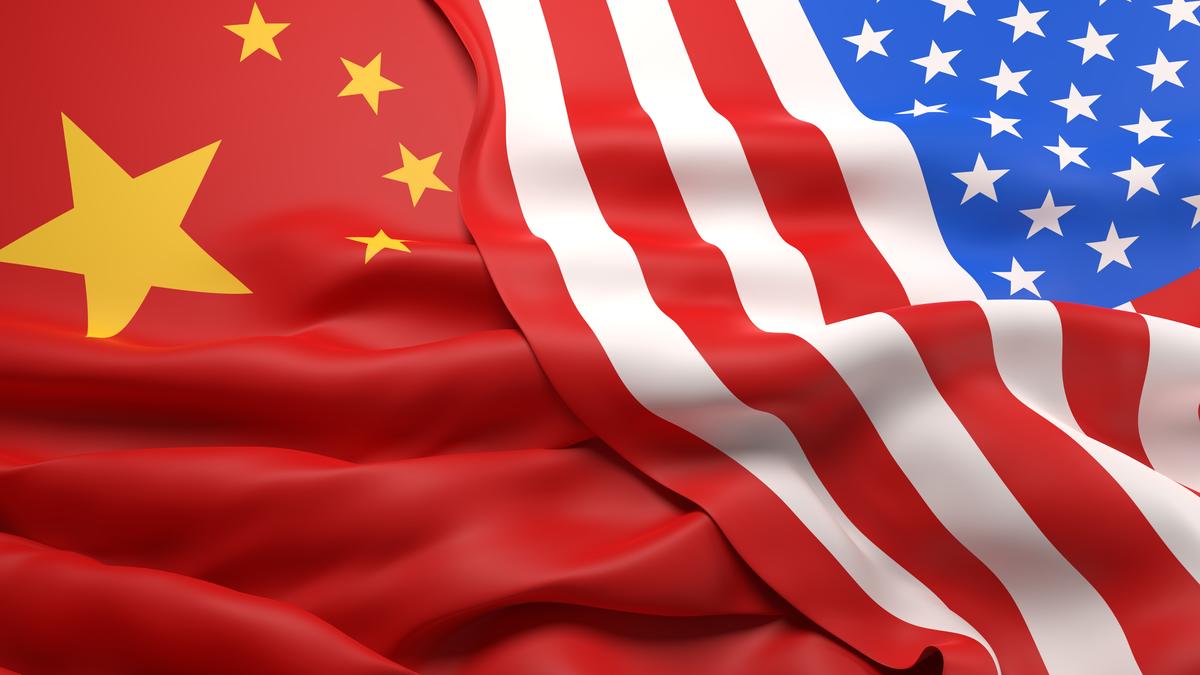
Washington just updated its travel advisory for Hong Kong, and Beijing isn’t happy. Not even a little bit. The Chinese Foreign Ministry has officially lodged a "stern representation," which is diplomatic speak for a formal, angry protest. They’re claiming the U.S. is "smearing" the city’s reputation and trying to interfere in internal affairs. If you’ve followed the news over the last few years, this back-and-forth feels familiar. But this time, the tension is centered on very specific, very real changes to how the law works on the ground in one of the world's most important financial hubs.
The U.S. State Department basically told Americans to "exercise increased caution" when visiting. That’s a Level 2 warning. It’s not a "do not travel" order, but the language used is what’s causing the friction. The advisory points directly at the new national security laws—specifically Article 23—as a reason why travelers and businesses might face arbitrary enforcement or detention. Don't miss our earlier post on this related article.
China’s stance is simple. They say these laws are necessary to keep the peace and prevent the kind of chaos seen in 2019. From their perspective, the U.S. is weaponizing travel warnings to hurt Hong Kong’s economy. It’s a messy, high-stakes game of narrative control.
The Reality of Article 23 and Why the US Is Worried
To understand the protest, you have to understand the law. Article 23 was passed quickly earlier this year to plug what Beijing called "loopholes" in the 2020 National Security Law. It covers things like treason, insurrection, and the theft of state secrets. To read more about the background of this, BBC News provides an in-depth breakdown.
The problem? The definitions are broad.
The U.S. government argues that under these rules, "state secrets" could include everyday financial data or corporate research that businesses rely on. Imagine a hedge fund analyst digging into a Chinese company's debt. In the past, that was just due diligence. Now, there’s a fear it could be classified as espionage. That’s the "arbitrary enforcement" the U.S. warning is talking about.
Beijing fires back by saying these laws are no different from the security acts in the U.S. or the UK. They argue that as long as you aren’t actively trying to topple the government, you have nothing to fear. But for a lawyer or a journalist sitting in a Hong Kong cafe, the "gray zone" between normal work and a criminal offense feels a lot wider than it used to be.
Moving Beyond the Political Rhetoric
Foreign Ministry spokesman Lin Jian didn't hold back in his recent press briefing. He accused the U.S. of having "political prejudices" and urged them to stop "manipulating" the situation. This isn't just about tourism. It’s about the "One Country, Two Systems" framework that was supposed to keep Hong Kong unique until 2047.
When the U.S. issues an alert, it isn't just telling tourists to be careful. It’s signaling to multinational corporations that the legal risk of operating in Hong Kong has changed. If a company can’t guarantee its employees won't be questioned over an email or a document, they start looking at Singapore or Tokyo instead.
China sees this as an economic hit job. They’re trying to restore Hong Kong’s status as a global business center post-pandemic, and a "Level 2" warning from the world’s largest economy is a massive roadblock.
What This Means for People on the Ground
If you’re a regular traveler, you probably won't notice a difference at the airport. You can still get your dim sum, and the skyline still looks incredible. The streets are safe, and the infrastructure is top-tier. The risk isn't about street crime; it’s about political expression.
- Digital footprints matter. What you post on social media, even before you arrive, can technically be used under these laws.
- Business data is sensitive. Companies are increasingly using "burner" laptops or specialized VPNs when traveling to the region.
- Consular access isn't guaranteed. The U.S. has warned that if you have dual citizenship (U.S. and Chinese), China might not recognize your U.S. status, making it harder for the embassy to help you if things go south.
The tension comes from the fact that Hong Kong is trying to be two things at once. It wants to be a global, open financial capital, but it also has to align with Beijing’s strict national security requirements. Those two goals are currently slamming into each other.
The Diplomatic Standoff Isn't Ending Soon
Don't expect either side to blink. The U.S. isn't going to retract the advisory because their job is to warn citizens about potential legal shifts. China isn't going to stop protesting because they see any foreign comment on Hong Kong as a violation of their sovereignty.
We’re seeing a decoupling of legal expectations. One side sees "stability," while the other sees "suppression."
For anyone planning a trip or a business move, the best advice is to stay informed but stay practical. The "Level 2" advisory puts Hong Kong in the same category as France or Italy for the U.S. State Department—though for very different reasons. In France, it’s terrorism and civil unrest. In Hong Kong, it’s the legal system itself.
If you're heading there, keep your political opinions off public forums and make sure your business affairs are transparent. The city is still open for business, but the rules of the game have shifted permanently. You have to decide if the risk fits your comfort level. Keep an eye on the official State Department updates, but also look at the actual text of the Safeguarding National Security Ordinance to see where the boundaries are drawn.