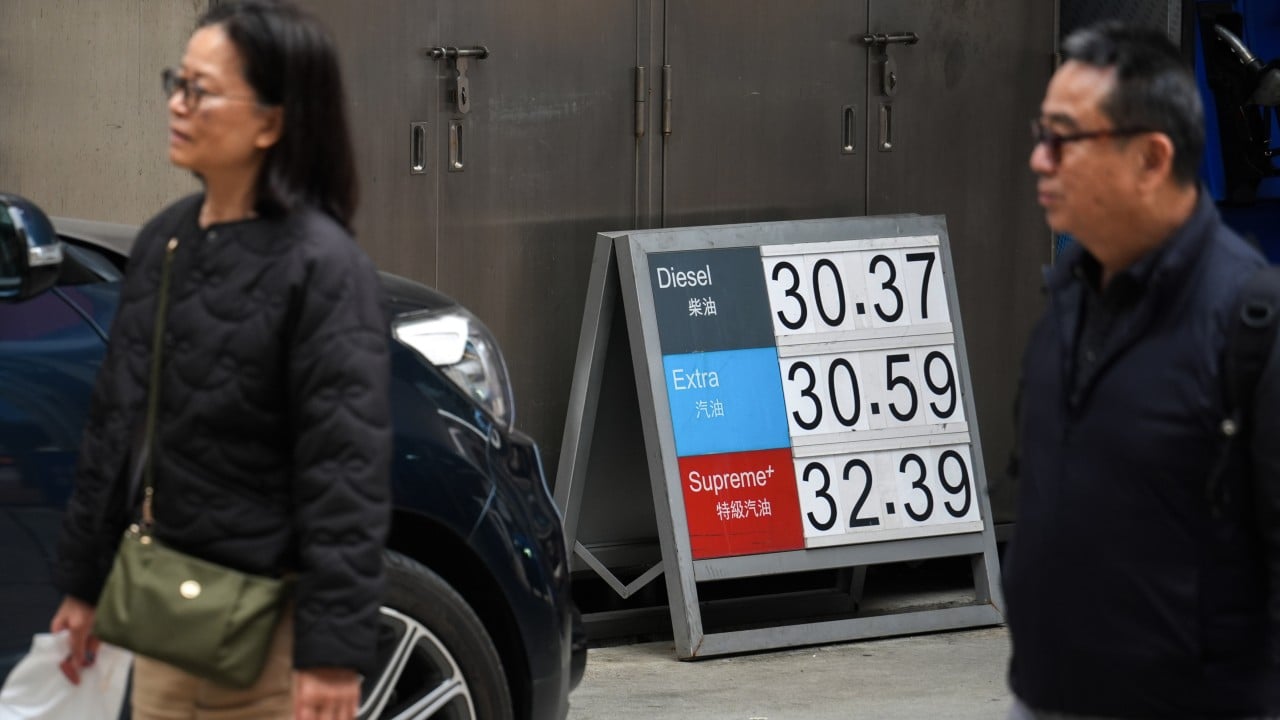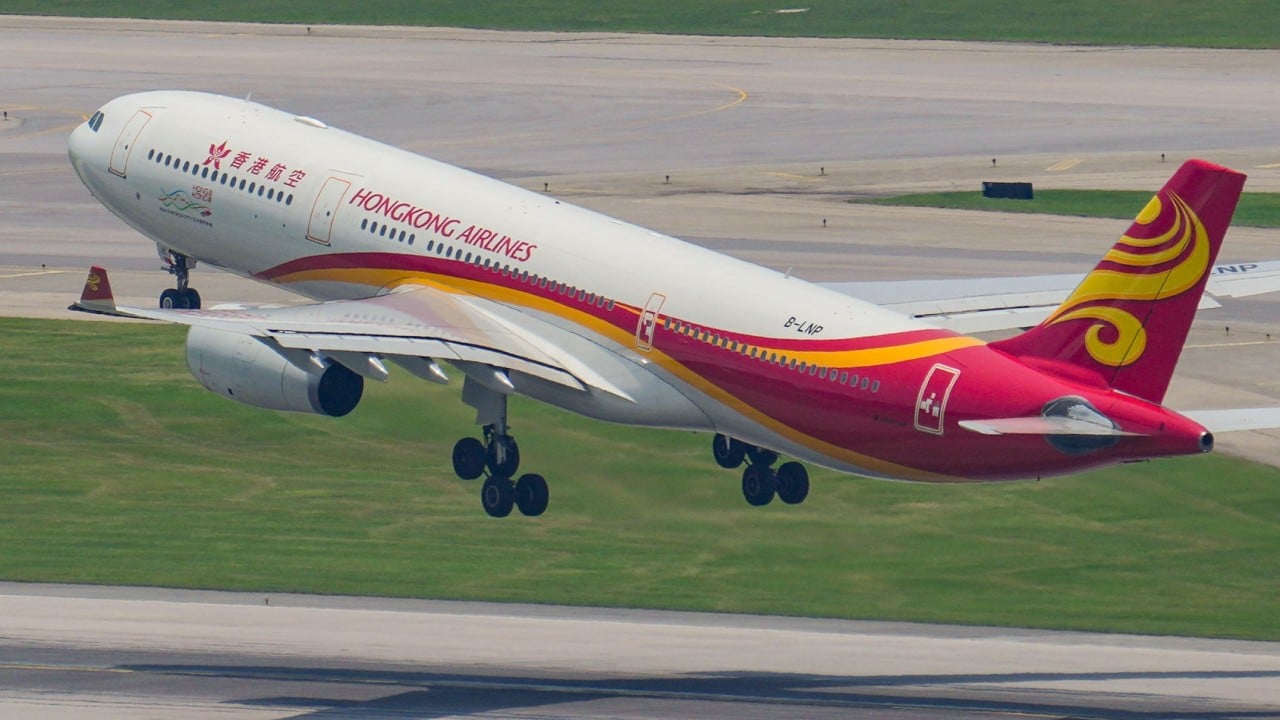
Hong Kong Airlines’ decision to implement a 35% increase in fuel surcharges is not merely a reactive pricing adjustment; it is a defensive maneuver dictated by the high-beta relationship between jet fuel spot prices and thin operating margins. In the aviation industry, fuel typically accounts for 25% to 40% of total operating expenses. When Brent crude fluctuates, the lag between procurement and ticket issuance creates a liquidity gap that can only be bridged through immediate pass-through mechanisms. This surcharge adjustment serves as a critical stabilization tool for a carrier navigating the volatile intersection of geopolitical supply constraints and a recovery-phase balance sheet.
The Mechanics of the Fuel Cost Function
To understand why a 35% hike is necessary, one must break down the airline's cost function. Aviation fuel is not a static line item; it is a variable influenced by the "crack spread"—the price differential between a barrel of crude oil and the refined product (Jet A-1).
The total cost of fuel for an operator like Hong Kong Airlines is defined by three primary variables:
- The Base Commodity Price: The global benchmark for Brent or WTI crude.
- Refining and Logistics Premiums: The costs associated with processing and transporting fuel to Hong Kong International Airport (HKIA).
- Hedging Effectiveness: The ratio of fuel purchased at locked-in prices versus fuel purchased at current market rates.
If an airline has a low hedging ratio—meaning they are buying most of their fuel at "spot" prices—they are fully exposed to market spikes. The 35% surcharge increase suggests that the carrier’s previous pricing model failed to account for the current upward trajectory of the Mean of Platts Singapore (MOPS) kerosene benchmark. By raising the surcharge, the airline attempts to decouple its ticket revenue from its fuel liabilities, effectively shifting the commodity risk onto the consumer.
The Revenue Management Paradox
Increasing surcharges by 35% creates a friction point in price elasticity. In a competitive corridor like North Asia, passengers are highly sensitive to "all-in" ticket prices. When a carrier increases the surcharge, it essentially raises the floor price of every seat.
- The Price Floor Problem: Even if the base fare is marketed at a discount, the non-negotiable surcharge keeps the total cost of acquisition high. This can lead to a "load factor" decay, where planes fly with more empty seats because the total price exceeds the passenger's perceived value.
- Yield Dilution: To maintain a high load factor (percentage of seats filled), the airline may be forced to lower the base fare to offset the increased surcharge. This results in zero net gain in total revenue per passenger, while the airline's tax and fee obligations remain constant.
The strategic rationale for a surcharge over a base fare increase is purely operational. Surcharges can be adjusted or removed with much higher frequency and less regulatory friction than standard fare filings. It allows for a "dynamic defense" against a fluctuating oil market.
Geographical and Structural Constraints at HKIA
The Hong Kong aviation market operates under specific constraints that amplify the impact of fuel volatility. Unlike US domestic carriers that benefit from a massive internal market, Hong Kong Airlines is almost entirely reliant on international and regional cross-border traffic.
This makes the carrier more susceptible to:
- Currency Fluctuations: Fuel is priced in USD, while a significant portion of the airline's revenue is collected in HKD or other regional currencies. A strengthening dollar effectively increases the fuel bill even if the oil price remains flat.
- Airport Charge Structures: HKIA is one of the most expensive hubs in the world for landing and parking fees. When these fixed costs are combined with rising variable fuel costs, the "breakeven load factor"—the percentage of seats an airline must sell just to cover the costs of the flight—rises toward unsustainable levels, often exceeding 80%.
Categorizing the Impact on Passenger Segments
The 35% surcharge does not affect all travelers equally. The impact is stratified based on the purpose of travel and the length of the route.
Short-Haul (Regional) Elasticity
On routes to Taipei, Manila, or Shanghai, the fuel surcharge represents a larger percentage of the total ticket price. In these markets, low-cost carriers (LCCs) provide stiff competition. A 35% jump in the surcharge could drive price-sensitive leisure travelers toward competitors who might have better fuel hedging positions or more fuel-efficient fleets (such as A321neo aircraft).
Long-Haul Structural Costs
For longer flights, fuel consumption is non-linear. The "fuel to carry fuel" weight penalty means that on a 10-hour flight, a significant portion of the initial fuel burn is dedicated solely to lifting the weight of the fuel needed for the end of the journey. A surcharge increase here is vital for cost recovery, as the absolute volume of kerosene consumed is massive. However, business travelers—who are less price-sensitive—typically absorb these costs, providing a buffer for the airline’s margins.
The Technological Gap in Fleet Efficiency
A significant driver of the need for higher surcharges is the physical composition of the fleet. Older generation aircraft (e.g., Airbus A330-200/300) consume significantly more fuel per Available Seat Kilometer (ASK) than new-generation models like the A350 or A321neo.
- Burn Rate Disparity: An older A330 may burn 15% to 20% more fuel than a modern equivalent on the same route.
- Maintenance Escalation: As engines age, their "Specific Fuel Consumption" (SFC) naturally increases due to component wear and thermal degradation.
- Capital Allocation: If the airline cannot afford to modernize its fleet due to debt obligations, it is trapped in a cycle of high operational costs, necessitating higher surcharges to survive, which in turn limits the capital available for fleet renewal.
Systemic Risks and the Surcharge Ceiling
There is a ceiling to how high surcharges can go before they trigger a "demand destruction" event. If the cost of travel exceeds the economic utility for enough passengers, the airline will see a sharp drop in bookings. This creates a liquidity crisis: the airline needs cash to buy fuel, but it cannot generate cash because the price of the ticket is too high.
The current 35% hike signals that Hong Kong Airlines is approaching this ceiling. It is a gamble that the market's "revenge travel" sentiment remains strong enough to absorb the cost. If global economic growth slows or if oil prices push Brent toward $100 per barrel, the surcharge mechanism may no longer be sufficient to protect the bottom line.
Strategic Recommendation for Market Positioning
To move beyond reactive pricing, the carrier must pivot toward a "Structural Efficiency" model. This involves three immediate maneuvers:
- Aggressive Fleet Retirement: Decommissioning the highest-SFC (Specific Fuel Consumption) aircraft in the fleet, even if it means temporary capacity reduction. It is more profitable to fly fewer, high-efficiency planes than a large, thirsty fleet.
- Ancillary Revenue Optimization: Decoupling the surcharge from the seat price by unbundling services (bags, seats, meals) more aggressively. This allows the "headline price" to remain competitive while the surcharge covers the core operational risk.
- Route Rationalization: Cutting "thin" routes where the fuel-to-revenue ratio is unfavorable. Focus must shift to "high-density" hubs where fuel can be uplifted at more competitive rates and load factors are historically stable.
The airline must treat the fuel surcharge not as a profit center, but as a temporary life-support system. Long-term viability depends on reducing the "Fuel Intensity" of the entire business model. Any strategic failure to modernize the fleet will render these surcharge increases ineffective within 18 to 24 months as competitors with newer assets drive the market price floor lower.
Would you like me to conduct a comparative analysis of the fuel-burn-per-seat metrics between the Airbus A330 and the A350 on standard regional routes to quantify the exact margin advantage of fleet modernization?