Marco Rubio says we can see the finish line on Iran. That is a comforting lie designed for cable news soundbites. It assumes that geopolitical conflict is a sprint with a ribbon at the end. It isn’t. War—especially the kind of shadow war the West has been fighting with Tehran for forty years—is a marathon run on a treadmill. There is no finish line. There is only the continuous expenditure of capital, blood, and strategic patience.
The "finish line" rhetoric implies that a single decisive blow or a final round of "maximum pressure" sanctions will suddenly transform the Islamic Republic into a compliant, West-facing democracy. It won't. I’ve watched analysts make these same predictions for decades, usually right before the target regime pivots, adapts, or escalates in a way that catches Washington flat-footed. Rubio’s optimism is not a strategy. It’s a marketing campaign for a conflict that will never truly end.
The Myth of Total Collapse
The consensus in Washington is that Iran is a brittle state on the verge of shattering. They look at the protests, the inflation, and the aging leadership and conclude that one more push will do it. This is a fundamental misunderstanding of how resilient authoritarian regimes actually are.
Iran isn't a startup. It is a deeply entrenched ideological state with a sophisticated internal security apparatus (the IRGC) that has spent decades bulletproofing itself against external shocks. When we talk about "finishing" the job, we are ignoring the reality of the Deep State of the Resistance.
- Financial Autarky: While the West thinks in terms of SWIFT codes and dollar-denominated trade, Tehran has built a shadow economy. They use a network of front companies, gold swaps, and bartering systems that bypass the traditional banking sector entirely.
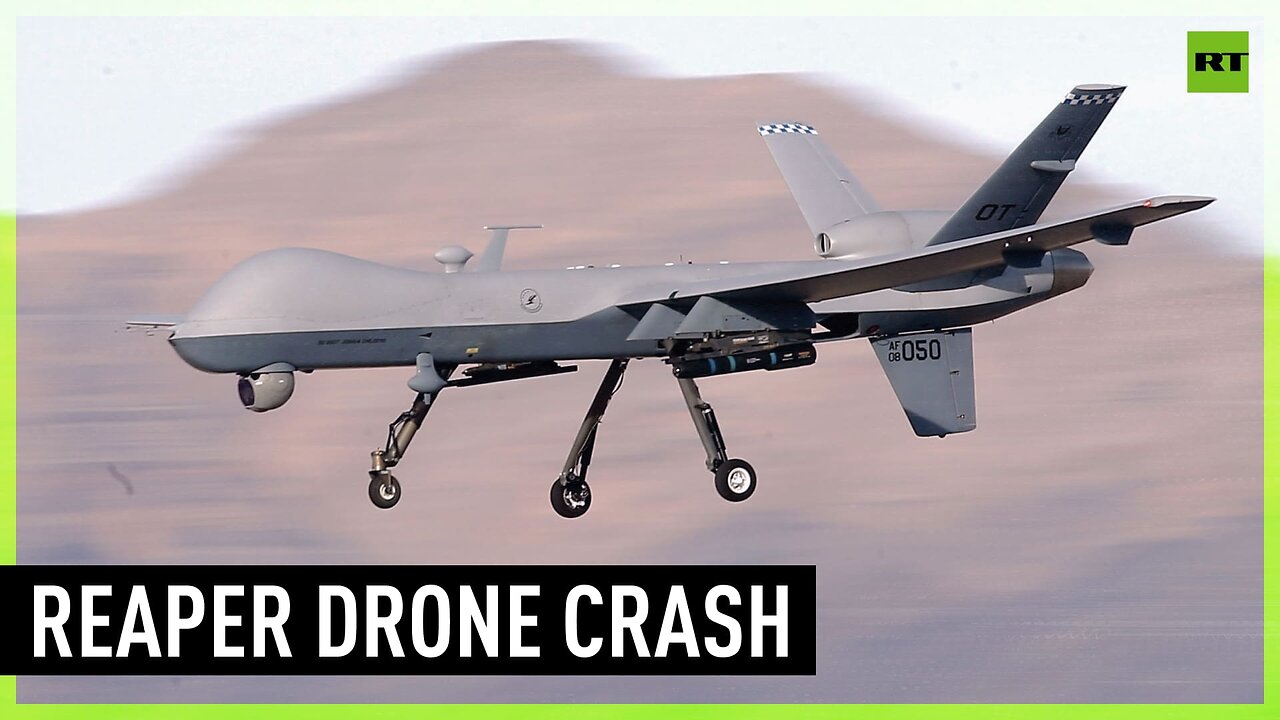
- Asymmetric Leverage: They don't need a blue-water navy. They need cheap drones and proxies. A $20,000 Shahed drone can tie up a billion-dollar carrier group. That isn't a finish line; it's a cost-asymmetry nightmare.
- Ideological Insulation: Economic pain doesn't always lead to revolt. Often, it leads to total state dependency. If the government is the only entity providing bread and security, the population becomes more tethered to the regime, not less.
Sanctions Are a Static Tool in a Dynamic World
We love sanctions because they feel like doing something without actually doing the hard work of diplomacy or the bloody work of war. But sanctions have a shelf life. They are like antibiotics; use them too much, and the bacteria evolves.
Iran has developed "sanction immunity." They have diversified their buyer pool to include actors who don't care about the U.S. Treasury's threats. China, for instance, isn't looking for a "finish line." They are looking for discounted oil and a way to keep the U.S. bogged down in the Middle East. By framing this as a race to a finish line, Rubio ignores that the track is being rebuilt by our competitors while we run.
I have seen the internal reports where "maximum pressure" was supposed to bring Tehran to its knees within six months. That was years ago. The reality? Iran’s nuclear enrichment is more advanced today than it was before the pressure campaigns began. If the finish line was stopping the bomb, we are running in the wrong direction.
The Proxy Trap
Rubio’s "finish line" suggests a world where the IRGC stops funding Hezbollah, the Houthis, and various militias in Iraq and Syria. This assumes these groups are merely puppets. They aren't. They are franchisees.
Even if the central government in Tehran were to vanish tomorrow, the infrastructure of the "Axis of Resistance" is now self-sustaining in many ways. You cannot "finish" a decentralized network with centralized statecraft. The Houthi rebels in Yemen have proven they can disrupt global shipping with hardware built in garages. Cutting off the head of the snake doesn't work when the snake has evolved into a hydra.
The Cognitive Dissonance of "Victory"
What does "winning" even look like? To Rubio and the hawks, it looks like a regime change. But let’s look at the track record of U.S.-led regime changes in the region.
- Iraq: A power vacuum that birthed ISIS and eventually handed the keys to... Iran.
- Libya: A collapsed state that became a marketplace for human trafficking and weapons smuggling.
- Afghanistan: A twenty-year "finish line" that ended with the same people in power who started it.
To suggest we can see the finish line on Iran is to ignore the historical wreckage of every other finish line we’ve claimed to see in the Middle East. It is a failure of imagination.
The Energy Weapon
The "finish line" crowd never talks about the cost of the final mile. If the conflict with Iran escalates into a kinetic war—which is the logical conclusion of "finishing" things—the global energy market breaks.
The Strait of Hormuz is the world's most important oil chokepoint. Iran doesn't need to win a war to win the economic argument. They just need to sink a few tankers or mine the channel. In that scenario, oil prices don't just "rise." They explode. The global supply chain, already fragile from years of volatility, would seize up. Is the "finish line" worth a global depression?
Stop Asking "When?" and Start Asking "How Much?"
The question "When will Iran fall?" is a loser’s question. It’s based on a flawed premise that states are like companies that go bankrupt. States are more like organisms; they adapt to survive.
Instead of looking for a finish line, we should be calculating the Maintenance Cost of Containment. * How much can we afford to spend on missile defense for our allies?
- How much intelligence capital are we willing to burn to monitor their nuclear sites?
- How much diplomatic credit are we willing to spend to keep an international coalition together that is increasingly bored with this conflict?
We are currently spending billions to maintain a stalemate. Rubio wants you to believe that if we just spend a few billion more, the stalemate ends. It doesn't. The cost just goes up.
The Reality of the "New Normal"
The "finish line" is a myth sold to voters to justify perpetual involvement. The truth is that Iran is a regional power with legitimate—albeit hostile—interests. They aren't going anywhere. They aren't going to wake up tomorrow and decide to be Switzerland.
We need to stop chasing the ghost of a total victory. Geopolitics is not a game of Risk. There are no winners, only survivors. If you think you see the finish line, you’re probably just hallucinating from the heat of the desert.
The obsession with "ending" the Iran problem prevents us from actually "managing" it. Management is boring. Management doesn't get you on the 6 PM news. Management requires nuanced trade-offs and the acceptance that some problems don't have solutions—only consequences.
The finish line isn't in sight. It doesn't exist. Stop running toward a mirage and start figuring out how to survive the heat.