The Indonesian government’s decision to reduce the budget for its flagship free nutritious meal program by US$2.3 billion represents more than a simple cost-cutting measure; it is a tactical retreat necessitated by a collision between populist social policy and the uncompromising realities of global energy markets. This maneuver highlights a specific fiscal trilemma facing emerging economies: the inability to simultaneously maintain currency stability, provide expansive social safety nets, and subsidize domestic energy consumption during periods of high volatility. By prioritizing fuel price stabilization over the "Makan Bergizi Gratis" (Free Nutritious Meal) initiative, Jakarta is signaling that short-term inflationary control currently outweighs long-term human capital investment in the national hierarchy of needs.
The Mechanics of the Fiscal Trade-Off
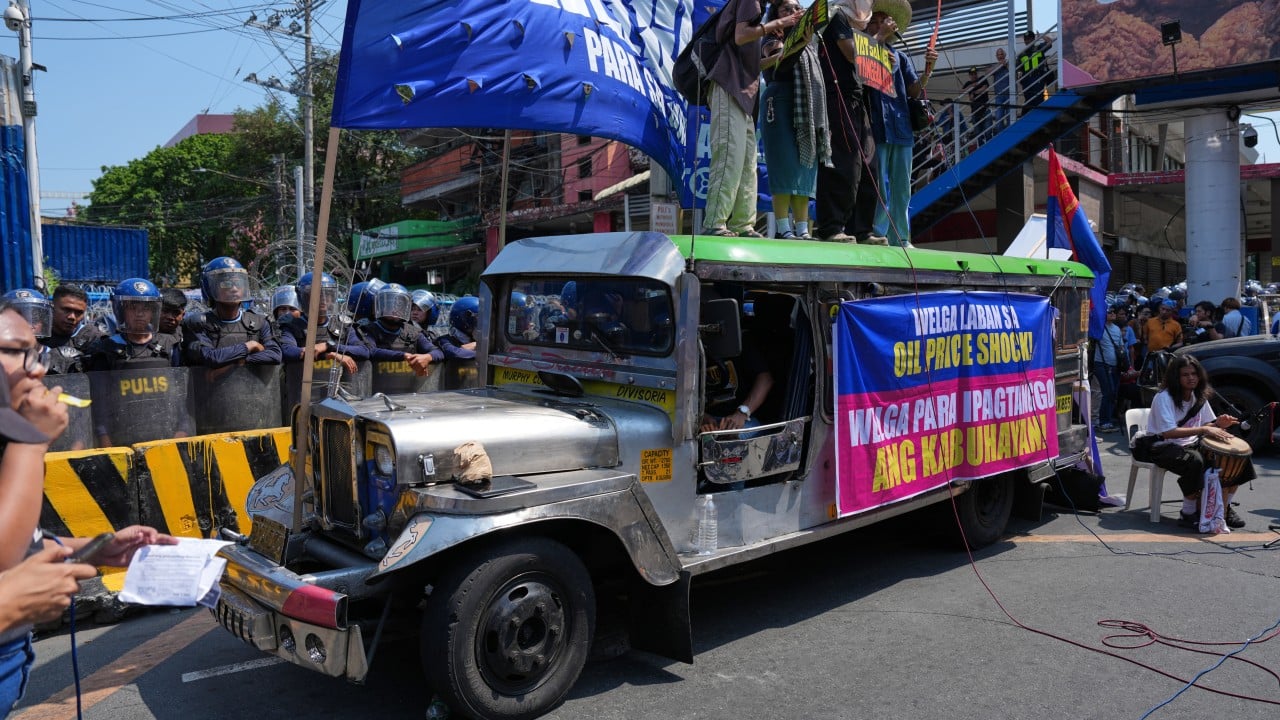
The reallocation of funds is driven by the inverse relationship between the global Brent crude price and the domestic fiscal space of a net oil importer. When fuel prices rise, the cost of maintaining the subsidized "Pertalite" (90-octane gasoline) and solar diesel prices increases exponentially. This creates a "crowding out" effect where the energy subsidy—an obligatory expenditure to prevent civil unrest and logistical paralysis—consumes the discretionary budget originally earmarked for social engineering projects.
The reduction of US$2.3 billion serves as a liquidity buffer. In a structured budget, this capital represents the "Delta" between a stable economic environment and a shock-prone one. By stripping this from the meal program, the administration is effectively buying insurance against a potential blowout in the energy subsidy bill, which often exceeds initial projections by 15-20% during geopolitical instability.
The Cost Function of Social Infrastructure
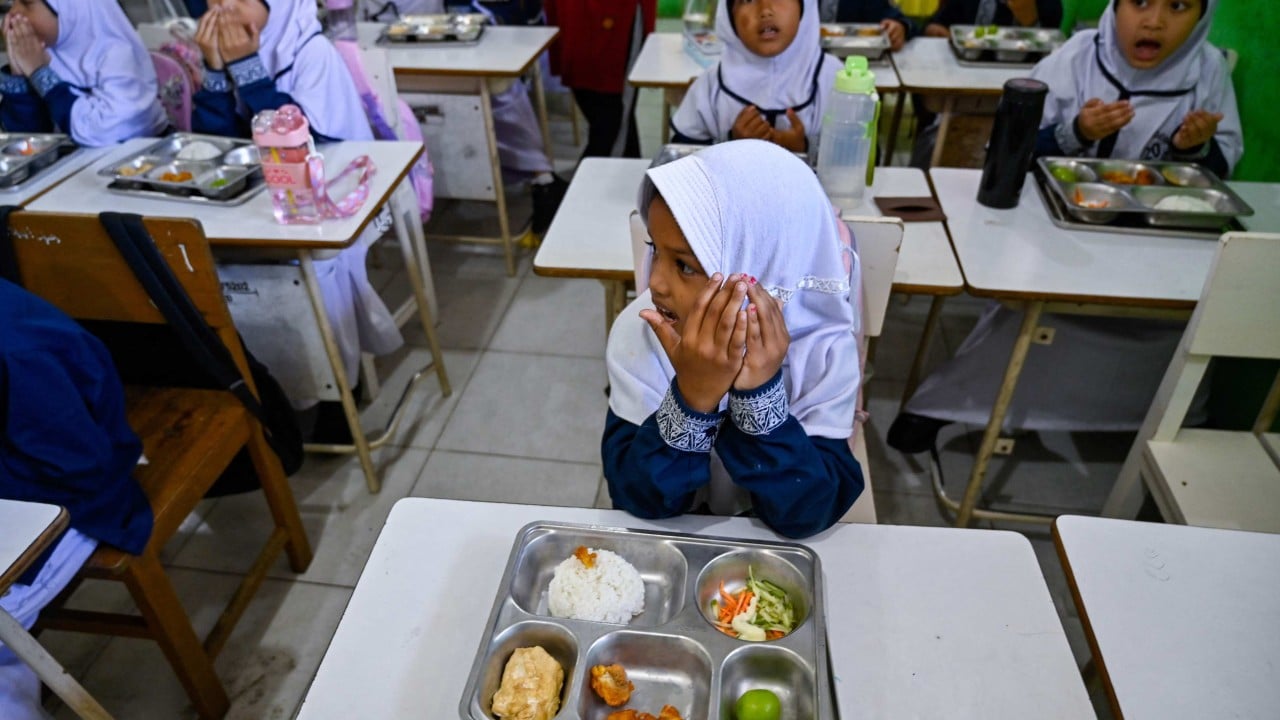
The free meal program was conceptualized as a multi-generational investment in stunting reduction and cognitive development. However, the operational complexity of such a project introduces three specific cost drivers that the current fiscal environment cannot sustain:
- Logistical Perishability: Unlike cash transfers, food programs require a "cold chain" and localized distribution networks. The overhead cost—the "leakage" between the dollar spent and the calorie delivered—is significantly higher than direct-to-consumer digital subsidies.
- Procurement Inflation: As fuel prices rise, the cost of transporting agricultural goods increases. This creates a double-hit to the budget: the program becomes more expensive to execute at the exact moment the funding source is being diverted to pay for the fuel used in that very transport.
- Administrative Friction: Scaling a program to serve over 80 million recipients requires a bureaucratic layer that consumes roughly 12-15% of the gross budget in its first 24 months. By cutting the budget now, the government avoids the "Sunk Cost Trap" of building out an infrastructure that it cannot afford to operate at full capacity.
Energy Subsidies as an Inflationary Anchor
The primary reason fuel takes precedence over food in the Indonesian budget is the "Pass-Through Effect." In the Indonesian economy, energy prices are the foundational variable for all other consumer price index (CPI) components.
- Primary Effect: Direct cost of transportation for the 17,000-island archipelago.
- Secondary Effect: The cost of electricity for manufacturing and refrigeration.
- Tertiary Effect: Inflation expectations. Once fuel prices rise, vendors across all sectors raise prices preemptively, leading to a wage-price spiral that the central bank (Bank Indonesia) would be forced to combat with interest rate hikes.
A failure to subsidize fuel would lead to a contraction in private consumption, which accounts for over 50% of Indonesia's GDP. Consequently, the US$2.3 billion "saving" from the meal program is not a saving in the traditional sense, but a reallocation to protect the GDP growth rate from an exogenous energy shock.
The Human Capital Deficit
While the logic of fiscal discipline is sound, the "Opportunity Cost" of this reduction is a delayed return on human capital. The meal program was designed to address Indonesia’s stunting rate, which remains high compared to regional peers like Vietnam or Thailand.
The relationship between nutrition and economic productivity is non-linear. The loss of nutritional support during the "first 1,000 days" of a child's development results in permanent cognitive deficits that translate to lower lifetime earnings and reduced national tax receipts twenty years in the future. By cutting the program today, the government is essentially taking an "unsecured loan" from the future workforce to pay for current energy consumption. This creates a "Developmental Bottleneck" where the country risks falling into the Middle-Income Trap because its labor force lacks the cognitive development to transition into high-value tech and service sectors.
Structural Vulnerability in Revenue Generation
The necessity of this cut points to a deeper systemic issue: a narrow tax base. Indonesia’s tax-to-GDP ratio has historically hovered around 10-11%, significantly lower than the OECD average of 34% or even the regional average of 15%. This creates a "Rigid Budget" where nearly 70% of revenue is pre-allocated to debt servicing, mandatory education spending (20% of the budget), and civil servant salaries.
When a new, multi-billion dollar program like the free meal initiative is introduced, it exists on the "Fiscal Margin." It is the first item to be liquidated because it lacks the legal or structural protection of mandatory spending categories.
Currency Volatility and the Rupiah Pressure
The fiscal decision is also a monetary signal. Global investors monitor Indonesia’s "Twin Deficits"—the fiscal deficit and the current account deficit. If the government were to maintain the full meal program while also paying for increased fuel subsidies, the fiscal deficit would likely breach the 3% GDP ceiling mandated by law (excluding the emergency pandemic years).
A breach of this ceiling would lead to a sell-off of Indonesian Government Bonds (SBN), putting downward pressure on the Rupiah. A weaker Rupiah makes oil imports even more expensive, as oil is priced in USD, creating a feedback loop of fiscal deterioration. The $2.3 billion cut is therefore a "Credibility Signal" to the markets, ensuring that the fiscal deficit remains within manageable bounds to prevent a currency crisis.
The Geopolitical Variable
Indonesia's reliance on imported refined petroleum products makes its internal social policy a hostage to Middle Eastern stability and OPEC+ production quotas. The strategic failure identified here is not the cutting of the meal program, but the continued lack of energy independence. As long as the national budget is indexed to the price of a barrel of crude, social programs will remain volatile.
The government's pivot toward nickel processing and electric vehicle (EV) battery production is an attempt to break this cycle, but the transition period—the "Energy Gap"—is where the current friction exists. The US$2.3 billion cut is the price paid for being in this transitional state.
Tactical Recommendation for Policy Recalibration
To exit this cycle of reactive budgeting, the administration must transition from "Blanket Subsidies" to "Precision Transfers." The current fuel subsidy model is regressive; it benefits those with vehicles (the middle and upper classes) more than the rural poor.
- Digital Decoupling: Move the fuel subsidy from the "pump" to a digital ID-linked cash transfer system. This would allow the government to protect the lowest deciles of the population from fuel price hikes without subsidizing the energy consumption of the wealthy.
- Tiered Nutritional Rollout: Instead of a $2.3 billion blanket cut, the program should be geographically ring-fenced to provinces with the highest stunting rates (e.g., East Nusa Tenggara). This maintains the "Proof of Concept" for the program while reducing the total fiscal load.
- Commodity-Linked Funding: Establish a sovereign wealth fund or a stabilization reserve specifically funded by windfall profits from coal and palm oil exports. This reserve would act as a "buffer" specifically for social programs, preventing them from being cannibalized by energy price spikes.
The immediate strategic play for the Indonesian government is to utilize the "saved" $2.3 billion to accelerate the implementation of targeted fuel subsidies. By narrowing the scope of who receives energy support, the government can reclaim the fiscal space necessary to reinstate the meal program in the next fiscal cycle. Failure to move toward targeted subsidies will leave the national budget—and by extension, the health of the next generation—permanently vulnerable to the next upward tick in global energy charts.
Would you like me to analyze the specific impact of this budget cut on Indonesia's debt-to-GDP projections through 2030?