In a small apartment in the heart of Bushehr, a ceiling fan stutters. It hums with a mechanical, rhythmic anxiety before finally grinding to a halt. For the family sitting beneath it, the sudden silence is more than an inconvenience. It is a signal. In the sweltering heat of an Iranian summer, when the air feels like a damp wool blanket, the loss of power isn't just about darkness. It is about the food rotting in the fridge, the water pumps that stop pushing life into the pipes, and the hospital respirators that begin to beep in frantic, rhythmic warning.
This is the ground-level reality of a geopolitical chess move. When Donald Trump gestures toward the power plants of Iran, he isn't just talking about concrete and turbines. He is talking about the invisible threads that hold a modern society together. The threat is a response to a recurring nightmare for the global economy: the closure of the Strait of Hormuz.
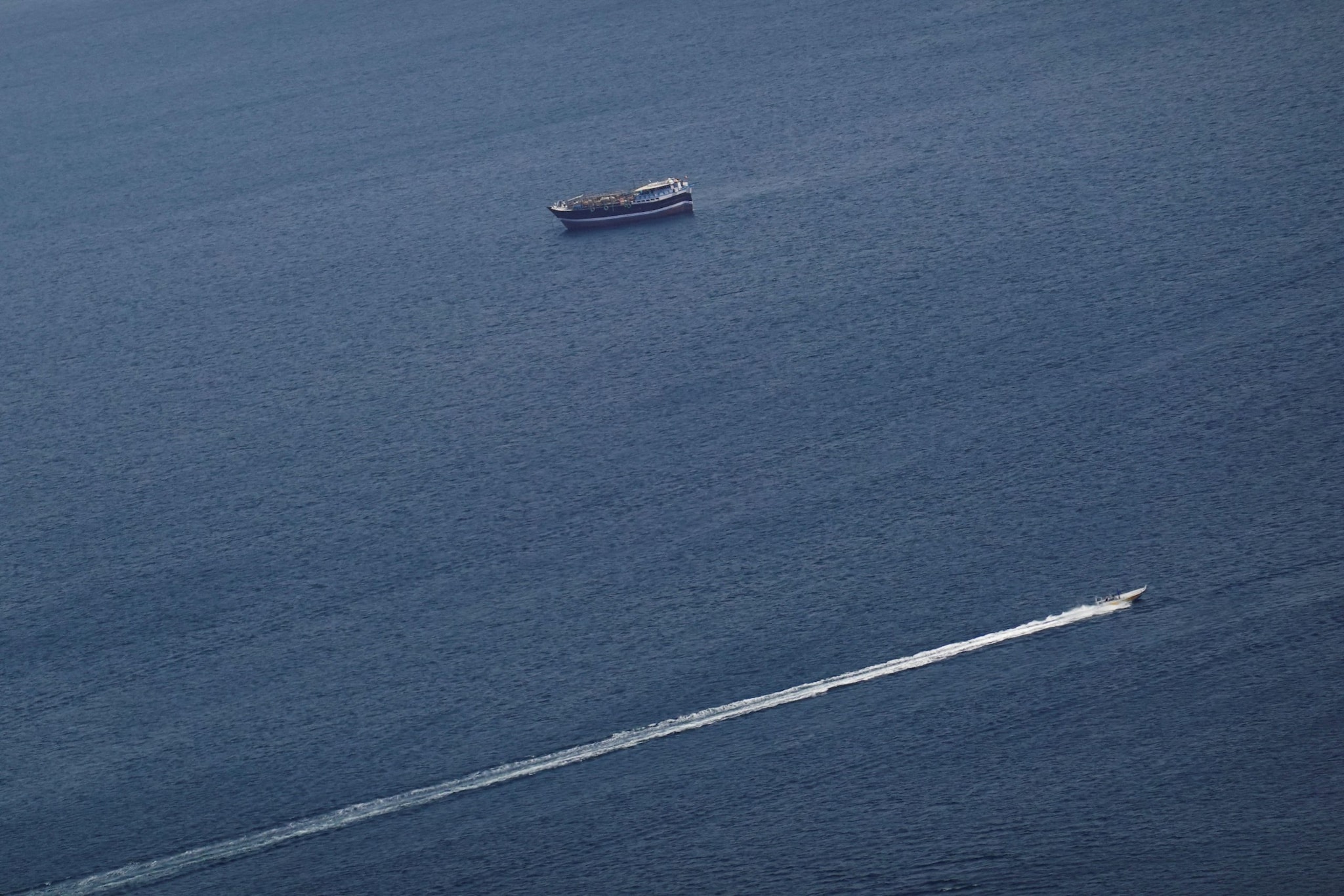
The Strait is a narrow choke point, a thin ribbon of blue water through which twenty percent of the world’s oil flows every single day. If you have ever pumped gas into a car in London, or watched a delivery truck navigate a street in Chicago, you are tethered to that water. To block it is to put a tourniquet on the throat of global commerce. To threaten the power plants that keep Iran’s cities breathing is the counter-move. It is the promise of a dark, silent interior in exchange for a blocked exterior.
The Geography of a Choke Point
Look at a map and you will see a tiny gap between the Persian Gulf and the Gulf of Oman. At its narrowest, the Strait of Hormuz is only about 21 miles wide. Imagine a highway where every fifth car is carrying the lifeblood of the world’s machinery. Now imagine someone threatens to park a line of tanks across that highway.
For decades, this strip of water has been the ultimate leverage. The Iranian leadership knows that even the rumor of a blockade sends oil prices screaming toward the ceiling. It is a psychological weapon as much as a naval one. But weapons have two edges. By signaling that the U.S. would target Iran’s domestic electrical infrastructure, the administration is shifting the stakes from the global to the personal.
The electrical grid is a delicate, interconnected web. It is not a series of isolated batteries; it is a living, breathing pulse.
$$P = VI \cos \phi$$
In technical terms, the power ($P$) delivered to a city depends on the voltage ($V$), the current ($I$), and the phase difference. When a strike hits a major generation hub, the balance of the entire national grid can collapse in seconds. This isn't just about one city going dark. It is about a cascading failure where the frequency drops, the safety breakers trip, and an entire nation is plunged into a pre-industrial reality.
The Invisible Stakes of a Cold House
We often think of war in terms of explosions and front lines. We forget the mother trying to keep insulin cold in a world without a functioning refrigerator. We forget the student trying to study by candlelight for an exam that might never happen because the internet servers have gone black.
If the Strait of Hormuz is blocked, the world feels the pinch at the gas pump. It is an economic sting. If the power plants are hit, the Iranian people feel the sting in their very survival. This is the brutal logic of deterrence. It is an attempt to make the cost of a blockade so high that the hand on the lever hesitates.
But there is a secondary layer to this tension. Iran’s power grid is already under immense pressure. Even without external strikes, the country has faced rolling blackouts due to aging infrastructure and the massive energy demands of cryptocurrency mining and industrial growth. The grid is brittle. It is a glass sculpture held together with tape. To threaten it is to threaten a structure that is already trembling.
The Ripple Effect on the Water
When a tanker enters the Strait, it isn't just moving oil. It is moving the stability of nations. If that flow stops, the shockwaves hit the Tokyo Stock Exchange, the shipping docks of Rotterdam, and the heating bills of families in Maine.
The blockade of the Strait is often described as "the nuclear option" of conventional trade war. It is a move of desperation. If Iran were to lay mines or use its swarm of fast-attack boats to halt traffic, it would effectively be declaring war on the global economy. The counter-threat—targeting power plants—is a way of saying that the lights will go out at home before the world allows the oil to stop flowing abroad.
Consider the hypothetical case of a technician at the Shahid Rajaee power plant. He has spent thirty years maintaining the massive steam turbines that provide electricity to Tehran. He knows every groan of the metal, every vibration of the floor. For him, the plant isn't a military target. It is a monument to his country’s development. If a missile finds its way to his control room, the destruction isn't just tactical. It is a blow to the dignity of a people who have spent decades trying to build a modern state under the weight of endless sanctions.
The Mechanics of Darkness
How does a power plant actually die? It isn't always a massive fireball. Sometimes it is the surgical destruction of the switchyard—the place where electricity is stepped up to high voltages for long-distance travel. Without the switchyard, the plant is like a heart pumping blood into a severed artery. The energy has nowhere to go. The turbines must be spun down immediately or they will tear themselves apart from the excess heat and pressure.
$$E = \frac{1}{2} I \omega^2$$
The rotational kinetic energy ($E$) of a massive turbine is staggering. If the load is suddenly dropped because the grid is severed, that energy has to be dissipated. If the control systems fail, the turbine can "run away," spinning faster and faster until the centrifugal force turns steel blades into shrapnel. A single strike can turn a billion-dollar asset into a graveyard of twisted metal in less than a minute.
This is the "power" in power plant strikes. It is the ability to delete the modernization of a city with the press of a button.
The Human Cost of Strategic Silence
There is a silence that follows a blackout. It is different from the quiet of a rural night. It is a heavy, artificial silence. The hum of the world has been surgically removed. In this silence, fear grows. People wonder how long the water in the roof tank will last. They wonder if the phones will still work when the cell tower batteries die in four hours.
This is the emotional core of the threat. It is designed to create a domestic pressure that outweighs the strategic desire to block the Strait. It forces a leadership to choose between their pride on the international stage and the basic survival of their citizens at home.
The rhetoric is loud. The tweets are aggressive. The headlines are bold. But underneath the noise, there are millions of people just trying to keep the lights on. They are caught between the tectonic plates of two powers that seem more interested in the map than the people living on it.
The Strait of Hormuz remains a precarious gateway. It is a place where the world’s hunger for energy meets a nation’s hunger for relevance. And as long as that water remains a flashpoint, the flickers in the Iranian grid will feel like more than just a technical glitch. They will feel like a countdown.
In the end, a nation is not defined by its ability to block a sea, nor by its ability to destroy a turbine. It is defined by the safety of the child sleeping in a room kept cool by a fan, and the security of a world that doesn't have to worry if the next morning will bring a global collapse. The tragedy of modern statecraft is how often we use the former to gamble with the latter.
The sun sets over the Persian Gulf, casting long, golden shadows over the tankers and the warships alike. For now, the oil flows. For now, the lights in Tehran remain on. But the shadow of the threat stays, a dark cloud on a clear horizon, reminding everyone that in the high-stakes game of global energy, the first thing to disappear is usually the peace of the ordinary person.