In the Kolar district of Karnataka, there is a silence that feels heavy, almost physical. It is the kind of quiet that follows a funeral. Decades ago, this land thrummed with the mechanical heartbeat of the Kolar Gold Fields, once the deepest mines in the world. Today, the shafts are flooded, the machinery is rusted into orange skeletons, and the workers who once hauled fortune from the dark are mostly gone.
Yet, under the feet of the villagers still living in the shadow of the slag heaps, the gold is still there.
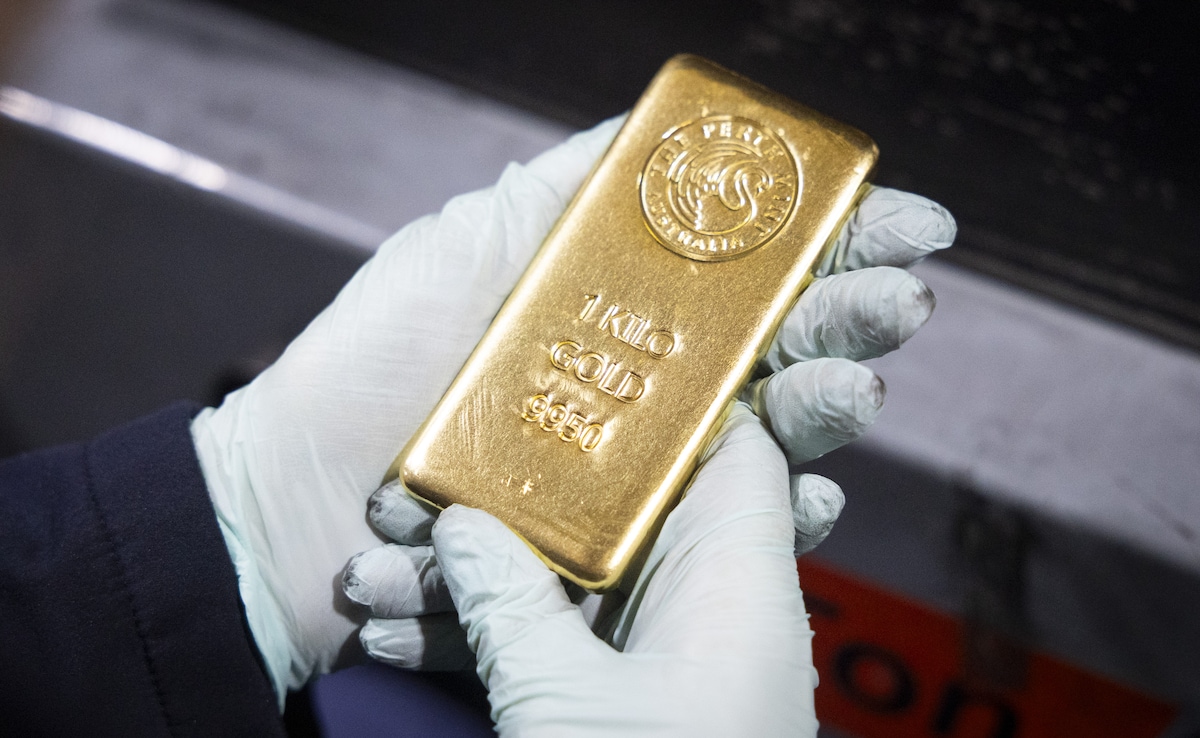
India is a nation obsessed with the yellow metal. We wear it as a mark of status, we gift it at every wedding to secure a daughter’s future, and we store it in temple vaults until the floors groan under the weight. We are the world’s largest consumer of gold, swallowing roughly 25% of the global supply every year. But here is the absurdity: we import nearly all of it. We spend tens of billions of dollars in foreign exchange to bring in what is already sitting, silent and untouchable, beneath our own geological crust.
Estimates suggest India sits on roughly 500 million tons of gold ore. If we could reach it, the economic gravity of the subcontinent would shift overnight. Why, then, do we leave it in the dark?
The Anatomy of a Locked Vault
Imagine a man named Arjun. He lives in a small house near an abandoned mine. He knows that if he digs deep enough in his own backyard, he might find a vein of quartz streaked with the color of the sun. But Arjun doesn’t dig. He can't. He lacks the drill that can pierce two kilometers of rock. He lacks the chemicals to leach the microscopic flakes from the stone. Most importantly, he lacks a piece of paper from the government that says he’s allowed to try.
Arjun’s predicament is India’s predicament. The gold we have left isn't the "low-hanging fruit" of the Victorian era. The easy nuggets are gone. What remains is "invisible gold"—low-grade ore where you might have to crush an entire ton of rock just to extract two or three grams of metal. To make that profitable, you need massive scale, staggering investment, and technology that can operate at extreme temperatures and pressures.
But the Indian mining sector has been paralyzed by a peculiar kind of institutional fear. For years, the process of getting a mining lease was a labyrinth of red tape that could swallow a decade of a company’s life. If an international firm wanted to bring in the billion-dollar equipment needed to revive a site like Kolar or explore the Hutti belt, they were met with a shifting goalpost of regulations.
The state often treated mining as a "loot" to be guarded rather than an industry to be built. We fell into a trap of thinking that by making it difficult for private companies to mine, we were protecting national resources. In reality, we were just ensuring those resources remained useless. A ton of gold in the ground is worth exactly zero rupees. It only acquires value when it reaches the surface.
The High Price of Hesitation
While we hesitated, the world changed. Our neighbors and peers in the "Global South" looked at their geological maps and saw a ladder to prosperity. China, which once trailed behind, transformed itself into the world’s leading gold producer by opening its doors to modern exploration and processing. Australia and Canada turned mining into a high-tech, high-wage pillar of their economies.
India stayed in the dark.
Every year we don't mine, the "Current Account Deficit" grows. That sounds like a dry term from a textbook, but it has teeth. It means the rupee weakens. It means the fuel you put in your scooter costs more because we have to pay for oil in dollars. It means the inflation that eats your savings is partly driven by our refusal to dig. We are like a family starving in a mansion because they refuse to sell the antique silver locked in the basement.
The human cost is even more poignant. When the Kolar mines shut down in 2001, an entire ecosystem of skill and pride evaporated. Thousands of miners, men who knew the temperamental moods of the earth, were left to rot. Their children moved to Bangalore to drive delivery bikes or work in call centers. We didn't just lose the gold; we lost the generational knowledge of how to find it.
The New Gold Rush is Digital and Green
There is a common misconception that mining is a sunset industry—a dirty, 19th-century relic. This is a dangerous lie. In the 21st century, gold is no longer just for jewelry. It is a critical component in the circuitry of our smartphones, the sensors in our electric vehicles, and the sophisticated medical equipment in our hospitals.
Moreover, the technology required to mine sustainably has undergone a revolution. We are no longer talking about the scarred landscapes of the past. Modern "green mining" uses closed-loop water systems and automated electric drills that reduce the carbon footprint of the extraction process.
But to get there, we have to change how we think about the Earth. We have to view mining not as an extraction of wealth, but as an investment in infrastructure. The recent amendments to the Mines and Minerals (Development and Regulation) Act were a start. They moved toward an auction-based system, trying to strip away the cronyism of the past. But an auction is only as good as the bidders. If the risks—environmental clearances, land acquisition, and tax stability—remain too high, the big players will keep their capital in Perth or Nevada.
The Ghost in the Machine
The real barrier isn't the rock. Quartz is hard, but it’s predictable. The real barrier is the ghost of the "License Raj." It’s the lingering suspicion that if a private company makes a profit from Indian soil, the public is being cheated.
We need to flip the narrative. The public is being cheated right now. Every time an Indian laborer buys a gold coin for his daughter's wedding, he is paying a premium that goes into the pockets of miners in South Africa or refineries in Switzerland. He is paying for the logistics of a global supply chain because his own government hasn't made it viable to process the ore ten miles from his village.
Consider the hypothetical case of a junior exploration company—let's call them "Bharat Ores." They spend five years and fifty crore rupees on geological surveys. They find a viable deposit. Under the old rules, they might have had their license revoked or caught in a court battle for another decade. Under a truly modernized system, they would be incentivized to build a refinery nearby, creating jobs for geologists, chemists, truck drivers, and engineers.
This is the "multiplier effect." Mining doesn't just create gold; it creates an industrial base. It builds roads where there were tracks and schools where there were ruins.
The Weight of the Future
There is a window of opportunity that is slowly closing. As the world moves toward more synthetic stores of value and as environmental regulations become even more stringent, the cost of starting a new mining operation will only climb. If we don't act now, that 500 million tons of ore will stay in the ground forever, a literal "dead weight" on our national balance sheet.
We stand at a crossroads. We can continue to be the world's most enthusiastic consumer, a nation that sends its hard-earned wealth abroad in exchange for shiny bars. Or we can become a producer. We can reclaim the legacy of places like Kolar, not by looking backward with nostalgia, but by looking forward with technology and clear-eyed policy.
The gold is there. It doesn't care about our politics. It doesn't care about our bureaucracy. It is indifferent to the poverty above it or the dreams of the people walking over it. It sits in the dark, waiting for a nation with the courage to claim its own inheritance.
The silence in the Kolar district doesn't have to be a funeral. It could be the quiet before the engines start again.