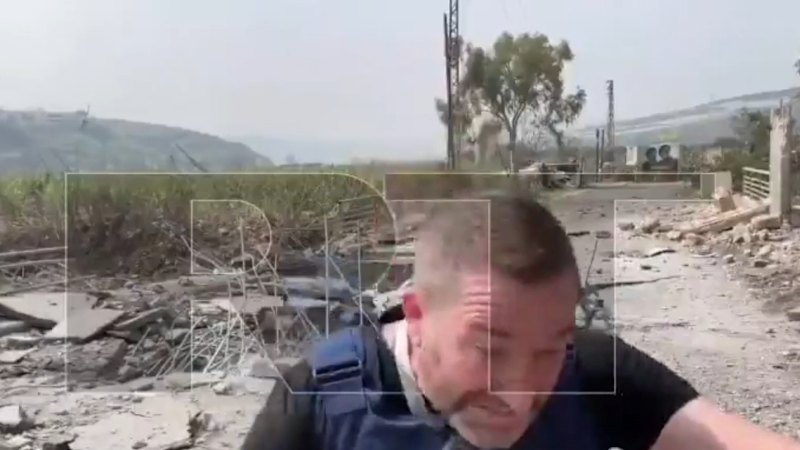
Eid al-Fitr usually arrives in Lebanon with the scent of orange blossom water and the frantic clatter of commerce. This year, the silence is heavier than the celebration. As the lunar month of Ramadan draws to a close, the traditional preparations for the feast have been replaced by a grim accounting of survival. In the south, Israeli shelling has turned olive groves into charred skeletal remains. In Beirut, the crushing weight of a multi-year economic collapse has finally stripped away the last veneers of middle-class stability. This is not just a holiday marred by conflict; it is the visual evidence of a nation being hollowed out from the inside.
The primary crisis facing Lebanon this Eid is the total evaporation of purchasing power coupled with the constant threat of a full-scale war. For the 90,000 people displaced from the border regions, the concept of a "home-cooked" feast is a cruel joke. For those remaining in the cities, the hyper-inflated cost of basic ingredients like sugar, flour, and ghee means that the traditional Maamoul cookies—once a staple of every household—have become a luxury item reserved for the elite.
The Economic Frontline in the Aisles
Step into a supermarket in Hamra or Achrafieh and you will see the "look." It is a specific, darting gaze shoppers use to compare the price of a single bag of rice across three different brands, their fingers performing mental gymnastics to convert stabilized dollar prices back into the volatile Lebanese Lira. The economy has been "dollarized," a move intended to bring stability but one that has effectively bifurcated society.
If you earn in "fresh" dollars—the term used for currency wired from abroad or paid by international NGOs—you can afford the holiday. If you earn in Lira, as the vast majority of public sector workers and teachers do, your monthly salary might not cover the cost of a single family dinner at a modest restaurant.
This isn't a recession. It is an erasure.
Small business owners who once relied on the Eid rush are seeing foot traffic plummet by sixty percent compared to previous years. The clothing shops in Tripoli’s old souks, usually teeming with parents buying new outfits for their children, are quiet. Retailers report that customers are no longer asking for quality; they are asking for the absolute cheapest synthetic fabrics available, or they are turning to the burgeoning second-hand markets that have sprung up in the shadows of shuttered boutiques.
The Geography of Displacement
While the economic rot is national, the physical terror is concentrated. The border villages of Dhayra, Alma al-Shaab, and Houla are ghost towns. The families who fled these areas are now squeezed into overcrowded apartments in the suburbs of Beirut or languishing in makeshift shelters in Tyre.
For these displaced citizens, Eid is a reminder of what they have lost. They aren't just missing a holiday; they are missing their livelihoods. The tobacco fields and olive presses of the south are the backbone of the local economy. With those fields now inaccessible or contaminated by white phosphorus, the financial impact of this "small" war will be felt for decades.
The Agriculture Void
- Olive Production: South Lebanon accounts for nearly one-third of the country's olive oil. The timing of the conflict has disrupted the harvest and maintenance cycles.
- Tobacco Farming: This is a state-subsidized crop that provides a lifeline for thousands of families. Without the ability to plant or harvest, these families are entering the holiday with zero liquidity.
- Livestock: Tens of thousands of head of poultry and cattle have been killed or abandoned, driving up the price of meat during a time of peak demand.
The government’s response has been characteristically anemic. There is no comprehensive compensation plan for the displaced, and the "emergency" social safety nets are largely funded by international donors rather than the Lebanese state treasury. This leaves the burden of the holiday on the diaspora.
The Remittance Lifeline
Lebanon is currently a country running on the adrenaline of its expatriates. Estimates suggest that remittances now account for nearly 40 percent of the GDP. Without the wire transfers from sons in Dubai and daughters in Montreal, the country would quite literally starve.
However, relying on remittances creates a dangerous social imbalance. It creates a "two-tier" Lebanon. In one tier, you have families eating at high-end seaside resorts, shielded by the relative safety of the north and the strength of foreign currency. In the second tier, you have families skipping meals to ensure their children have shoes for the first day of Eid.
This disparity is fueling a sense of resentment that transcends sectarian lines. The anger isn't just directed at the external enemy or the banking elites; it is directed at the very unfairness of survival.
The Psychology of a Stolen Celebration
There is a specific type of fatigue that sets in when a population is asked to be "resilient" for five years straight. Since the 2019 financial collapse and the 2020 Beirut port explosion, the Lebanese people have been told they are the masters of making do. But resilience has a breaking point.
Psychologists working with displaced populations in Sidon note a marked increase in "anticipatory grief." People are mourning the loss of their homes and their traditions before they have even been fully taken. The joy of Eid is predicated on a sense of peace and a hope for the future. When the sky is filled with the hum of reconnaissance drones and the evening news is a tally of destroyed homes, "joy" feels like an act of defiance that many are too tired to perform.
The Logistics of Scarcity
Even the simple act of visiting relatives—a core tenet of Eid—is now a logistical nightmare. The price of gasoline is pegged to the global market and the black market dollar rate. A trip from Beirut to the Bekaa Valley now costs a significant portion of a minimum-wage salary.
Public transport is erratic and private taxis are out of reach for many. Consequently, the social fabric is fraying. Families are celebrating in isolation, connected only by WhatsApp calls that are frequently dropped due to the country’s crumbling telecommunications infrastructure and rolling blackouts.
The state-run power company, Electricité du Liban, provides at best a few hours of electricity per day. This means that any food prepared for the feast must be consumed immediately; there is no guarantee the refrigerator will stay cold through the night. The hum of private generators is the soundtrack of the holiday, a constant reminder that the state has abdicated its most basic responsibilities.
The Breakdown of Basic Services
- Water Scarcity: Pumping stations require fuel and electricity, both of which are in short supply. Many neighborhoods are forced to buy trucked water at exorbitant rates.
- Waste Management: In several municipalities, trash collection has slowed as budgets vanish, leading to piles of refuse in the streets during the hottest part of the year.
- Healthcare: Hospitals are facing a brain drain of their best doctors and a shortage of basic medications, making the stress-induced ailments of the population even harder to treat.
The Commercial Mirage
Despite the gloom, the malls in certain parts of Beirut remain open. They are brightly lit and decorated with crescent moons and stars. But look closer at the people inside. Many are there for the air conditioning or the sense of normalcy, not to shop. The "luxury" of Lebanon has become a facade.
High-end retailers are catering to a vanishingly small sliver of the population. The "Middle Class," which once drove the Lebanese economy through its appetite for travel, education, and hospitality, has been systematically liquidated. Those who could leave, have. Those who stayed are watching their savings evaporate in "Lollar" accounts—dollars that exist on bank statements but cannot be withdrawn in cash.
Looking for the Exit
The real story of this Eid is not the war in the south, nor is it the price of sweets. It is the realization that the old Lebanon—the "Switzerland of the Middle East"—is not coming back. The structures that allowed for a vibrant, multi-faith celebration of holidays have been dismantled by decades of corruption and a paralyzing political stalemate.
The political class continues to bicker over the presidency while the borders are redrawn by fire. There is no grand strategy for recovery. There is only the daily hustle. For the father in a displacement camp who manages to buy his daughter a small toy, Eid is a victory of the spirit. But it is a victory that shouldn't be so hard to achieve.
The streets will be somewhat festive because they have to be. The Lebanese have a habit of decorating their own ruins. But beneath the surface, the holiday is a ledger of what has been stolen. The displacement is not just of people moving from south to north; it is the displacement of an entire culture from its foundations.
Ask any shopkeeper in the Burj Hammoud district about the holiday and they will give you a wry smile. They will tell you that they are open, that they are waiting, and that they have hope. But when they think you aren't looking, they go back to checking the dollar rate on their phones.
The feast is coming, but the table is smaller than it has ever been. The lights are dim, the guests are missing, and the host is broke. Every Maamoul cookie eaten this year carries the bitter aftertaste of a country that is being forced to choose between its traditions and its survival.
Go to the nearest exchange house on the day before the holiday. Watch the queues. That is where the real story of Lebanon's Eid is written, in the desperate clutching of small bills and the tired eyes of a people who have forgotten what it feels like to not be afraid.