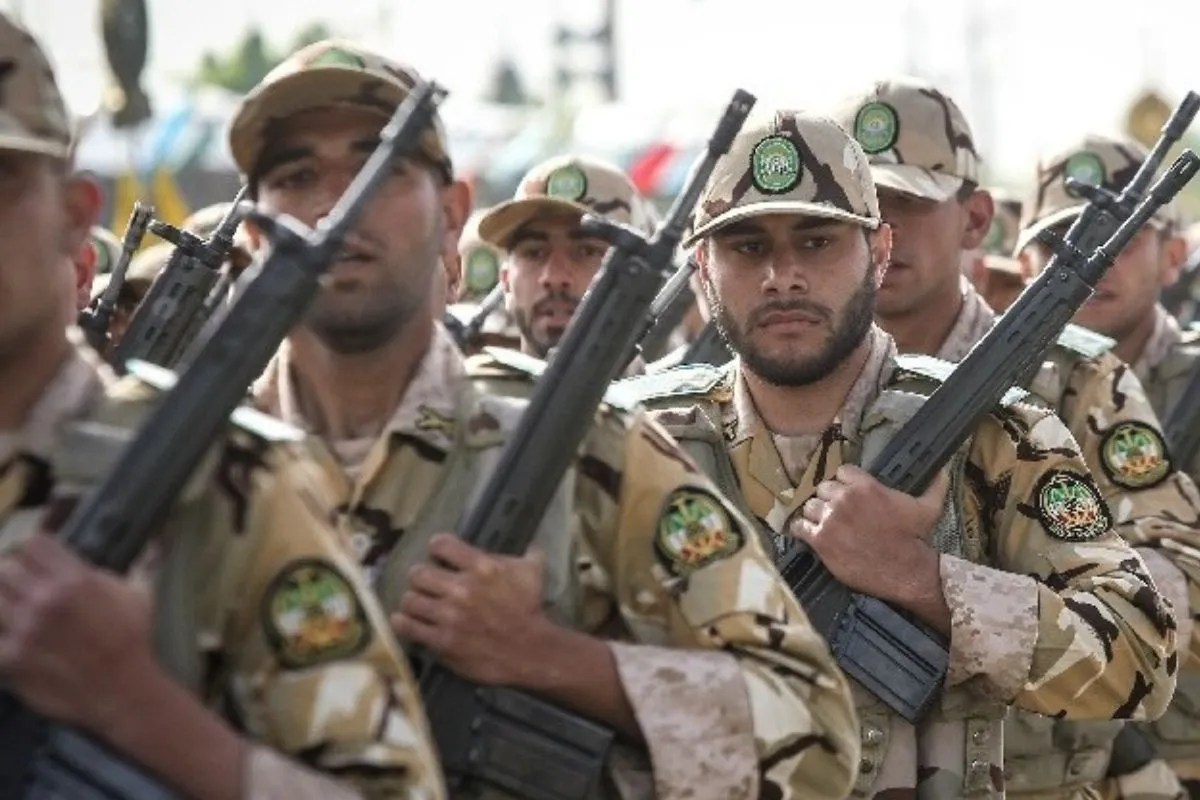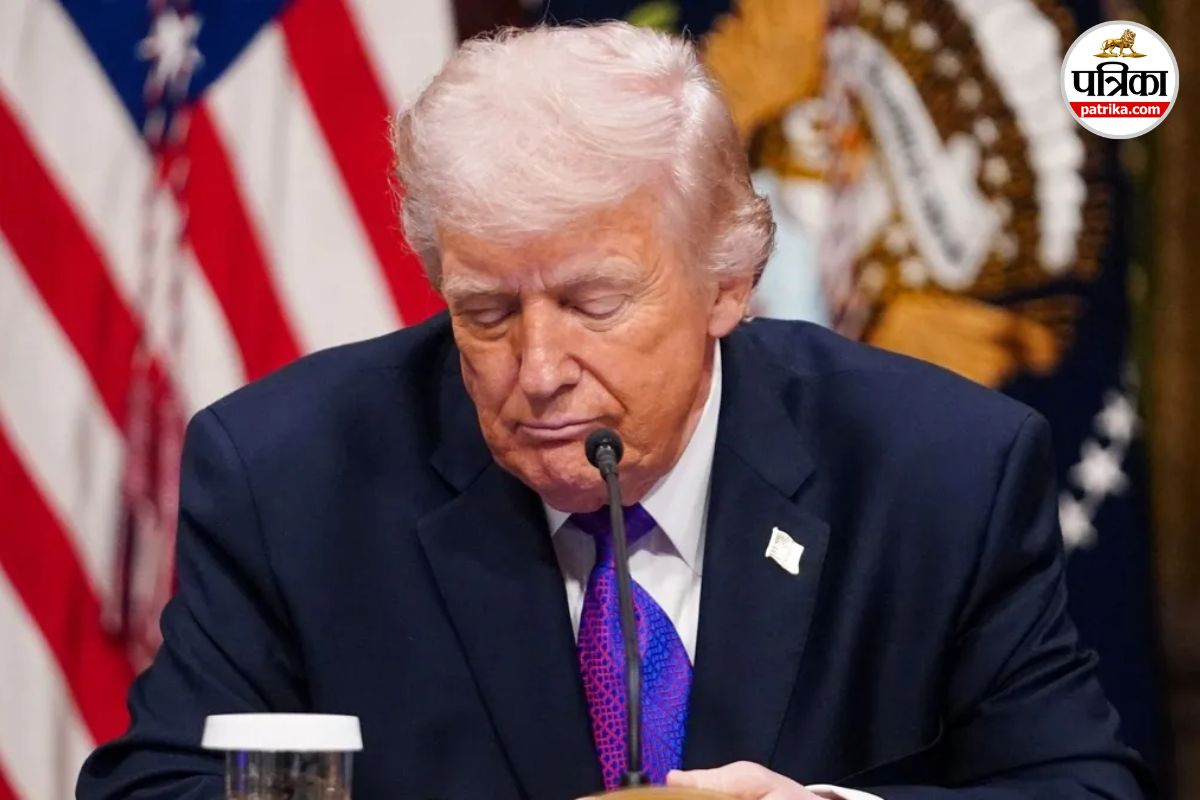
Geopolitics is currently addicted to the "Suez Narrative." You have seen the headlines. Pundits love to draw a straight line from the 1956 British humiliation in Egypt to a hypothetical American collapse in the Straits of Hormuz. They argue that a conflict with Iran would be the final nail in the coffin of American hegemony, a "Suez moment" that exposes the United States as a paper tiger.
They are wrong. They are not just slightly off; they are fundamentally misreading the mechanics of global power, energy markets, and naval architecture.
The Suez Crisis was a story of a dying empire being told "no" by its own banker. The United States is the banker. Comparing the two isn't just historical malpractice; it’s a failure to understand how the world actually functions in 2026. If a shooting war starts in the Persian Gulf, the result won't be the end of the American era. It will be the brutal, messy reassertion of it.
The Suez Comparison is Lazy Intellectual Shorthand
In 1956, Britain, France, and Israel invaded Egypt to seize the Suez Canal. They failed because President Eisenhower threatened to collapse the British pound by selling off US government holdings of the currency. Britain was broke, debt-ridden, and militarily overextended. It was a financial execution disguised as a diplomatic spat.
The United States today bears zero resemblance to 1950s Britain. The US dollar remains the undisputed global reserve currency, backed by the most liquid capital markets on earth. More importantly, the US is now a net exporter of energy.
When people talk about the "Suez moment" in Hormuz, they ignore the math. In 1956, the UK depended on the canal for its very survival. Today, while a closure of the Straits would cause a global price spike, the US is the best-positioned major economy to weather that storm. The parties most damaged by a Hormuz closure aren't in Washington. They are in Beijing, New Delhi, and Tokyo.
The Tanker War Fallacy
The "consensus" view is that Iran can "close" the Straits of Hormuz. This is a myth.
I’ve spent years looking at maritime insurance data and naval transit patterns. You don't "close" a 21-mile wide waterway with a few mines and some speedboats. You make it expensive. You make it risky. But you do not stop the flow of physics.
During the "Tanker War" of the 1980s, over 400 ships were attacked. Global oil prices actually dropped during much of that period. Why? Because the world oversupplied the market to compensate for the risk.
If Iran attempts to block the Straits, they aren't just fighting the US Navy. They are declaring war on the physical reality of the global economy. The US doesn't need to "win" a traditional war to maintain its status; it simply needs to be the last man standing in a high-interest-rate, high-energy-cost environment.
The Logistics of the "Paper Tiger" Argument
Critics point to the Millennium Challenge 2002 wargame, where a "red" force used asymmetric tactics to sink a US carrier fleet. They use this twenty-year-old exercise to claim the US Navy is obsolete.
Here is what they miss: Wargames are designed to fail. We stress-test systems to find the breaking point. Since 2002, the shift toward Distributed Maritime Operations (DMO) has fundamentally changed the calculus. We aren't just parking a carrier in a bathtub anymore.
The US military's greatest strength isn't its "invincible" ships; it is its ability to absorb losses and keep functioning. No other nation possesses the logistical depth to fight a high-intensity naval war ten thousand miles from its shores. Iran has "home field advantage," but home field advantage doesn't matter when your entire economy depends on the very waterway you are trying to destroy.
China is the Real Victim of a Hormuz Conflict
If you want to see who faces a Suez moment, look at China.
The "decline of empire" crowd forgets that the US Navy currently provides a free security service for Chinese oil imports. Roughly 80% of China’s oil imports pass through the Indian Ocean and the Malacca Straits. A massive disruption in Hormuz would force China to do one of two things:
- Stay out of it and watch its economy starve as oil hits $200 a barrel.
- Intervene and realize it lacks the blue-water capability to secure its own supply lines.
That is a true crisis of sovereignty. The US can survive on Permian Basin crude and Canadian imports. China cannot survive on hope and coal.
The Brutal Logic of Hegemony
The Suez Crisis happened because the world moved from a multipolar imperial system to a bipolar Cold War system. We are not moving back to 1956. We are moving into a period where the US is decoupled from the chaos it used to manage.
For decades, the US acted as the guarantor of global stability because it needed the world to be stable to prosper. That era is over. The US is increasingly insulated. A fire in the Persian Gulf is no longer an existential threat to the American middle class; it is a tragic news segment that happens while they fill their cars with domestic gasoline.
The "Imperial Decline" narrative is a comfort blanket for people who want the world to be more predictable than it is. They want there to be a clear "end date" to American power.
Stop Asking if the US is Declining
The question isn't whether the US is losing its grip. The question is: who is actually ready to grab the handle?
Europe is an aging museum. Russia is a gas station with nukes. China is facing a demographic collapse that makes Japan look vibrant.
If a war starts in Hormuz, it won't be a Suez moment. It will be a demonstration of the "Ugly Hegemon" theory. The US will likely take a "containment" approach, letting the regional players burn through their assets while protecting only what it absolutely must. It will be messy. It will be violent. And when the smoke clears, the US dollar will still be the only game in town because everyone else will be too broke to build an alternative.
The Suez Crisis was about the end of an old world. A Hormuz conflict would be about the birth of a much harsher, more transactional one. In that world, the guy with the biggest navy and the most domestic energy doesn't lose. He just raises the rent.
Liquidate your delusions about historical rhymes. History doesn't repeat; it just finds new ways to punish the unprepared.
Buy the dip in domestic energy and stop worrying about the ghost of 1956.