War is rarely the cinematic explosion we are sold in history books. It is a slow, grinding erosion of the mundane. In Tehran, the threat of escalation has transformed the city’s concrete landscape into a psychological pressure cooker. While global headlines focus on missile trajectories and diplomatic brinkmanship, the actual reality for those on the ground is a frantic, quiet scramble for survival. Residents find themselves displaced within their own neighborhoods, navigating a capital that feels increasingly like a target rather than a home. This is the exhaustion of living in a state of permanent "almost" war.
The atmosphere in the northern districts, usually bustling with the arrogance of wealth and commerce, has curdled. It is a strange, quiet panic. People aren’t just stocking up on rice and dry goods anymore; they are mapping out basement clearances and checking the structural integrity of parking garages. The displacement is not always physical—though many have fled to the peripheries—it is largely mental. You become a refugee when the street you’ve walked for twenty years suddenly feels like a kill zone.
The Architecture of Anxiety
Tehran was never built for modern aerial warfare. The city is a sprawling, chaotic organism of narrow alleys and density that defies logic. When the sirens go off, or even when the rumor of a siren begins to circulate on Telegram channels, the logistical impossibility of safety becomes clear. Most apartment blocks, built during various construction booms with questionable oversight, offer little more than a "duck and cover" illusion.
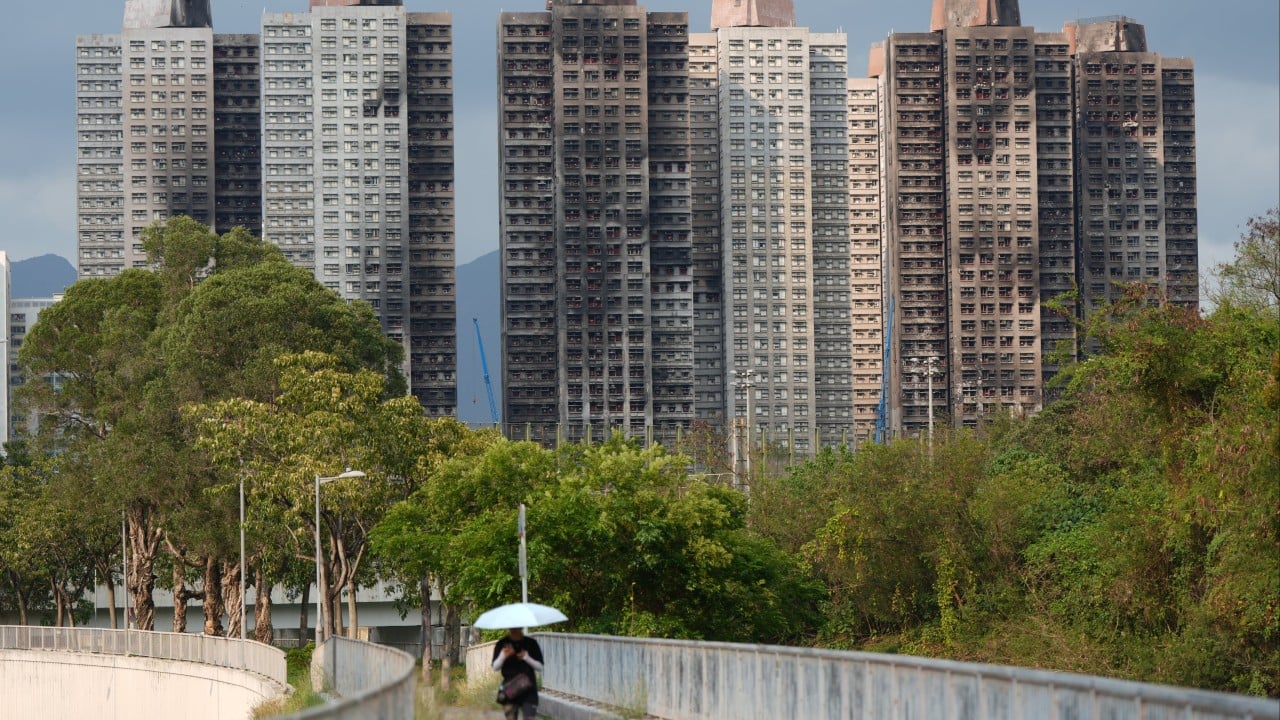
This isn't just about the physical structures. It’s about the collapse of the social contract. When a government’s foreign policy places a civilian population in the crosshairs of advanced ballistics, the internal bond breaks. Residents are left to their own devices, creating makeshift shelters in subterranean storage units. There is a specific kind of bitterness that takes root when you realize your luxury high-rise is essentially a glass-and-steel trap.
The Survivalist Economy
In the shadows of this tension, a new economy has emerged. It’s a market driven by fear. Prices for portable power stations, high-end water filtration systems, and even basic medical kits have skyrocketed. This isn't the inflation of a struggling currency; it’s a "war tax" levied by opportunistic retailers on a terrified public.
For the middle class, the goal is "prepping" with a veneer of normalcy. They buy the best gear, hoping that being the most prepared person on the block will somehow grant them immunity. For the working class in the southern reaches of the city, there is no such luxury. Their survival strategy is far more grim: staying put and hoping the wind blows the other way. The disparity in how people prepare for a potential strike reveals the deep-seated class fractures that have always defined Tehran but are now laid bare by the threat of fire.
The Psychological Toll of the Near-Miss
Living under the constant threat of bombardment does something specific to the human brain. It creates a state of hyper-vigilance that is unsustainable. Every low-flying plane or sudden thunderclap triggers a physical reaction. This is the "refugee" experience within the city—the loss of the feeling of sanctuary. Your bedroom is no longer a place of rest; it is a room with a window that might shatter.
The presence of pets in this equation adds a layer of desperate humanity. For many, a cat or a dog is the final anchor to a world that made sense. In the frantic moments of a drill or a real alert, the struggle to secure a terrified animal into a carrier becomes a microcosm of the larger chaos. It’s a refusal to leave behind the only thing that doesn’t understand why the sky is falling. It is a heartbreaking, irrational commitment to another life when your own feels incredibly cheap.
The Failure of Urban Defense
We have to look at the "how" of this failure. Tehran’s civil defense infrastructure is a relic. While the state invests billions in offensive capabilities and hardened underground silos for its military assets, the "passive defense" for its citizens is largely rhetorical. There are signs pointing to shelters that haven't been maintained since the 1980s. Some are locked; others have been converted into commercial storage.
This neglect is a choice. By failing to provide credible, accessible safety for the general population, the state essentially uses the civilian body as a buffer. It’s a grim calculation where the cost of genuine civil defense is deemed too high compared to the political utility of a population that has nowhere to go.
Information Warfare at Home
The fog of war starts long before the first strike. In Tehran, the battle is for the narrative. State-controlled media oscillates between projecting an image of invincible strength and ignoring the panic entirely. This creates an information vacuum that is filled by the worst kind of speculation.
When people cannot trust the sirens or the news, they trust the person next to them in the grocery line. Rumors of fuel shortages or imminent strikes travel faster than any official bulletin. This constant state of misinformation is a form of psychological attrition. It wears down the resolve of the city, making the eventual reality—whatever it may be—almost a relief compared to the agony of the wait.
The Peripheral Flight
While some hunker down, those with the means are looking toward the Caspian coast or the rural east. This isn't a vacation; it’s a frantic search for a zip code that doesn't host a sensitive government facility. The roads out of the city during peak tension periods look like a slow-motion evacuation.
This internal migration creates its own set of problems. Small towns are suddenly overwhelmed by city dwellers bringing their anxieties and their demands. The local infrastructure in these "safe" zones isn't built for a sudden influx of thousands. It creates a friction between the urban "refugee" and the rural host, a tension that simmers just below the surface of Iranian hospitality.
Beyond the Headlines
To understand Tehran right now, you have to look past the political posturing. You have to look at the woman sitting in her kitchen with her cat, listening to the hum of the city and wondering if that hum will suddenly change pitch. You have to look at the father who spends his weekend reinforcing a basement door with plywood and hope.
The story of a city under threat is not just a story of missiles and defense systems. It is the story of the quiet, agonizing transformation of a home into a cage. The tragedy isn't just in the potential for destruction; it's in the way the threat of that destruction robs people of their present. They are mourning a city that is still standing, living as ghosts in their own hallways, waiting for a signal that may never come, or may come too late.
The reality of being a refugee in your own city is the ultimate loss of agency. You are at the mercy of decisions made in rooms you will never enter, by people who do not know your name. All you have is the weight of your choices—which bag to pack, which door to lock, and how to keep a small, furry heart beating calmly while your own is racing.
Take the stairs, leave the elevators, and don't look back at the windows.