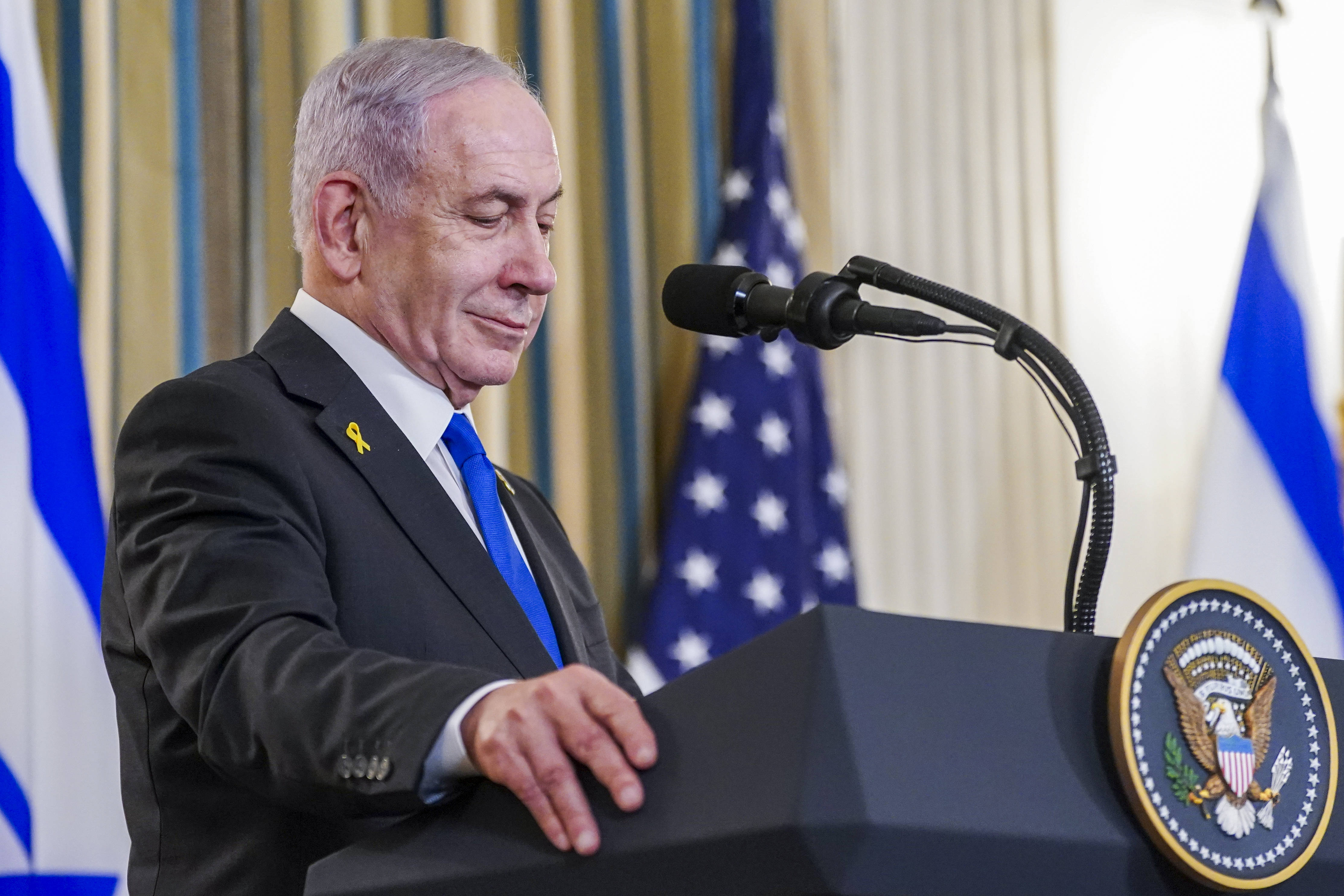
Benjamin Netanyahu is currently staring down a March 31 deadline that could end his latest stint as Prime Minister. In Israel, if you don't pass a budget, the government dissolves. It's that simple. Usually, a major military conflict provides a "rally 'round the flag" effect that boosts a leader's numbers, but the 2026 war with Iran is proving to be a weird exception to that rule.
Despite the high-profile assassination of Supreme Leader Ayatollah Ali Khamenei and a series of crushing blows to Tehran’s military infrastructure, the Israeli public isn't exactly rushing to hand Netanyahu a mandate for four more years. He’s essentially racing against a clock that’s ticking toward a snap election he might not win. Discover more on a connected subject: this related article.
The Budget Deadline and the Conscription Crisis
The immediate threat isn't a missile from the East, but a spreadsheet in Jerusalem. If the 2026 state budget doesn't pass its third reading by the end of March, Israeli law automatically triggers a new election within 90 days. Netanyahu's coalition is a fragile mix of right-wing ideologues and ultra-Orthodox (Haredi) parties, and they're currently fighting over a hot-button issue: military conscription.
The Haredi parties, Shas and United Torah Judaism (UTJ), want a total exemption for their seminary students. The rest of the country, exhausted by years of reserve duty and a multi-front war, is done with that. This isn't just a political disagreement; it's a fundamental break in the social contract. If Netanyahu can't bridge this gap to pass the budget, he's looking at a June election—a date he's reportedly terrified of. More analysis by NBC News explores similar perspectives on the subject.
The Polling Disconnect
You'd think a major military success against an existential threat like Iran would be a slam dunk for any politician. The numbers tell a different story.
- Support for the War: According to the Israel Democracy Institute, public support for the military campaign against Iran sits at a staggering 94% among the Jewish public.
- Support for the Government: Despite the war’s popularity, the Netanyahu-led coalition is still polling below the magic number of 61 seats needed to form a government. Most recent polls place the Likud-led bloc at around 51 to 54 seats.
- The Opposition: Figures like Benny Gantz and Naftali Bennett (who’s currently running under a "Bennett 2026" banner) are the ones actually gaining traction. The opposition bloc is consistently hitting that 59-61 seat range, even without the support of the Arab parties.
Why the Iran War isn't Helping Netanyahu
The public's refusal to give Netanyahu a "war-time boost" comes down to a few basic factors. Honestly, people just haven't forgotten October 7. The security failure that allowed the Hamas-led attacks to happen is still a massive stain on his record. For many, no amount of success against Iran can wash that away.
There’s also a deep suspicion about his motives. A lot of Israelis believe he’s dragging out the conflict or opening new fronts just to keep his legal troubles at bay. Remember, Netanyahu is still a defendant in a long-running corruption trial involving charges of bribery, fraud, and breach of trust. As long as he's Prime Minister, he can push for a judicial pardon or delay his court appearances. If he's a private citizen, he's just another guy in a suit facing a judge.
The Trump Factor
Then you have the international angle. Netanyahu has leaned heavily on his relationship with Donald Trump, especially during this Iran campaign. While this is a huge asset for his "international statesman" image, it’s also a double-edged sword. If the war doesn't end quickly, or if the U.S. domestic mood shifts, that support could evaporate. There’s a growing "America First" sentiment that’s starting to question why the U.S. is getting so deeply involved in another Middle Eastern conflict.
A Referendum on Survival
If the snap election happens in June, it won't be about the war with Iran. It'll be a referendum on the legacy of October 7 and the future of the Israeli social contract. The opposition's strategy is clear: keep the focus on the failure that started it all and the government’s refusal to hold an independent commission of inquiry.
Netanyahu is basically trying to run a campaign based on "Look what I did to Iran," but the public is more interested in "Why didn't you stop Hamas?" It’s a classic case of a leader trying to change the subject, and the voters refusing to let him.
The next few days will be critical. If the budget passes, Netanyahu buys himself a few more months to try and rebuild his popularity before the scheduled October 2026 elections. If it doesn't, we're all going to the polls in the middle of a war, and the results might not be what he's hoping for.
If you want to keep a close eye on the latest polling shifts and coalition drama, the best move is to track the nightly news cycles on Israel's Channel 12 and Channel 13. They're the most reliable barometers for the country's political mood.