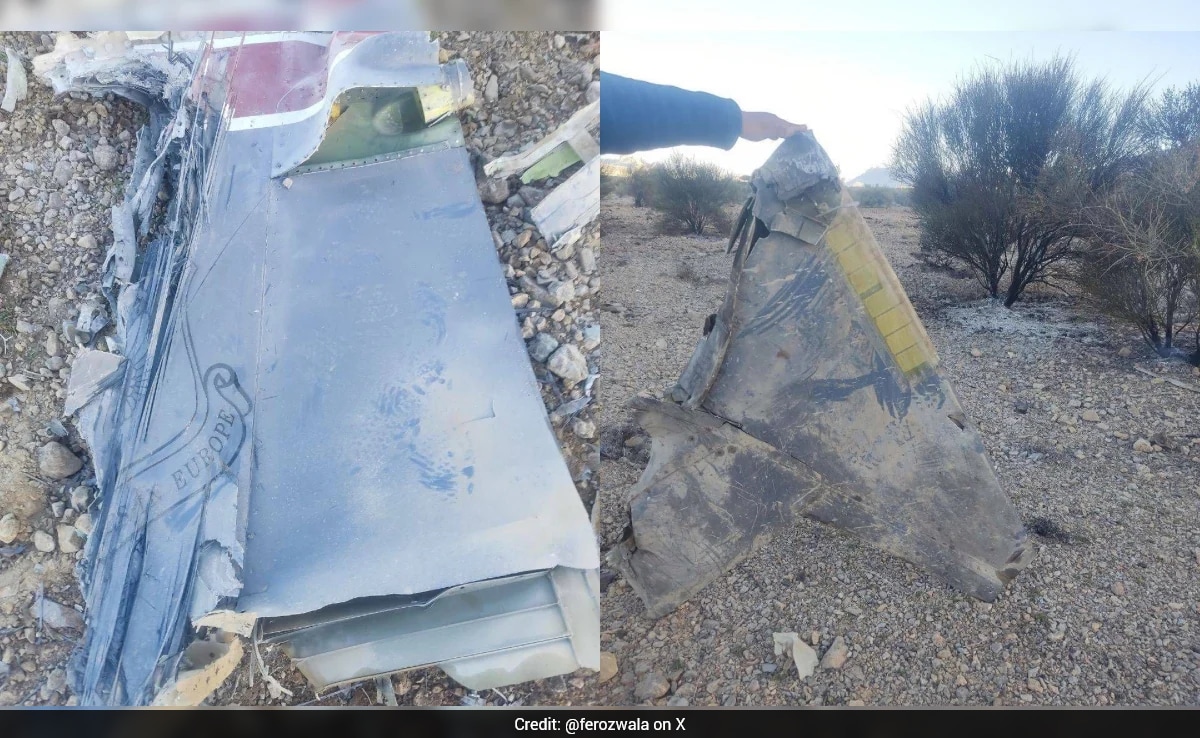
Cloud reliability isn't just about code anymore. It's about concrete and shrapnel. On March 1, 2026, the logic of modern warfare shifted when Iranian Shahed drones slammed into Amazon Web Services (AWS) facilities in the UAE and Bahrain. We've spent decades worrying about hackers in hoodies, but we didn't plan for an explosive-laden drone flying through the server room window.
This isn't just another Middle East skirmish. It's the first time a nation-state has treated commercial cloud hubs as legitimate frontline targets. Iran’s Islamic Revolutionary Guard Corps (IRGC) isn't even hiding it. They’ve basically said that if you host AI for the U.S. military, your buildings are on the hit list. This changes the math for every CTO on the planet.
The Day the Cloud Caught Fire
The strikes hit two AWS availability zones in the UAE and one in Bahrain. Usually, "availability zones" are the gold standard for uptime. If one goes down, the others pick up the slack. But when multiple zones are physically destroyed simultaneously, the redundancy fails.
Banks like Emirates NBD and apps like Careem didn't just see a glitch. They saw total blackouts. AWS confirmed the mess: structural collapses, fires, and water damage from the very systems meant to save the servers. It turns out "five nines" of uptime doesn't mean much when a kamikaze drone is involved.
Why Data Is the New Frontline
Why would Iran waste expensive drones on a bunch of server racks? Because those racks are the brain of the modern military. The U.S. and Israel have been using AI models—hosted on these very cloud platforms—to run war simulations and pick targets.
- AI as a Weapon: Systems like Anthropic’s Claude and Google’s Gemini aren't just for writing emails; they’re being used for high-speed intelligence analysis.
- Economic Pain: Hitting a data centre causes way more financial damage than hitting an oil refinery. A single facility can house billions of dollars in hardware and host trillions in economic activity.
- The Larry Ellison Factor: Iran specifically threatened Oracle, citing Chairman Larry Ellison’s ties to Israel. This isn't just about physics; it's about politics and the people behind the tech.
The Myth of Digital Safety
We've lived in this bubble where we thought the "Cloud" was some magical, ethereal place. It's not. It's a series of highly vulnerable warehouses. For years, data centre security meant biometrics, "man-traps," and fences. None of that stops a drone launched from 500 miles away.
The geostrategists at the Atlantic Council are already sounding the alarm. They’ve pointed out that we’ve built our entire global economy on "just-in-time" data delivery. We centralized everything into massive hyperscale hubs to save money. Now, that centralization has created a massive, unshielded bullseye.
The Hit List
Iran’s state media didn't mince words on March 31. They named the giants they're watching:
- Microsoft and Google
- Nvidia and Intel
- Meta, Apple, and Cisco
- IBM, Dell, and Palantir
If you're a company using these services in a conflict zone, you're now part of the war effort, whether you like it or not.
What This Means for Your Business
If you think this is just a "Middle East problem," you're wrong. This is a blueprint for future conflicts everywhere. If China moves on Taiwan, do you think the data centres in Taipei or Okinawa are safe? Not a chance.
The financial markets are reacting in a weird way. Amazon’s stock actually ticked up after the strikes. Why? Because analysts realized that every company on Earth now has to buy more cloud services. One region isn't enough anymore. You need multi-region, cross-border failovers. Resilience just got a lot more expensive.
Practical Steps for a Post-Drone World
You can't just trust the provider's "uptime" marketing anymore. You need a survival plan that accounts for physical destruction.
- Ditch Single-Region Deploys: If your data only lives in one geographic area, it doesn't exist. Move to multi-region architectures immediately.
- Audit Your Physical Path: Find out where your traffic actually goes. You might be surprised to find your "London-based" app is actually routing through a hub in a high-risk zone.
- Hybrid is Back: The "all-in on public cloud" trend is hitting a wall. Keeping critical "sovereign" data on-premise in hardened facilities isn't old-fashioned—it's smart.
- Harden the Perimeter: If you operate your own facilities, start looking at anti-drone netting and electronic jamming tech. It sounds like sci-fi, but so did drone strikes on AWS two years ago.
The era of the "safe" commercial cloud is over. We're entering a period where bits and bytes are guarded by anti-aircraft batteries. You'd better make sure your data isn't sitting in the line of fire.