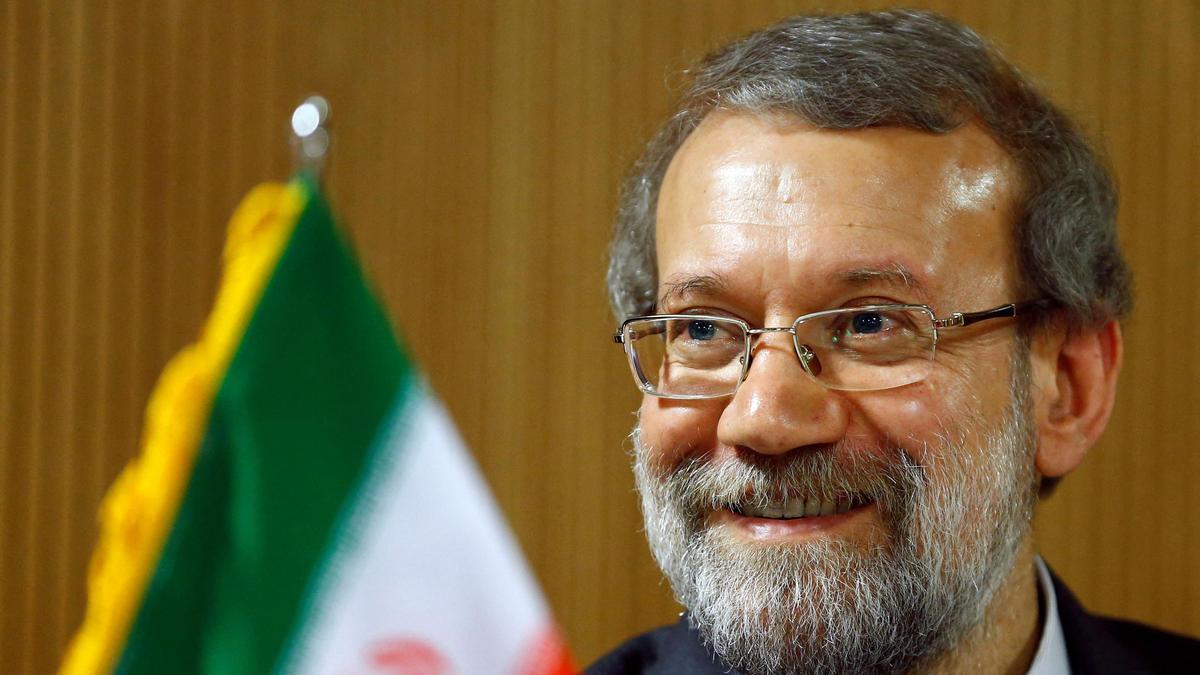
Israel just took out one of the most recognizable faces in Iranian politics, but if you think the Islamic Republic is on the verge of a nervous breakdown, you haven't been paying attention. On March 17, 2026, an Israeli airstrike killed Ali Larijani, the Secretary of the Supreme National Security Council. He wasn't just another bureaucrat. He was a pillar.
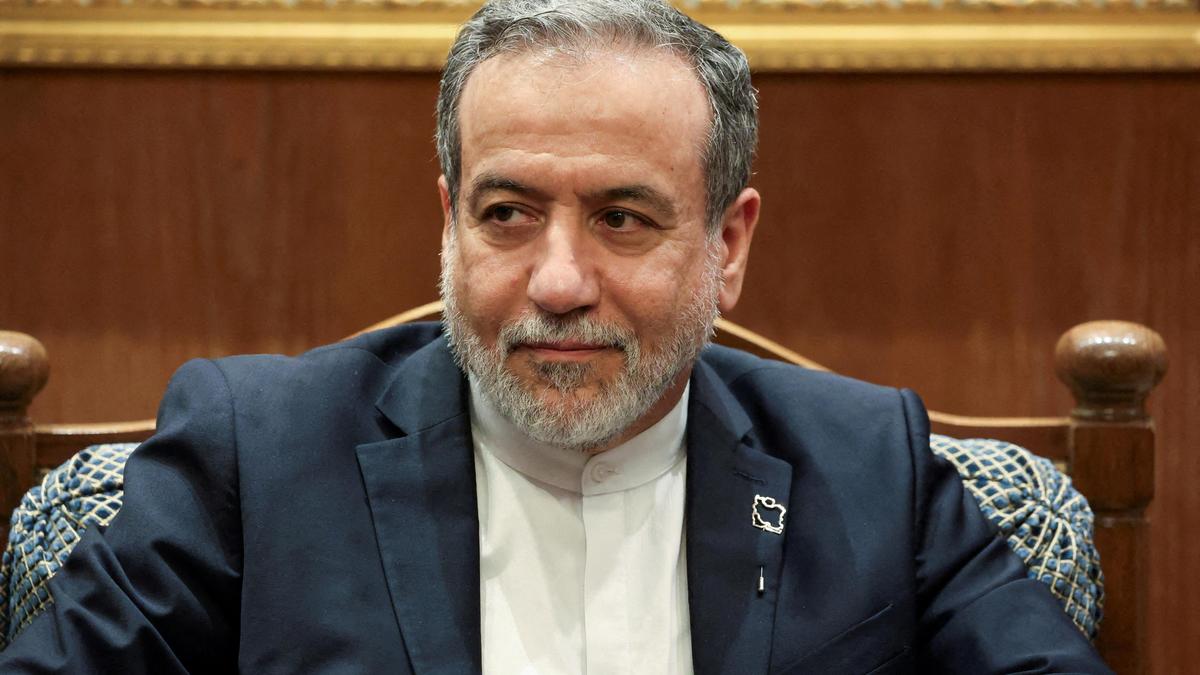
Foreign Minister Abbas Araghchi was quick to hit the airwaves, telling Al Jazeera that the country's "strong political structure" remains unshaken. He's right, though maybe not for the reasons he’d like the world to believe. Iran's system is built for this kind of trauma. It’s a machine designed to function even when the operators are getting picked off one by one.
The Strategy of Institutional Redundancy
Western analysts love the "decapitation" theory—the idea that if you kill enough top guys, the whole building falls down. It’s a clean narrative. It’s also wrong. Iran has spent decades building a government that is essentially a series of overlapping backups.
When Larijani died, the empty chair at the National Security Council didn't cause a power vacuum; it triggered a succession protocol. Araghchi pointed out that even the death of Supreme Leader Ali Khamenei on the first day of this war didn't stop the gears from turning. Mojtaba Khamenei stepped in, and the war kept moving.
Larijani was a "fixer." He was a bridge between the old-school clerics and the technical experts. Losing him is a massive headache for the regime's coordination, but it's not a fatal blow to its existence. The Iranian state is a collection of institutions—the IRGC, the Basij, the Majlis—that have their own internal momentum.
Revenge is the Only Language Left
The IRGC isn't interested in Araghchi’s diplomatic talk about "institutional stability." They want blood. Within hours of the confirmation of Larijani’s death, the Revolutionary Guard launched "Operation True Promise 4." This wasn't a symbolic gesture. We're talking about over 100 missiles, including cluster munitions, raining down on Tel Aviv and Ramat Gan.
The IRGC’s statement was blunt. They called Larijani a "distinguished thinker" and promised his blood would be a source of "strength and national awakening." This is the cycle we’re stuck in now. Israel strikes a high-value target to show reach and intelligence superiority. Iran responds with a massive, blunt-force missile barrage to show it can still hurt the "Zionist entity."
Neither side is backing down. The killing of Larijani—and the simultaneous hit on Basij chief Gholamreza Soleimani—has effectively killed any lingering hope for a "diplomatic off-ramp." Larijani was one of the few guys who actually knew how to talk to the West without sounding like a religious pamphlet. With him gone, the pragmatists have been pushed out of the room.
The Strait of Hormuz and the Global Fallout
If you aren't worried about what's happening in the Persian Gulf, you should be. Iran has already started tightening its grip on the Strait of Hormuz. This is their ultimate trump card. Araghchi warned that the global repercussions of this war "have only just begun."
- Oil Prices: Crude is already hovering around $100 a barrel.
- Shipping: One-fifth of the world’s crude passes through that narrow waterway.
- Military Escalation: The US has started dropping 5,000-pound bunker busters on Iranian missile sites along the coast to keep the lanes open.
This isn't just a regional spat anymore. It’s an energy crisis in the making. When Larijani was alive, he managed the "gray zone"—the space between total war and tense peace. Now that he’s a martyr, that gray zone is disappearing.
Why This Time Might Feel Different
There’s a temptation to compare this to the 2020 killing of Qassem Soleimani. When Soleimani died, people said the "Axis of Resistance" would crumble. It didn't. It got messier, more decentralized, and harder to track.
Larijani’s death follows that same pattern. He was a coordinator. Without a central coordinator, the various factions within Iran—the hardline IRGC generals, the intelligence ministry, the paramilitary Basij—start acting on their own. This makes the regime less predictable, not more.
The real danger isn't that the Iranian government will collapse tomorrow. The danger is that the "restraint" Larijani used to advocate for is now seen as a weakness. The new Supreme Leader, Mojtaba, is under immense pressure to prove he’s as tough as his father. Letting the "assassination of a titan" go unpunished isn't an option for him.
What Happens Next
If you're looking for a silver lining, you won't find one here. The funerals for Larijani and Soleimani in Tehran are being used as massive recruitment and mobilization events. We should expect:
- Increased Domestic Crackdowns: The regime is terrified of internal dissent during a war. They've already started sending text messages to citizens warning that "unconventional behavior" will lead to flogging or prison.
- More Targeted Hits: Israel isn't done. Just today, reports surfaced that Intelligence Minister Esmail Khatib might have been hit as well.
- Regional Spillover: Rockets are already hitting US bases in Iraq and the UAE.
The strategy of picking off leaders hasn't brought Iran to the table. It has only hardened the shell of the regime and given the IRGC more excuses to launch the kind of high-stakes missile attacks we saw overnight.
You can watch the headlines for the next "revenge" strike, but the real story is the silence of the diplomats. With Larijani gone, there's nobody left in Tehran who thinks a deal is possible.
Keep an eye on the oil markets and the shipping insurance rates in the Gulf. Those are the real barometers of how much this "stable" Iranian system is actually shaking. If the Strait of Hormuz closes for real, Araghchi’s claims of stability won't matter much to the rest of the world.