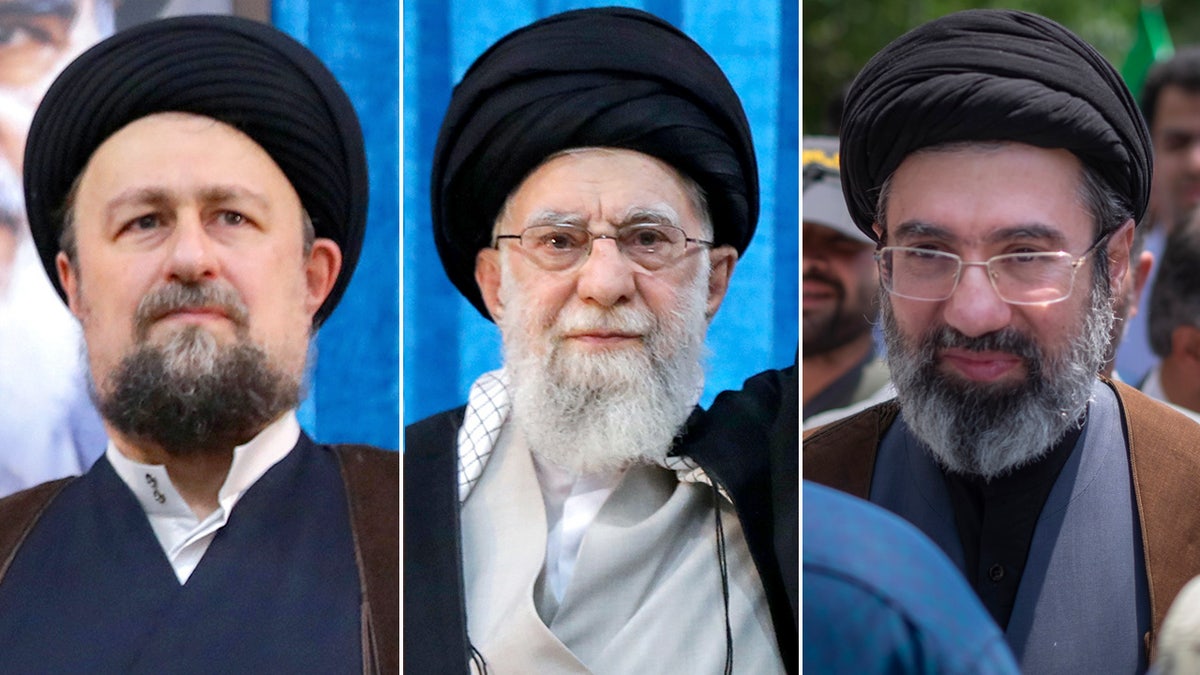
Peace isn't on the menu in Tehran. If you were hoping the sudden elevation of Mojtaba Khamenei to Supreme Leader would signal a "thaw" or a pivot toward diplomacy, his first major foreign policy stance just killed that dream. He isn't just maintaining his father’s hardline legacy; he's attempting to outdo it.
In his first major address since taking the reigns of the Islamic Republic, Mojtaba made it clear that Iran has zero interest in the de-escalation proposals floating around from international intermediaries. Instead, he’s framed the current conflict as a zero-sum game. To him, this isn't the time for peace. It’s the time for the United States and Israel to be "brought to their knees."
The hereditary gamble in Tehran
Succession in a theocracy is always messy, but doing it in the middle of a hot war with two of the world's most capable militaries is a different level of chaos. Mojtaba Khamenei didn't just walk into this job. He was catapulted into it after the February 2026 strikes that killed his father, Ali Khamenei.
Critics have long argued that turning the office of the Supreme Leader into a hereditary seat would destroy the "republican" veneer of the Islamic Republic. By picking Mojtaba, the Assembly of Experts basically admitted that survival and IRGC loyalty matter more than religious credentials or the "will of the people."
Mojtaba knows he’s viewed by many as a "dynastic" choice rather than a spiritual one. His aggressive rhetoric is likely a way to build street cred with the hardliners and the Revolutionary Guard. If he can't win them over with his religious rank—he's a hojjatoleslam, not a grand ayatollah—he’ll win them over by being the most uncompromising commander-in-chief they’ve ever had.
Why de-escalation is a dirty word right now
According to reports from the Foreign Ministry, at least two countries tried to hand Iran a "way out"—a ceasefire or a reduction in tensions. Mojtaba reportedly didn't even give them a serious look.
His logic is brutal and straightforward. He believes that accepting a ceasefire now, while Iran’s leadership has been decimated by strikes and its security chiefs like Ali Larijani are being targeted, would look like a surrender.
Instead, he’s doubling down on two specific levers of power:
- The Strait of Hormuz: He’s ordered the continued closure of this maritime chokepoint. It’s a move that holds 20% of the world’s oil and LNG supply hostage, driving global prices up and putting pressure on the U.S. and its allies.
- Asymmetric Fronts: He’s hinted at opening "new fronts" where the West has "no experience." This is code for cyberattacks, proxy strikes in the Red Sea, or activating sleeper cells in regions previously considered "stable."
A leader in the shadows
What’s truly eerie about this situation is that we haven't actually seen Mojtaba Khamenei since he took power. His statements are being read by anchors on state TV. There are no videos. There are no live broadcasts.
This "ghost leadership" has fueled rumors that he was injured in the same strikes that killed his father. Whether he’s recovering from wounds or just playing a psychological game of "strategic invisibility," the result is the same: the regime is projecting a unified, faceless, and relentless front.
The strategy is clear. If they can’t win a conventional war, they’ll make the cost of continuing the conflict so high for the global economy that the West is forced to blink first.
What this means for the region
If you're living in the Middle East or watching global oil markets, the "not the time for peace" stance is a massive red flag. It tells us that the IRGC is fully behind the new Leader. There is no internal "moderate" faction holding them back.
We’re likely looking at:
- Prolonged Energy Instability: As long as the Strait remains a "tool of pressure," expect gas prices to stay volatile and high.
- Targeted Attrition: Israel has already made it clear that whoever leads Iran is a target. Mojtaba's defiance only cements that status.
- Proxy Escalation: Groups like Hezbollah and the Houthis aren't being told to stand down; they're being told to gear up.
Don't expect a diplomatic breakthrough anytime soon. When a leader's first message to the world is that the enemy must be "brought to their knees" and "pay compensation," the bridges aren't just burned—they've been demolished.
Keep a close eye on the IRGC's movement in the Persian Gulf. The next few weeks will decide if this is a temporary posturing or a long-term shift toward a much larger, more dangerous regional confrontation.