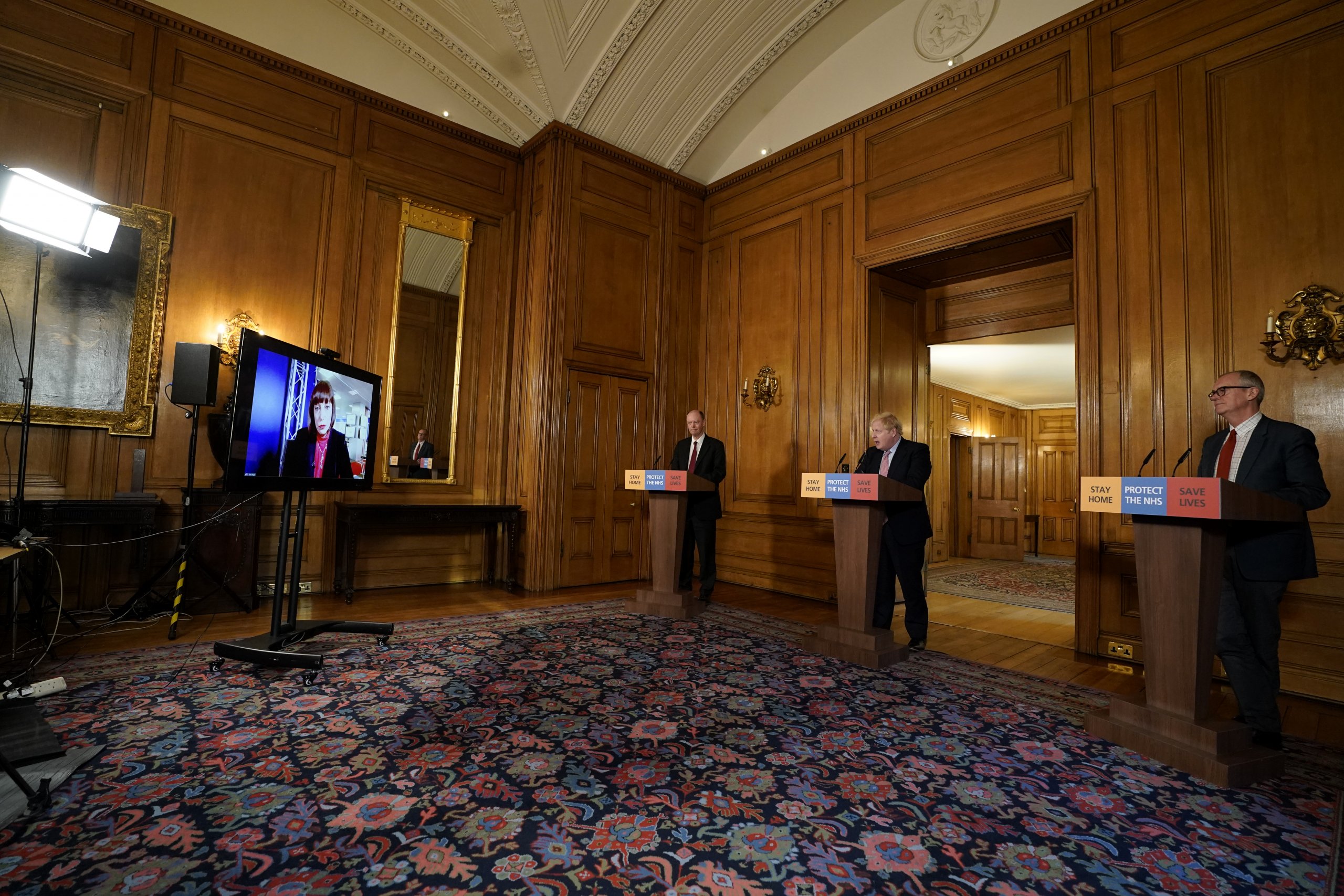
A heavy oak door swings shut in a quiet corner of Westminster. Behind it, the air smells of old paper and expensive espresso. There are no cameras here. No protestors with neon placards. Just a handshake and a promise. For decades, this has been the unspoken rhythm of British politics—a private dance between those who hold power and those who have the capital to influence it. But the music is changing.
The British government recently moved to tighten the bolts on the nation’s democratic machinery. They are introducing a £100,000 cap on political donations from "non-party" sources and overseas entities. On the surface, it sounds like a dry accounting tweak. A line item in a dusty ledger. In reality, it is a desperate attempt to reclaim the soul of a system that many feel has been up for sale to the highest bidder, regardless of where that bidder calls home.
Consider a hypothetical donor named Elena. She lives in a penthouse overlooking a glittering foreign skyline, thousands of miles from the rainy streets of Manchester or the clinical halls of Whitehall. Elena has never used the NHS. She doesn't care about the price of a rail ticket from Leeds to London. Yet, through a series of shell companies or "unincorporated associations," she can funnel half a million pounds into a party’s war chest.
That money buys more than just posters. It buys gravity. When Elena calls, people pick up. When she suggests a "slight adjustment" to a trade policy or a tax loophole, her voice carries a resonance that a million ordinary voters can’t hope to match.
This isn't about xenophobia. It’s about skin in the game.
The new rules aim to ensure that the people shaping British law are the people who have to live under them. By capping these external contributions at £100,000, the government is trying to turn down the volume of the global elite so the local choir can finally be heard. It is a recognition that a democracy cannot be a marketplace where the currency is more important than the ballot.
The Paper Trails and the Power Gaps
For years, the loophole was wide enough to drive a fleet of Bentleys through. Under previous regulations, foreign-based donors could bypass restrictions by using companies that appeared to be "carrying on business" in the UK. Often, these were little more than digital ghosts—office addresses that housed a single filing cabinet and a flickering lightbulb.
The Electoral Commission has long warned that these "unincorporated associations" were a black box. Money went in, influence came out, and the public was left squinting at the shadows. The new £100,000 limit acts as a structural ceiling. It forces parties to diversify their funding. It forces them to look back at the people they represent rather than the benefactors they court.
But why £100,000? Why not zero?
Politics is an expensive, noisy business. Staff need to be paid. Research must be funded. Data must be crunched. If you cut off all external funding overnight, you risk leaving the system starved, or worse, making it entirely dependent on the taxpayer’s wallet—a move that rarely wins popularity contests at the ballot box. The cap is a compromise. It’s an admission that while money is the fuel of modern campaigning, it shouldn't be the steering wheel.
The Invisible Stakes of a Silent Influence
We often talk about "interference" in terms of hacked emails or bot farms on social media. Those are the loud, messy versions of subversion. The quieter, more effective version is the steady drip of financial patronage.
When a party relies on a handful of ultra-wealthy overseas donors, its internal compass begins to drift. It’s a slow, almost imperceptible shift. You don't see it in a sudden policy U-turn. You see it in the things that don't happen. The bill that never gets introduced. The regulation that gets stuck in committee for three years. The "quiet word" that kills a reform before it even breathes.
This legislation isn't just about stopping "bad actors." It’s about protecting the actors we already have from the temptation of easy capital. It’s about removing the tether between a politician’s survival and a billionaire’s whim.
If you’ve ever sat in a local council meeting, you know the frustration of watching a community project die because there’s "no budget," while simultaneously reading about a multi-million-pound donation to a national party headquarters. That disconnect breeds a specific kind of cynicism. It’s a rot that starts at the edges and works its way to the heart of the state. It tells the average citizen that their five-pound monthly contribution is a drop in an ocean already owned by someone else.
Restoring the Human Scale
To understand the weight of this change, we have to look at the people who don't have £100,000 to spare.
Take a small business owner in Birmingham. He spends his nights worrying about rising energy costs and business rates. When he votes, he is performing a sacred, fragile act of trust. He is handing over his agency to someone he hopes will protect his interests. If that representative is more concerned with keeping a donor in Zurich or Dubai happy, that trust is liquidated.
The £100,000 cap is a signal to that business owner. It’s a way of saying: "Your voice might not be as loud, but it’s no longer being drowned out by a megaphone from across the ocean."
Of course, critics will say it’s too little, too late. They argue that the wealthy will always find a way—a new loophole, a different shell, a more sophisticated mask. And they might be right. The history of political finance is a history of a cat-and-mouse game where the mouse has a law degree and a private jet.
But perfection is the enemy of progress. This cap is a boundary line drawn in the sand. It tells the world that British democracy is not a commodity. It’s a community.
As the new rules take hold, the parties will have to learn a forgotten art: the art of the grassroots. They will have to knock on more doors. They will have to explain their visions to people who can only offer their vote and a cup of lukewarm tea. It will be harder. It will be slower. It will be more honest.
We are moving away from an era of "big-ticket" influence and back toward a scale that feels human. It is a messy, complicated transition, but it is necessary if we want the person sitting in that oak-paneled room in Westminster to remember exactly who they are working for.
The door is still there. The handshakes will still happen. But now, the price of admission is finally being regulated. For the first time in a long time, the table feels a little more crowded—and that is exactly how it should be.
The ink on the new legislation is barely dry, but the message is clear. If you want to shape the future of this country, you can’t just buy it from afar. You have to be part of the story. You have to stand in the rain with the rest of us.
The era of the invisible giant is ending.
The era of the voter is, perhaps, finally beginning.