Washington is currently vibrating with the frantic energy of a gambler doubling down on a losing hand. The reports are everywhere: the U.S. is weighing military reinforcements as the conflict with Iran enters a "new phase." It is the same tired playbook we have seen for decades. Move a carrier strike group here, deploy a few more F-35 squadrons there, and pray that "deterrence" magically starts working this time.
It won't. In other news, we also covered: The Sabotage of the Sultans.
The consensus among the Beltway's talking heads is that more boots, more hulls, and more airframes equal more stability. This is not just wrong; it is dangerously delusional. We are witnessing the terminal decline of twentieth-century power projection in the face of twenty-first-century asymmetric math. If the U.S. continues to pour high-value assets into the Persian Gulf, it isn't preparing for a new phase of war. It is building a high-priced graveyard.
The Lethal Math of Asymmetric Attrition
The fundamental misunderstanding in the current "reinforcement" strategy is the value of the target versus the cost of the threat. The Pentagon is obsessed with the prestige of the Carrier Strike Group (CSG). But in the narrow, cluttered waters of the Gulf, a $13 billion Gerald R. Ford-class carrier is not a mobile fortress. It is a massive, slow-moving heat signature. BBC News has also covered this important topic in extensive detail.
Iran does not need to win a naval battle in the traditional sense. They only need to win the math.
Consider the economics of a saturation attack. A single RIM-162 Evolved SeaSparrow Missile (ESSM) costs roughly $1.5 million. A standard SM-2 interceptor can run over $2 million. These are the tools the U.S. uses to swat away Iranian-made Shahed drones or anti-ship cruise missiles that cost as little as $20,000 to $50,000.
I have watched defense contractors celebrate "successful intercepts" during briefings, conveniently ignoring that the enemy just traded a used Honda Civic for a luxury penthouse. You can "reinforce" the region with every destroyer in the Atlantic fleet, but you cannot outrun a 100-to-1 cost-exchange ratio. Eventually, the magazines run dry, or the Treasury runs out of patience.
The Myth of the New Phase
The media loves the term "new phase" because it implies a shift that can be managed with a change in posture. It suggests that if we just find the right calibration of force, we can return to a comfortable status quo.
There is no new phase. This is the inevitable conclusion of the "gray zone" strategy Iran has perfected over forty years. They have spent four decades preparing for exactly this moment by investing in "anti-access/area denial" (A2/AD) capabilities while the U.S. spent trillions on nation-building and counter-insurgency.
Reinforcing the region now is like trying to fix a crumbling dam by throwing more water at it. Our presence is the very friction point Iran uses to justify its proxy escalations. By increasing the target density—more ships, more logistics hubs, more personnel—we are giving Tehran more options for "proportional" retaliation.
The Logistics of a Floating Target
Military planners talk about "projection" as if it happens in a vacuum. It doesn't. Every extra battalion sent to the Middle East requires a massive logistics tail.
In a high-intensity conflict with Iran, the primary vulnerability isn't the frontline fighter jet; it’s the slow, defenseless tanker refueling it and the cargo ship bringing its parts. Iran's drone swarms and fast-attack craft are designed specifically to sever these arteries.
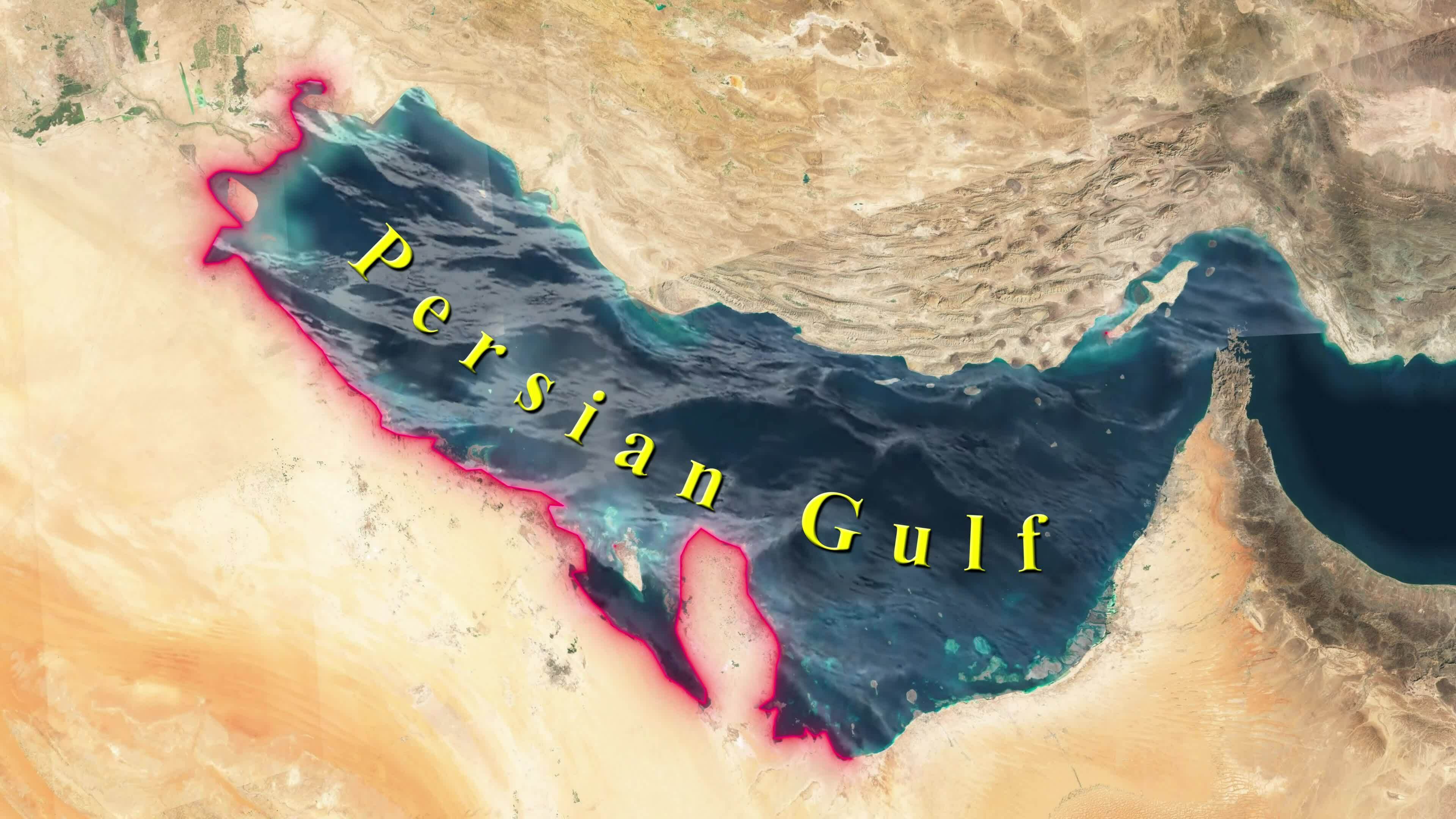
If we "reinforce" without a radical rethink of how we protect the supply chain, we are simply increasing the number of people who will be stranded when the Strait of Hormuz turns into a localized version of the "Highway of Death."
The "Deterrence" Fallacy
People often ask: "If we don't send more troops, won't Iran see that as a sign of weakness?"
This question is flawed because it assumes Iran views our current presence as a sign of strength. To a commander in the IRGC, a U.S. carrier in the Gulf isn't a threat; it's a hostage. They know that the domestic political cost of losing a single carrier—and the 5,000 souls on board—is so high that it effectively paralyzes U.S. decision-making.
True strength in the modern era is disaggregation.
Instead of concentrating power in a few massive, vulnerable hulls, we should be moving toward a distributed network of autonomous systems and long-range strike capabilities from outside the immediate "kill web." But that doesn't look as good on a news graphic as a carrier moving through the Suez Canal, so the "lazy consensus" continues to demand more steel in the water.
Stop Trying to "Win" the Middle East
The hard truth that no one in the Pentagon wants to admit is that the Middle East is no longer the center of the strategic universe. Every dollar spent "reinforcing" a stalemate with Iran is a dollar not spent on the actual existential challenge in the Pacific.
We are being baited into a resource sink. Iran wins by simply existing and being expensive to contain.
If you want to actually disrupt the Iranian strategy, you don't send more troops. You withdraw the high-value targets. You shift the burden of regional security onto the local players who actually have skin in the game. You stop treating the Persian Gulf as an American lake and start treating it as a contested zone where the U.S. holds the long-range "over-the-horizon" advantage.
The Real Risks of Withdrawal
Critics will say that pulling back will spike oil prices. They are right. It will.
But what is more expensive? A temporary $20 jump in the price of a barrel, or a full-scale naval war that sinks three destroyers and necessitates a decade-long occupation? We have to stop choosing the "safe" option that leads to a certain disaster in favor of the "risky" option that offers a path to strategic sanity.
The downside to my approach is clear: the U.S. loses its "policeman" status in the region. But look at the badge. It’s tarnished, and the precinct is on fire. It is time to stop pretending we can "manage" this conflict with more of the same.
The Actionable Pivot
If the U.S. wants to actually change the game, it should do the following:
- Ditch the Carrier-Centric Posture: Move the CSGs to the open Indian Ocean, out of the range of shore-based Iranian missiles.
- Invest in Subsurface Dominance: Iran’s A2/AD is focused on the surface and the air. They have very little answer for a sophisticated, distributed submarine presence.
- Weaponize the Logistics: Stop sending people and start sending sea-based autonomous drones. If Iran sinks a drone, the political cost is zero. The "hostage" value disappears.
- Call the Bluff: Force regional "allies" to take the lead on escorting their own tankers. If the oil is vital to them, they can pay the blood and treasure to protect it.
The current report about weighing "reinforcements" isn't a sign of American resolve. It's a sign of intellectual bankruptcy. We are trying to solve a software problem with more hardware, and the hardware is outdated.
Stop reinforcing the past. Start exiting the trap.
Move the fleet or lose it.