The security perimeter of the UK’s nuclear deterrent is supposed to be one of the most impenetrable zones on the planet. Yet, the recent detention of an Iranian national at the Faslane naval base on the Gare Loch exposes a terrifying gap between bureaucratic protocol and physical reality. While the Ministry of Defence often treats these incidents as isolated lapses or the actions of confused individuals, the geopolitical context suggests a much more calculated probing of British defense infrastructure. This was not just a trespass. It was a symptom of a systemic breakdown in the way the West protects its most sensitive military assets from hostile foreign intelligence.
Faslane, or HM Naval Base Clyde, serves as the home of the Vanguard-class submarines. These vessels carry the Trident nuclear missiles. They are the ultimate insurance policy for the British state. For a foreign national from a country currently engaged in a shadow war with the West to gain any level of proximity to this facility is an intelligence disaster. The public has been told the individual was detained and the situation handled. What hasn't been addressed is how the primary layers of detection failed to prevent the approach in the first place.
The Myth of the Hard Perimeter
We often imagine military bases as high-tech fortresses encased in sensors and elite patrols. The truth is often more mundane and far more dangerous. Most high-security sites in the UK rely on a combination of aging physical barriers and overstretched private security contractors. When an intruder from a high-interest nation like Iran manages to trigger an alarm inside the red zone, it means the outer layers of security—the intelligence gathering, the local police patrols, and the electronic surveillance—have already failed.
The Iranian intelligence apparatus, specifically the IRGC (Islamic Revolutionary Guard Corps), has a documented history of using non-traditional "scouts" to test the response times of Western infrastructure. They don't always send a trained spy in a suit. Sometimes they send someone who looks like a lost tourist or a confused migrant. This provides plausible deniability. If caught, the individual claims a misunderstanding. If not caught, they provide valuable data on patrol patterns, camera blind spots, and the speed of the armed response.
Why Faslane is a Tier One Target
The Gare Loch is a nightmare to secure. It is a deep-water sea loch that allows submarines easy access to the North Atlantic, but its geography also provides numerous vantage points for surveillance from the surrounding hills and public roads.
- Acoustic Signature Mapping: Hostile actors don't necessarily need to get inside the fence to do damage. Proximity allows for the deployment of advanced acoustic sensors that can record the unique "sound signature" of a nuclear submarine as it departs.
- Personnel Tracking: Intelligence agencies use these incursions to observe which gates are used by high-ranking officers and how security personnel conduct shift changes.
- Response Testing: By triggering a security alert, a foreign power can time exactly how long it takes for the Royal Navy Police and local Police Scotland units to coordinate a lockdown.
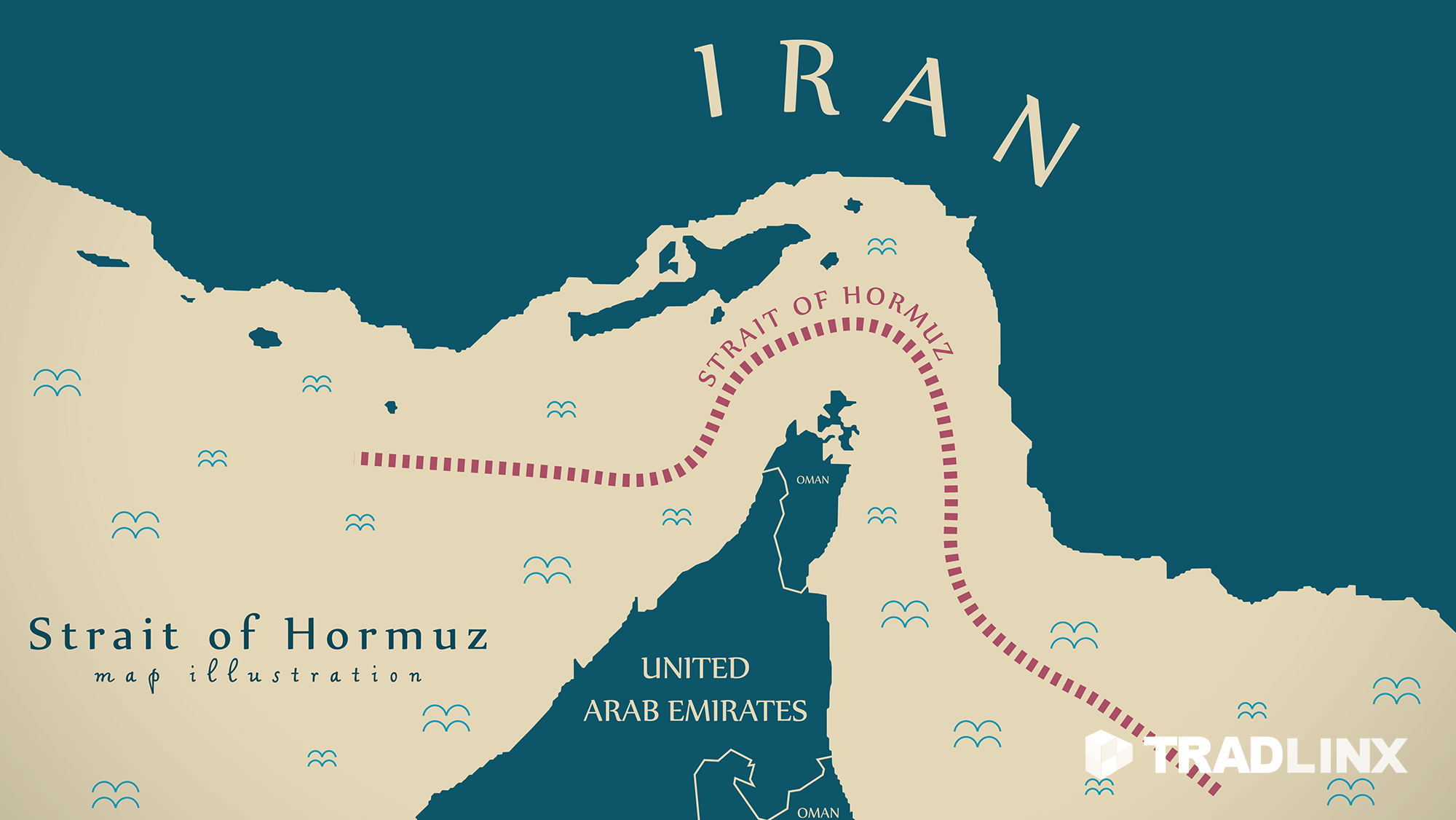
The detention of an Iranian national here is particularly sensitive because of the ongoing tensions regarding the Strait of Hormuz and the UK's involvement in intercepting Iranian-backed drone attacks in the Middle East. London is a primary target for Iranian "soft" influence and "hard" intelligence operations. Faslane is simply the most high-stakes chess piece on the board.
The Failure of Integrated Surveillance
British defense spending has shifted heavily toward high-end platforms like carriers and stealth jets, often at the expense of the "boring" stuff like base security and counter-intelligence. We are seeing a reliance on automated systems that can be easily spoofed. For example, many thermal and motion-sensing systems can be overwhelmed or bypassed by someone who knows the terrain.
There is also the human element. Security personnel at many UK bases are a mix of military police and civilian guards. This creates a fragmented command structure. In an era where "hybrid warfare" is the standard operating procedure for states like Iran and Russia, a fence is no longer enough. You need an active counter-intelligence net that stretches miles beyond the base perimeter.
The fact that this individual was able to reach a point where detention was necessary suggests that the pre-perimeter surveillance is non-existent. In a properly secured environment, a person of interest should be flagged the moment they enter the local vicinity, not when they are already touching the wire.
Hostile Reconnaissance or Random Occurrence
Officials are quick to downplay these events to avoid public panic and to keep from admitting weakness. They will call it a "unfortunate coincidence." It is rarely a coincidence.
In the world of professional intelligence, there is a concept called "dry cleaning." Before a major operation, you test every possible friction point. If Iran or any other state-level actor wanted to sabotage or even just monitor the UK’s nuclear readiness, they would start with these low-level probes. They look for the path of least resistance.
The individual in question likely carried a smartphone. In 2026, a smartphone is a sophisticated signals intelligence tool. Even if the individual didn't take a single photo, the metadata generated by the device as it pings off local towers and attempts to connect to base Wi-Fi networks provides a map of the digital environment. This is information that is sent back to servers in Tehran or elsewhere long before the police can seize the phone.
The Problem with Plausible Deniability
The UK legal system is ill-equipped to handle these gray-zone actors. Unless someone is caught with a bomb or a stolen blueprint, they are often processed under standard trespass or immigration laws. This is a mistake. When the person involved comes from a nation with a state policy of hostility toward the UK, the burden of proof should shift.
The current approach allows foreign intelligence services to "burn" low-level assets to gain high-level data. They lose a pawn, but they find out exactly where the King is hidden and how well he is guarded. We are playing a 20th-century security game against 21st-century asymmetric threats.
Strengthening the Wire
If the UK is serious about protecting its nuclear deterrent, the security at Faslane needs a total overhaul that moves beyond physical barriers.
- Expanded Exclusion Zones: The legal authority to challenge and remove individuals needs to extend further from the physical fence line.
- Signals Intelligence Interception: The base should be equipped with localized "domes" that can detect and analyze all cellular and radio traffic in the immediate vicinity to identify suspicious patterns before an approach is made.
- Personnel Vetting and Counter-Surveillance: Increasing the number of plainclothes counter-intelligence officers in the surrounding towns of Helensburgh and Rhu to spot those who are watching the base.
The security of the Trident program is the foundation of British national safety. If a single individual can bridge the gap between the public and the most sensitive naval base in Western Europe, then the deterrent is already compromised.
We must stop treating these incidents as minor police matters. They are kinetic touches in a long-term intelligence war. The next person who tests the perimeter might not be looking for a way in; they might already be sending the data that shows someone else how to do it. The Ministry of Defence needs to stop hiding behind "no comment" and start explaining why our most dangerous weapons are guarded by such a porous shield.
Every hour that passes without a fundamental shift in how we monitor the areas around our nuclear sites is an hour we give our adversaries to perfect their plans. The fence at Faslane is not just a line on a map; it is the boundary between sovereign security and international catastrophe. It is time we started treating it that way.
Check the local planning records for the areas surrounding Faslane to see how many properties have been purchased by foreign-linked shell companies in the last five years.