Sri Lanka isn't picking sides, and it just proved it by showing the door to a couple of American warplanes. President Anura Kumara Dissanayake told Parliament on March 20, 2026, that his government flatly rejected a U.S. request to land two missile-armed aircraft at Mattala International Airport. This wasn't just a routine "no" to a flight plan. It’s a high-stakes move to keep the island from becoming a parking lot for someone else's war.
The U.S. wanted to fly in two warplanes from their base in Djibouti, packed with eight anti-ship missiles, between March 4 and March 8. Around the same time, Iran was knocking on the door, asking to bring three of its warships into Colombo for a "goodwill visit." Sri Lanka looked at both requests and realized that saying yes to one meant being forced to say yes to the other. To keep their neutrality intact, they told both superpowers to stay away.
The Indian Ocean is Getting Crowded and Dangerous
It’s easy to talk about neutrality until a frigate gets torpedoed just miles off your coast. That’s exactly what happened on March 4, when the U.S. sank the Iranian frigate IRIS Dena off the southern town of Galle. The strike killed 84 sailors. While the Sri Lankan Navy managed to rescue 32 survivors, the incident brought the reality of the Middle East conflict right to Sri Lanka’s doorstep.
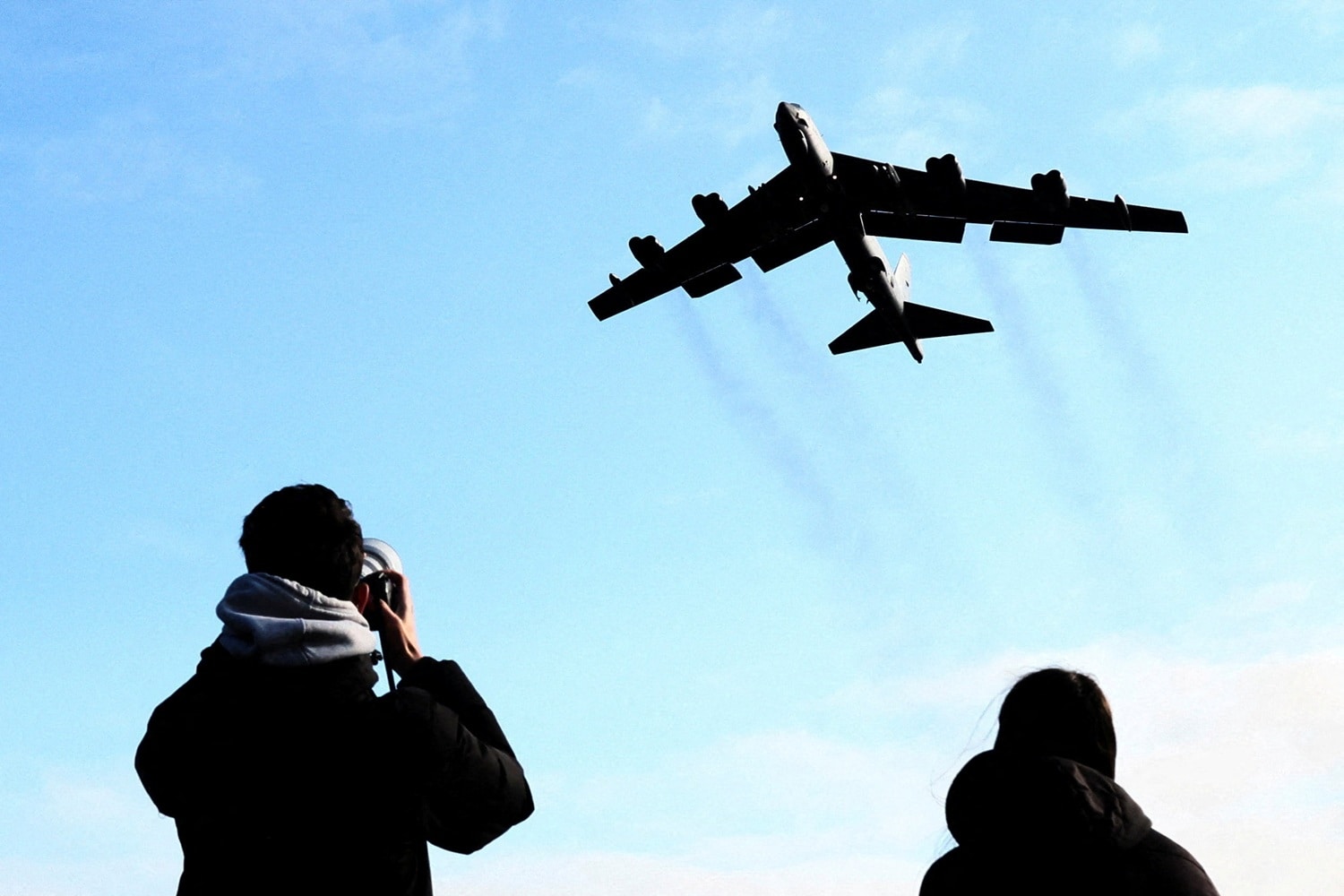
The aircraft the U.S. likely wanted to station at Mattala aren't just for show. Based on recent regional movements, these were almost certainly P-8A Poseidon maritime patrol planes or similar strike-capable assets. These planes carry AGM-158C Long Range Anti-Ship Missiles (LRASM), which are designed to hunt and destroy surface vessels with terrifying precision.
Why Mattala Airport Matters
You've probably heard Mattala called the "world's emptiest airport," but in a conflict, its location is prime real estate. It sits right near the southern tip of Sri Lanka, overlooking some of the busiest shipping lanes on the planet. For the U.S., it’s a perfect spot to monitor—or strike—vessels moving through the Indian Ocean. For Sri Lanka, letting those planes land would've basically turned a civilian airport into a legitimate military target.
Dissanayake was blunt about this risk. He told lawmakers that granting access would've exposed Mattala and the Port of Colombo to massive geopolitical tension. He's right. If you let a country park missile-laden jets on your tarmac while they’re actively sinking ships in your backyard, you aren't neutral anymore. You're a participant.
Navigating the Iran Connection
The situation with Iran is even more delicate. Sri Lanka buys a massive amount of oil and has long-standing trade ties with Tehran—they even trade tea for oil. When the IRIS Bushehr, another Iranian ship, showed up with engine trouble following the attack on the Dena, Sri Lanka had to play a careful hand.
They didn't let the ship stay in the main Colombo port indefinitely. Instead, they moved the 200+ sailors to a naval facility in Trincomalee. It’s a classic Sri Lankan move: fulfill humanitarian obligations under maritime law without giving the appearance of a permanent military alliance.
The US Strategy vs Sri Lankan Reality
The U.S. has been pushing a "Free and Open Indo-Pacific" narrative for years. Just a day before the President's announcement, he met with U.S. Special Envoy Sergio Gor to discuss sea lanes and trade. The U.S. often frames these requests as "capacity building" or "maritime awareness."
But there’s a massive gap between "training together" and "basing weapons here." Earlier this year, the U.S. even gave Sri Lanka ten Bell 206 helicopters to help with disaster response. That kind of aid is welcomed. Anti-ship missiles, however, are a different story.
Neutrality is a Survival Tactic
For a country still recovering from an economic collapse, getting dragged into a shooting match between Washington and Tehran is the last thing anyone wants. Sri Lanka’s neutrality isn't just a philosophical choice; it’s an economic necessity.
- Trade Risk: The U.S. is Sri Lanka’s largest export market.
- Energy Risk: Attacks on ports in the UAE have already delayed crude oil shipments to the island.
- Security Risk: Using civilian infrastructure for foreign military operations invites retaliatory strikes.
Dissanayake is gambling that he can keep both sides at arm's length without losing the support of either. So far, the "no" to the warplanes seems to have stuck.
If you’re tracking how regional powers are shifting, keep an eye on the upcoming joint activities under the State Partnership Program in the summer of 2026. These will focus on disaster response and professional education—the "safe" side of military cooperation. Until then, expect Sri Lanka to keep its runways clear of foreign missiles. You can stay updated on these regional shifts by following the official briefs from the Sri Lankan Ministry of Defense.