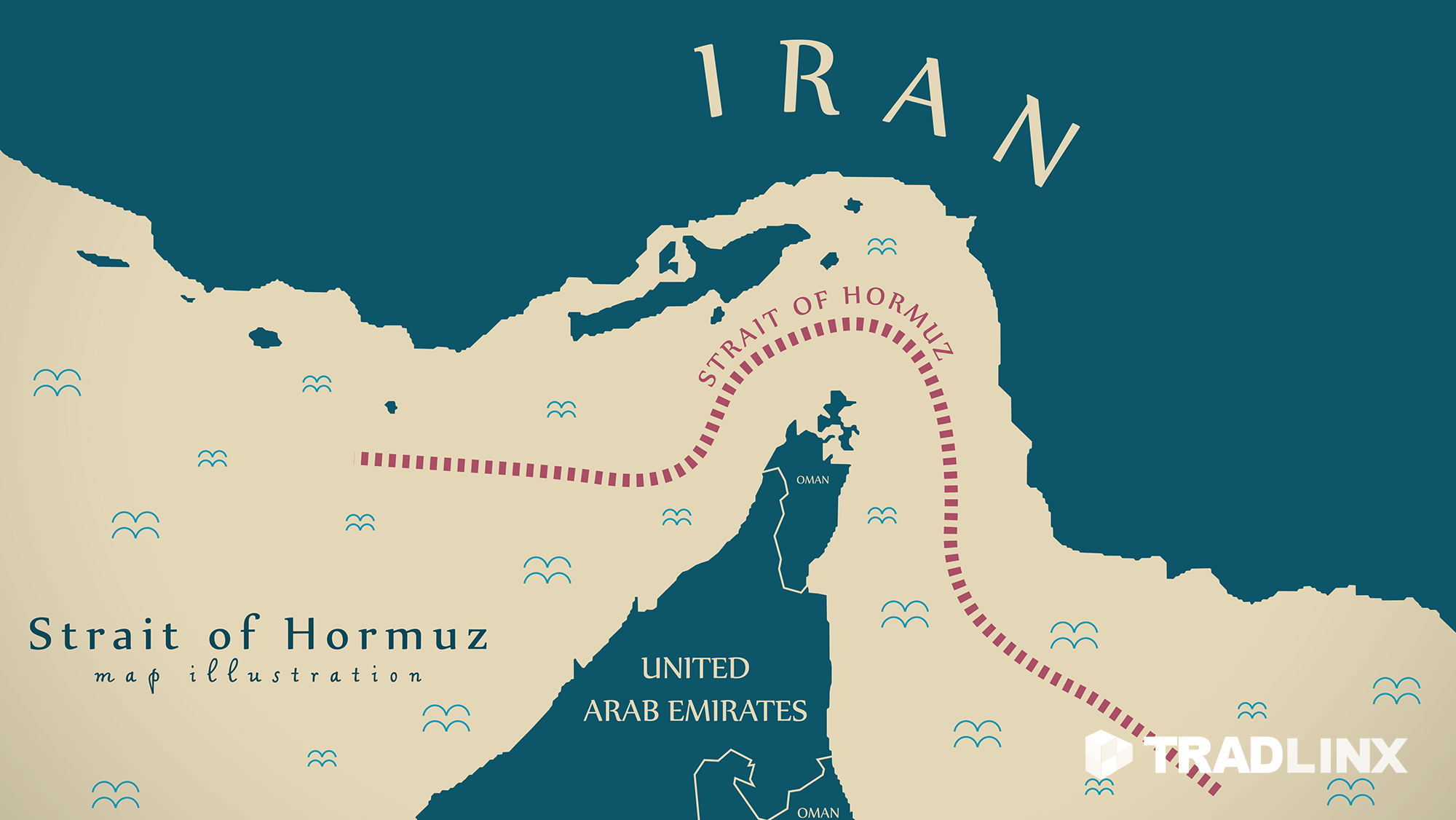
The world is watching a slow-motion supply chain disaster. As of April 13, 2026, the United States has officially initiated a naval blockade of the Strait of Hormuz. This follows the complete collapse of high-stakes peace negotiations in Islamabad. You're likely wondering how we got here or what it means for your wallet. The reality is that this 21-mile-wide waterway just turned into the most dangerous bottleneck on the planet.
If you aren't familiar with this chokepoint, here is the basic math. Roughly one-fifth of global oil and one-quarter of all liquefied natural gas (LNG) pass through this passage. It’s not just fuel. This area controls the flow of critical chemicals, fertilizers, and raw materials essential for global manufacturing. When traffic here effectively hits zero—as it did in recent weeks—it isn't just an energy crisis. It’s a systemic shock to global food and manufacturing supply chains.
Why China Is Speaking Up Now
Beijing finally broke its silence today, labeling the blockade contrary to international interests. While it sounds like standard diplomatic posturing, there is a lot more at play. China is the world's largest crude oil importer. They have spent decades building an economic strategy that relies on stability in the Middle East. Now, they are seeing that stability vanish overnight.
Foreign Minister Wang Yi’s comments urging restraint aren't just about global goodwill. They are about raw survival. Beijing has spent years positioning itself as a neutral mediator, famously brokering the 2023 rapprochement between Iran and Saudi Arabia. This latest conflict, however, has exposed a massive vulnerability. Even with their diplomatic ties, Chinese tankers have been largely sidelined, trapped outside the Persian Gulf, or forced to navigate with transponders off.
Basically, China’s "peaceful development" doctrine is hitting a wall. They’ve relied on the US Navy to keep these lanes open for years. Now that the US and Iran are in direct conflict, China is realizing that its economic exposure far outstrips its ability to project military power in the region. They aren't in a position to force the strait open, and they are terrified of what happens if the conflict escalates further.
The Real Cost Of A Closed Strait
Most analysts focus on the price of oil. While that is undeniably important, it misses the bigger picture. The Kiel Institute recently highlighted a cascading effect that most people are ignoring.
- Energy Shock: When oil prices spike because supply is cut, everything becomes more expensive.
- Fertilizer Crunch: The Gulf is a major producer of urea and other nitrogen-based fertilizers. Shortages here hit farmers globally, especially during critical planting seasons like the one we are in right now.
- Food Inflation: Higher fuel and fertilizer costs mean food prices go up. This doesn't hurt everyone equally. Developing nations in South Asia and parts of Africa are facing massive welfare losses. We are talking about potential 10–15% increases in food prices in countries that can least afford them.
If you’re looking at the global economy, the takeaway is clear. We have created a system that is far too reliant on a single point of failure.
The Myth Of Strategic Autonomy
There is a lesson here for everyone, from government policymakers to business leaders. We have been living under the illusion that global supply chains were resilient. They aren't. They are brittle.
China thought its diplomatic relationships would give it a pass. It didn't. Western nations thought they could manage the region through a mix of sanctions and naval presence. That didn't work either. The current blockade proves that when push comes to shove, maritime security is a game of brute force.
For anyone managing logistics or investment portfolios, the takeaway is simple. Diversification isn't just a buzzword; it’s a survival strategy. If your business depends on inputs that flow through this region, you need to be looking at:
- Strategic Reserves: Do you have a buffer for essential chemicals or raw materials?
- Supply Chain Mapping: Do you know exactly which of your inputs are sourced from, or processed in, the Gulf?
- Alternative Sourcing: Are there suppliers in other regions that can act as a backup if this crisis drags on for months?
What Happens Next
The situation is incredibly volatile. With the US military now committed to a blockade, the risk of miscalculation is sky-high. Iran has already shown it can use mines, drone boats, and missile threats to turn the strait into a no-go zone.
Do not expect a quick fix. Even if a ceasefire were signed tomorrow, the physical clearing of mines and the restoration of shipping insurance confidence will take weeks. This is the new reality. Whether you are following this for geopolitical interest or economic survival, keep your eyes on the daily shipping data. When those transponder signals go dark, the real cost to the global economy is just beginning to climb.
If you're exposed, don't wait for a headline to tell you to act. Audit your supply chain today. The bottleneck is closed, and the ripple effects are already here.