The global energy market is currently staring down the barrel of a localized conflict with planetary consequences. We’ve seen this movie before, but the script just got a lot darker. Following a series of aggressive social media posts and policy shifts from the Trump administration regarding maritime security, Tehran has stopped hinting and started shouting. The message is simple. If Iran can’t export its oil through the Strait of Hormuz, nobody in the neighborhood will be exporting anything else either.
This isn't just about some tankers getting stuck in a chokepoint. We're talking about a direct threat to the power grids and refineries of America’s regional allies. Iran’s military leadership explicitly stated they’ve mapped out energy infrastructure across the Gulf. They aren't just looking at ships anymore. They’re looking at the pipes, the plants, and the literal switches that keep the lights on in Riyadh and Abu Dhabi.
Why the Strait of Hormuz is the world’s most dangerous heart attack
You’ve probably heard the "20 percent" statistic. Roughly a fifth of the world's liquid petroleum passes through that narrow stretch of water between Oman and Iran. It’s only 21 miles wide at its narrowest point. If it closes, the global economy doesn't just slow down. It hits a wall.
The current tension stems from a feedback loop of "maximum pressure" tactics. The U.S. wants to choke off Iran's ability to fund its proxies. Iran, feeling the walls close in, uses its only real lever: the ability to cause global economic chaos. When Trump threatens to "permanently secure" the Strait, Tehran sees an existential threat. Their response? A promise to turn the regional energy landscape into a graveyard of twisted metal.
It's a classic case of brinkmanship where both sides think they have the winning hand. Washington bets on its naval superiority and economic weight. Tehran bets on the fact that the West has a much lower tolerance for $150-a-barrel oil than the Iranian Revolutionary Guard has for living in a sanctioned vacuum.
The shift from maritime harassment to infrastructure targets
In the past, the "Tanker Wars" were mostly about, well, tankers. You'd see a mine here, a seized vessel there, or a drone strike on a deck. It was loud, but it was surgical. What we’re seeing now is a pivot toward "total energy war."
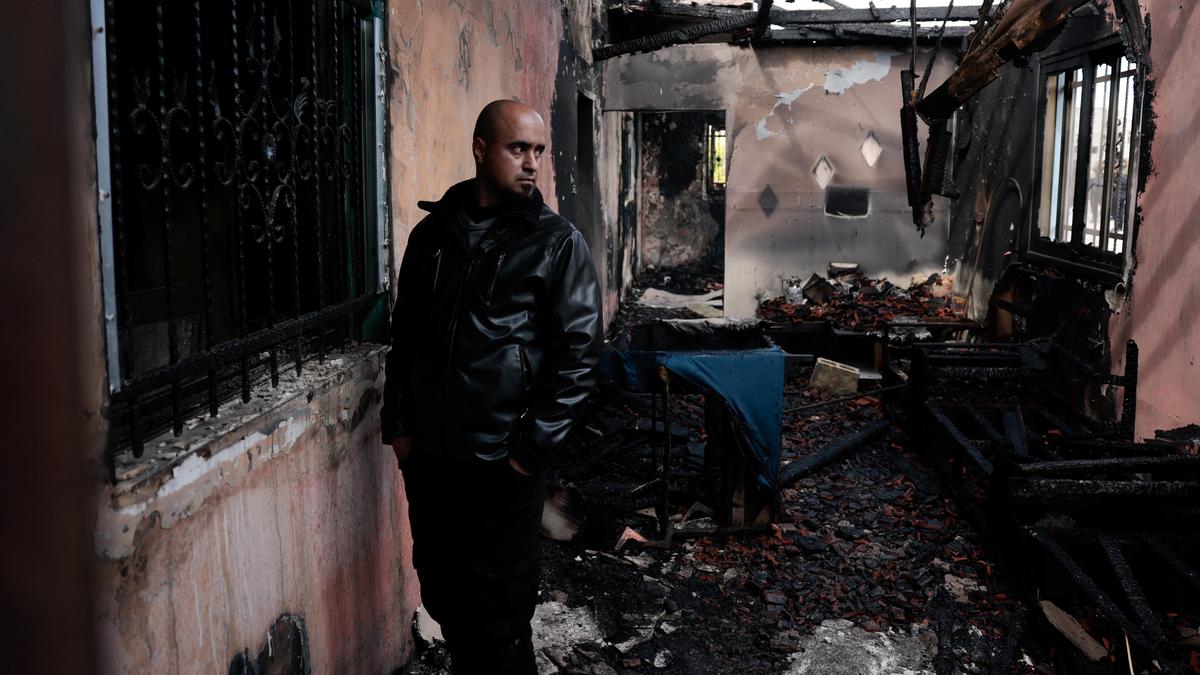
The Iranian military has hinted at targeting desalination plants and power stations. Think about that for a second. If you live in the Gulf, water comes from the sea, and you need electricity to make it drinkable. By targeting energy facilities, Iran isn't just attacking a country's bank account. They’re attacking the basic survival of the population.
It’s a brutal strategy. It’s also incredibly effective as a deterrent. No leader in the region wants to explain to their citizens why the taps have run dry and the AC is off in 110-degree heat because of a spat over maritime transit rights.
Trump’s rhetoric and the volatility of 2026
The timing of this matters. We’re in a cycle where diplomatic nuances have been replaced by "might makes right" declarations. When the U.S. administration talks about shutting down Iranian ports or intercepting every single "ghost tanker," it leaves the Iranian leadership with a binary choice: collapse or lash out.
History shows they usually choose the latter.
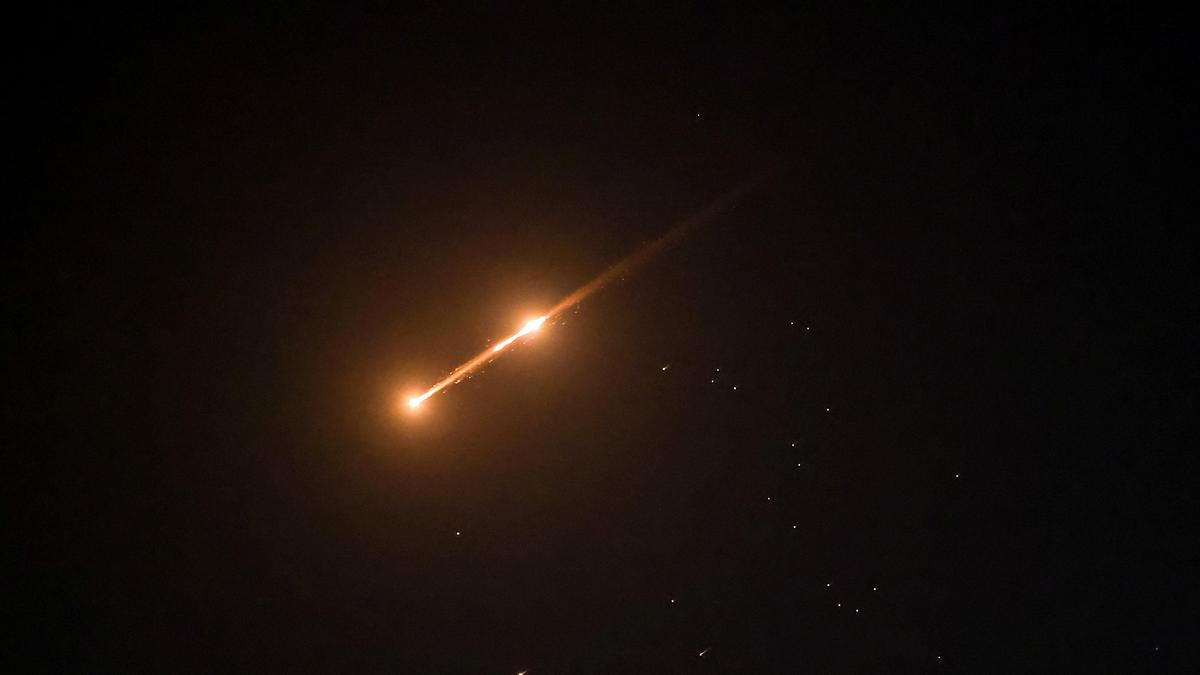
The sophisticated nature of modern drone warfare has changed the math. You don't need a massive navy to take out a refinery anymore. A swarm of low-cost, one-way attack drones can overwhelm even the most advanced missile defense systems. We saw a preview of this years ago with the Abqaiq–Khurais attack in Saudi Arabia. Iran denied involvement then, but the message was received. Now, they aren't even bothering with the denial. They're making it a policy.
What this means for your wallet and the global grid
Don't think this is just a "Middle East problem." The interconnectedness of the 2026 energy market means a fire in a Saudi refinery is a price hike at your local gas station within 48 hours.
- Supply Chain Shattering: If the Strait is blocked, the diversion of shipping routes adds weeks to delivery times for everything from crude oil to liquefied natural gas (LNG).
- Insurance Nightmares: Maritime insurance premiums for the Gulf are already skyrocketing. Some carriers might stop covering the route entirely, effectively creating a de facto blockade even without a single shot being fired.
- The Pivot to Alternatives: While the world is moving toward renewables, the transition isn't fast enough to absorb a sudden 20% drop in global oil supply.
The irony is that the harder the U.S. pushes to isolate Iran, the more valuable Iran’s "chaos potential" becomes. It’s the ultimate scorched-earth policy.
Preparing for the unpredictable
If you’re waiting for a diplomatic breakthrough, don't hold your breath. The rhetoric on both sides has moved past the point of easy "de-escalation." We are in a period of high-stakes testing.
For businesses and investors, the play isn't to guess when the strike happens. It's to realize that the threat itself is now a permanent feature of the market. Diversification isn't a buzzword; it's survival.
Keep a close eye on the "Tanker Trackers" and the movements of the U.S. 5th Fleet. The moment the rhetoric turns into a physical blockade or a "preventative" strike on an Iranian port, the map of the world's energy flow changes forever. You should be looking at energy stocks in non-OPEC regions and checking your exposure to global logistics firms. The Strait of Hormuz isn't just a waterway. It's a fuse. And right now, there are a lot of people playing with matches.
Get your assets out of high-risk maritime logistics and start looking at domestic energy production or North American infrastructure. The volatility isn't a bug. It's the new operating system.