The nineteenth day of this conflict has shifted from targeted assassinations in the heart of Tehran to a brutal struggle for the world's most critical energy artery. If you've been following the news, you know the headlines are dominated by the death of Ali Larijani. But the real story isn't just about a fallen power broker. It's about the 5,000-pound bunker busters now falling near the Strait of Hormuz and what that means for your wallet, your security, and the map of the Middle East.
Iran's confirmation of Larijani’s death wasn't just a eulogy. It was a starter pistol for a fresh wave of regional chaos. Tehran is no longer just defending its soil; it's lashing out at every Western-aligned neighbor within reach. We’ve seen missiles and drones hitting targets from the heart of Tel Aviv to the Al Minhad base in the UAE. The gloves aren't just off—they've been burned.
The Decapitation Strategy Hits its Peak
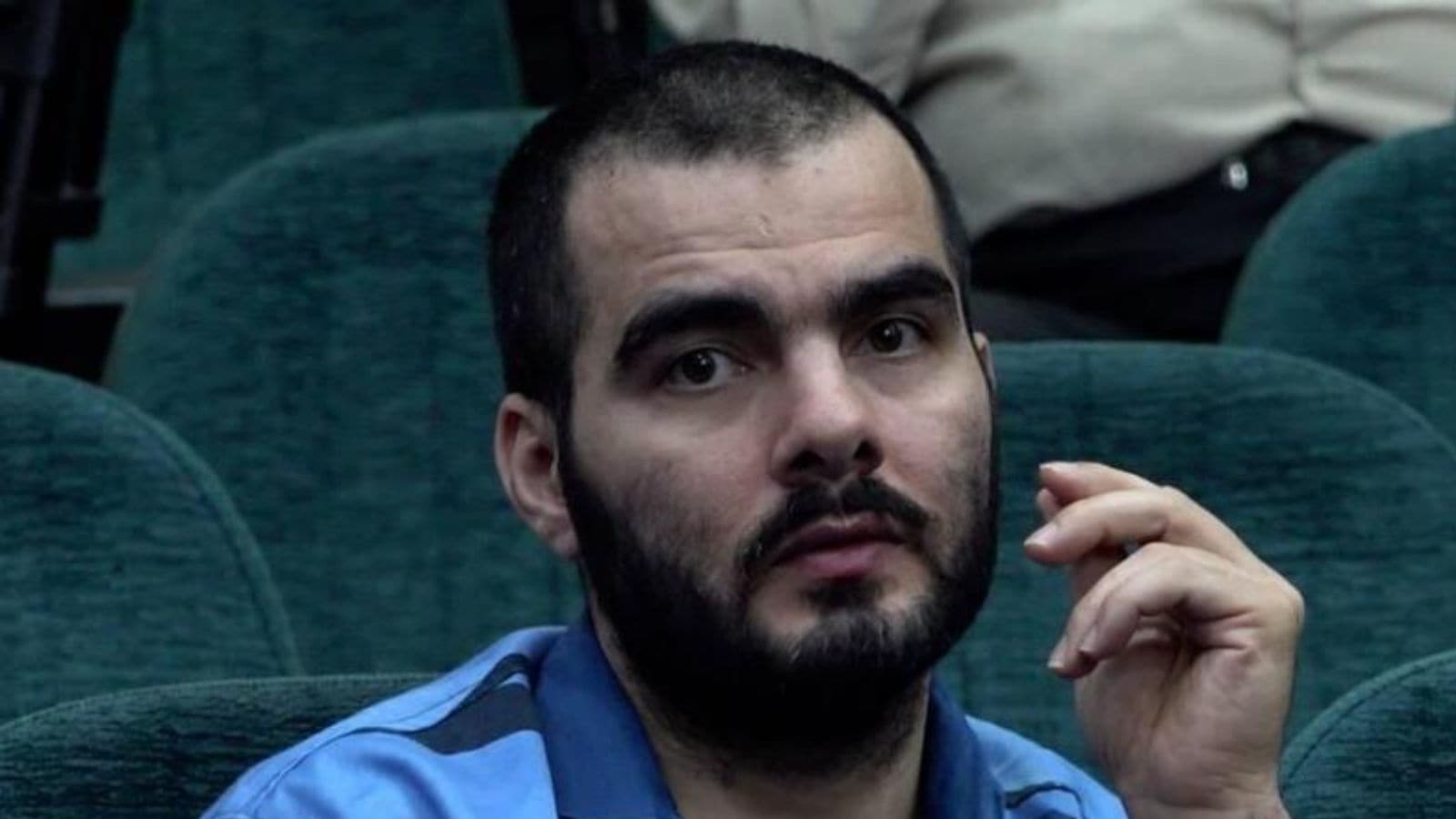
Ali Larijani wasn't just another bureaucrat. He was the Secretary of the Supreme National Security Council and, following the death of Ayatollah Khamenei earlier in this war, the man many considered the de facto adult in the room. His assassination by an Israeli airstrike in a Tehran suburb is a clear signal. Israel and the US aren't looking for a ceasefire. They're systematically picking off the few remaining leaders capable of holding the Iranian state together.
You might think removing a "hardliner" or a "pragmatist" (Larijani was uniquely both) would pave the way for peace. Honestly, it’s doing the opposite. By killing the middlemen, the West is leaving the Revolutionary Guard (IRGC) as the only entity with the guns and the organization to run what's left of the country.
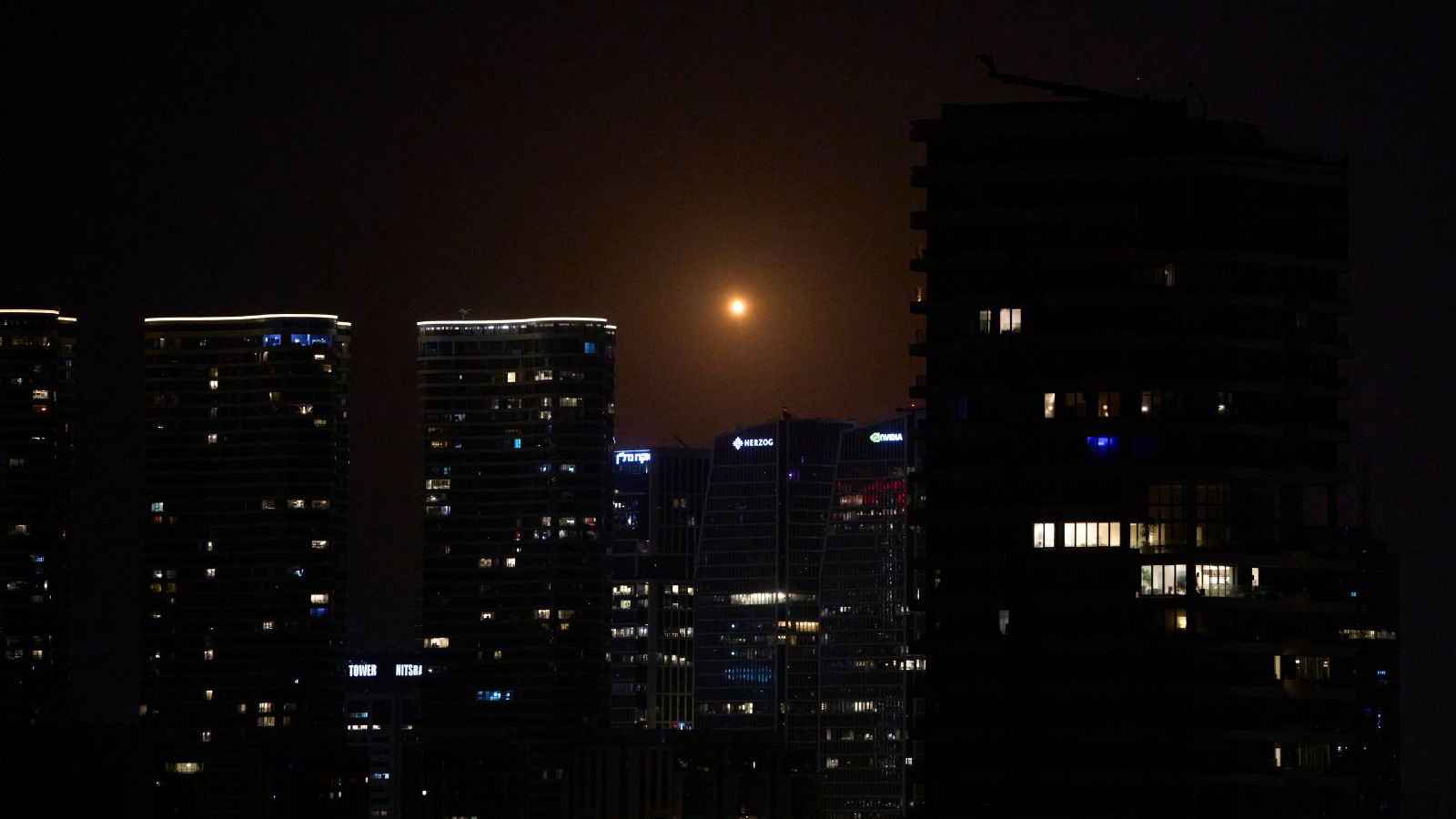
The immediate result? Revenge. Iran’s military commanders didn't wait. They launched cluster munitions at central Israel, killing two people in Ramat Gan near Tel Aviv. These aren't precision strikes anymore. They're designed to spread shrapnel and fear, slipping past the Iron Dome by sheer volume and unpredictable flight paths.
Bunker Busters at the Water's Edge
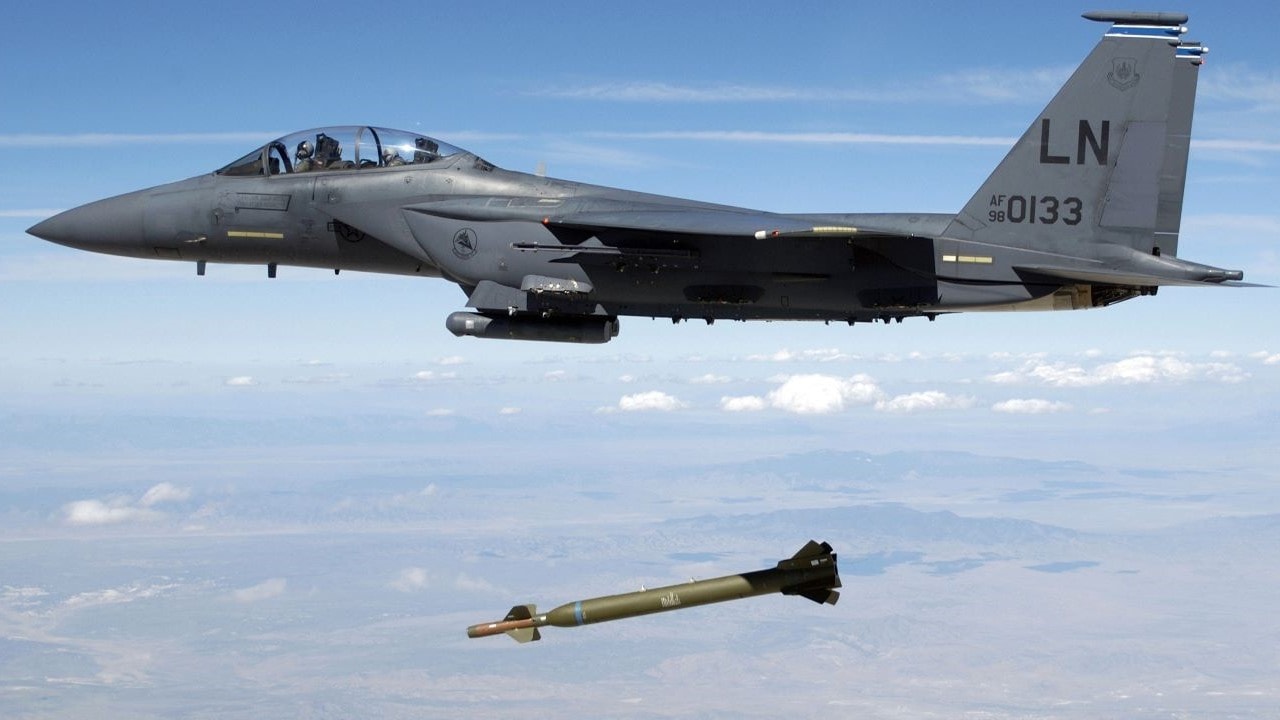
While the world was focused on the funeral in Tehran, the US Central Command (CENTCOM) was busy changing the tactical reality of the Persian Gulf. They didn't just drop bombs; they dropped GBU-72 "Advanced 5K" penetrators. These 5,000-pound monsters are designed for one thing: reaching the "unreachable."
The targets were hardened missile sites along Iran’s coastline. These are the bunkers where Iran hides its anti-ship cruise missiles—the very weapons that have turned the Strait of Hormuz into a no-go zone for Western tankers.
- The Goal: Neutralize Iran’s "area-denial" capability.
- The Method: Precision strikes that collapse underground hangers.
- The Risk: Turning a "limited" strike into a permanent blockade.
President Trump has been vocal about his frustration with "non-responsive allies." He wants NATO, Japan, and South Korea to step up and police the water. They haven't. So, the US is taking the "finish it off" approach. By hitting these coastal batteries, Washington is betting it can keep the oil flowing without needing a massive international fleet that isn't coming.
The Ripple Effect Across the Gulf
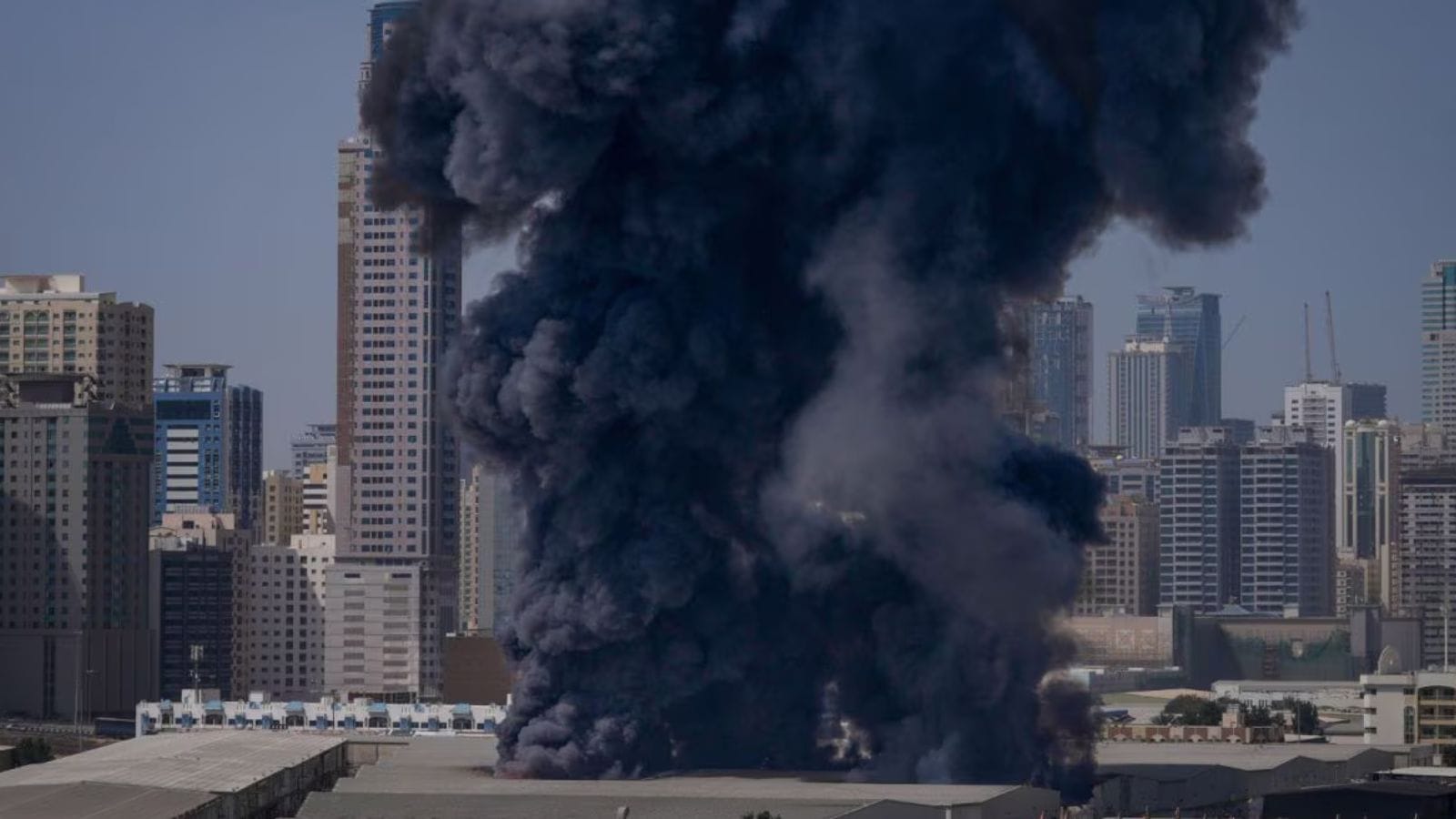
This isn't just an Iran-Israel fight anymore. On Day 19, the conflict spilled over into the backyards of the UAE, Qatar, and Saudi Arabia. An Iranian projectile landed near Australia's military headquarters in the UAE. While nobody was hurt, the message was sent: if Iran goes down, it's taking the regional economy with it.
Qatar has already called the strikes near the South Pars gas field "dangerous and irresponsible." They share that field with Iran. When the US drops 5,000-pound bombs nearby, it's not just Iranian infrastructure at risk; it's the global supply of LNG.
We’re also seeing a strange new maritime reality. While Western ships avoid the strait like the plague, China and India are still moving tankers through. Iran is selectively granting passage, creating a two-tier global energy market. If you’re wondering why gas prices at your local station are hitting records, this is why. A fifth of the world’s oil is essentially being held hostage or diverted.
Hardliners are the Only Winners Here
With Larijani gone, the internal power vacuum in Tehran is being filled by the most confrontational elements of the regime. Figures like Saeed Jalili are waiting in the wings. These are people who don't believe in "pragmatic negotiations." They believe in the "Festival of Fire."
The IRGC is now effectively calling the shots because there’s no civilian leadership left to tell them no. They’ve already warned of strikes on Gulf oil facilities in the "coming hours." They’ve issued evacuation warnings for refineries in Saudi Arabia and petrochemical complexes in Qatar. This is psychological warfare as much as it is a military threat.
What You Should Watch for Next
The next few days will be the most volatile of the war. We’re past the point of "de-escalation" being a buzzword. Here’s what’s actually on the table:
- Mine Warfare: The US might have hit the missile sites, but they can't easily clear the naval mines Iran has likely already dropped. Watch for the UK and France to deploy specialized mine-hunting drones.
- Infrastructure Collapse: If Iran follows through on its threats to hit Gulf refineries, the global energy crisis moves from "expensive" to "catastrophic."
- The Nuclear Question: A "hostile projectile" already hit near the Bushehr nuclear plant. Whether it was a stray or a warning, the nuclear threshold is being teased.
Don't wait for a formal peace treaty or a UN resolution to change things. They won't. If you have interests in the energy sector or regional logistics, it's time to diversify away from the Gulf. The "pre-war status" of the Strait of Hormuz is dead, and it's not coming back anytime soon. Start looking at Ceyhan port exports via Turkey and Mediterranean routes—those are the only "safe" bets left on the map.