The arrival of US Special Envoy Sergio Gor in Sri Lanka represents more than a standard diplomatic circuit. It marks a calculated acceleration of American maritime interests in the Indian Ocean. While official press releases often frame these visits through the lens of regional stability or humanitarian cooperation, the technical reality on the ground—and in the water—is far more complex. Gor’s review of strategic naval assets signals a shift from passive observation to active engagement in one of the world’s most vital shipping corridors.
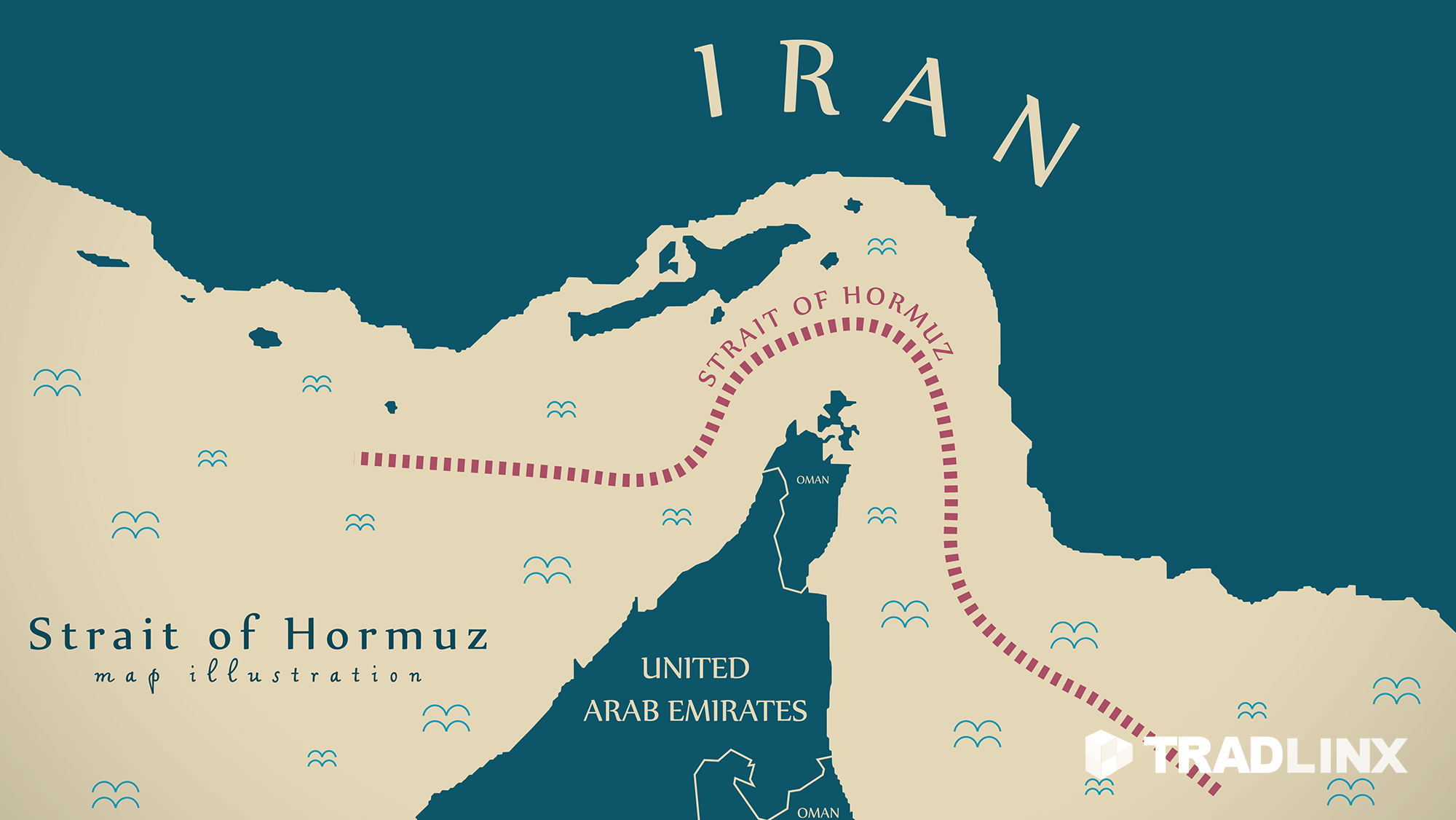
Sri Lanka sits at the midpoint of the sea lanes connecting the Persian Gulf to East Asia. It is a geographic inevitability. For the United States, maintaining a foothold here is no longer an option but a necessity to counter expanding regional influences that threaten the status quo of open navigation.
The Technical Reality of Asset Integration
When a high-level envoy audits naval assets, they are looking at interoperability. This is the ability of different military forces to operate together using shared communication frequencies, data links, and logistics protocols. It is the invisible glue of modern naval warfare. Gor’s focus on Sri Lankan capabilities suggests a move toward integrating local monitoring systems with broader American maritime domain awareness networks.
Trincomalee is the crown jewel of this strategy. It is one of the finest natural deep-water harbors in existence. Unlike artificial ports that require constant dredging and maintenance, Trincomalee offers a protected, deep-water environment that can accommodate the largest vessels in any navy. Control or even preferential access to this harbor provides a massive logistical advantage. If a fleet can refuel, repair, and rest in a deep-water bay halfway between Diego Garcia and the Strait of Malacca, its operational reach doubles.
The assets under review typically include Coastal Radar Surveillance Systems (CSRS). These are not just spinning dishes on a beach; they are sophisticated sensors that feed into a Common Operating Picture. By upgrading these systems, the US ensures that the data being collected by Sri Lanka is compatible with American intelligence requirements. This creates a "warm" infrastructure—facilities that are ready for rapid scaling should a regional crisis erupt.
Beyond the Diplomatic Script
Public discourse focuses on "capacity building." The unspoken truth is that capacity building is a two-way street. When the US provides cutters or patrol craft to the Sri Lankan Navy, it is offloading the burden of routine patrolling to a local partner. This frees up US Seventh Fleet assets for higher-intensity missions elsewhere. It is a cost-effective way to maintain a persistent presence without the political baggage of a permanent foreign base.
However, this partnership faces significant headwinds. Sri Lanka is navigating a crushing debt crisis that has previously forced it to lease port infrastructure to foreign entities for 99-year terms. This creates a fractured landscape of jurisdiction. You have an American envoy reviewing assets in one part of the country while a few hundred miles away, a different superpower holds the keys to a massive commercial terminal. This tension defines the current Sri Lankan experience.
The specific assets being highlighted, such as the Beechcraft King Air 360ER maritime patrol aircraft, change the math of ocean surveillance. These planes allow for the tracking of "dark vessels"—ships that turn off their Automatic Identification Systems (AIS) to avoid detection while engaged in illegal fishing or illicit transfers. For Gor and the US State Department, proving that they can help Sri Lanka secure its own borders is the most effective way to keep competitors at arm's length.
The Logistics of Influence
Modern naval power is less about the size of the guns and more about the efficiency of the supply chain. If you cannot fix a broken turbine or upload new software patches in a neutral port, your ship is a liability. The American interest in Sri Lankan naval assets extends to the shipyards and dry docks.
The Colombo Dockyard is a critical piece of this puzzle. By encouraging US naval vessels to utilize local commercial repair facilities, the US builds a "civilian-military fusion" that is harder for political rivals to criticize. It looks like business, but it functions as strategic depth. This is a pragmatic approach to diplomacy where the ledger book is as important as the treaty.
There is also the matter of undersea cables. The waters around Sri Lanka are a highway for the fiber-optic lines that carry the world’s data. Protecting these assets from interference or "accidental" anchor drags is a top priority for any technological power. Naval assets that can monitor the seabed are becoming just as important as those that monitor the surface.
The Risks of the Middle Path
Sri Lanka's strategy is to remain "neutral," but in a polarized maritime environment, neutrality is an expensive luxury. By welcoming Sergio Gor and showcasing their naval assets, the Sri Lankan leadership is attempting to leverage American security guarantees to balance out their economic dependencies elsewhere. It is a high-wire act with no safety net.
Critics argue that this level of engagement invites the very militarization that Sri Lanka claims to avoid. There is a legitimate concern that by integrating their radar and communication systems with American hardware, the Sri Lankan military loses a degree of sovereign control over its own data. Once you are part of a global data architecture, it is very difficult to opt out.
Furthermore, the hardware itself requires a long-term commitment. A gifted patrol boat is a white elephant if you cannot afford the fuel or the specialized parts required to keep it running. True strategic partnership requires a commitment to the "boring" parts of naval life: the grease, the filters, and the technical training. Gor’s visit was likely as much about assessing the maintenance logs as it was about the shiny equipment.
The Intelligence Dividend
Every naval exercise and every asset review serves as a massive data-collection mission. When US personnel work alongside Sri Lankan sailors, they learn the local currents, the acoustic signatures of regional traffic, and the quirks of the local geography. This "environmental intelligence" is priceless. You cannot buy a map of how the thermal layers in the Bay of Bengal affect sonar performance; you have to go there and measure it.
Sergio Gor’s presence underscores that the US is willing to invest the time to take those measurements. This isn't just about showing the flag; it's about building a library of operational knowledge. If the US understands the Sri Lankan naval landscape better than anyone else, they become the indispensable partner by default.
The Actionable Future for Regional Security
The result of this envoy visit will likely be an increase in Joint Combined Exchange Training (JCET) programs. These are small-scale, high-impact interactions where specialized units share tactics and procedures. For the industry analyst, these programs are the leading indicator of where the relationship is headed.
Watch the procurement lists. If Sri Lanka begins requesting specific American-made data-link hardware or tactical communication suites, it confirms that the integration Gor reviewed is moving from the conceptual to the operational. The real test will be the next time a non-aligned research vessel requests docking rights in a Sri Lankan port. The speed and nature of the Sri Lankan response will tell us exactly how much influence the US managed to secure during this review.
For now, the focus remains on the visible: the ships, the planes, and the handshakes. But the real game is being played in the frequencies of the radar and the depths of the harbor. Ensure your maritime tracking data includes port-call frequency for US logistics ships in the region over the next six months to see the true impact of this visit.