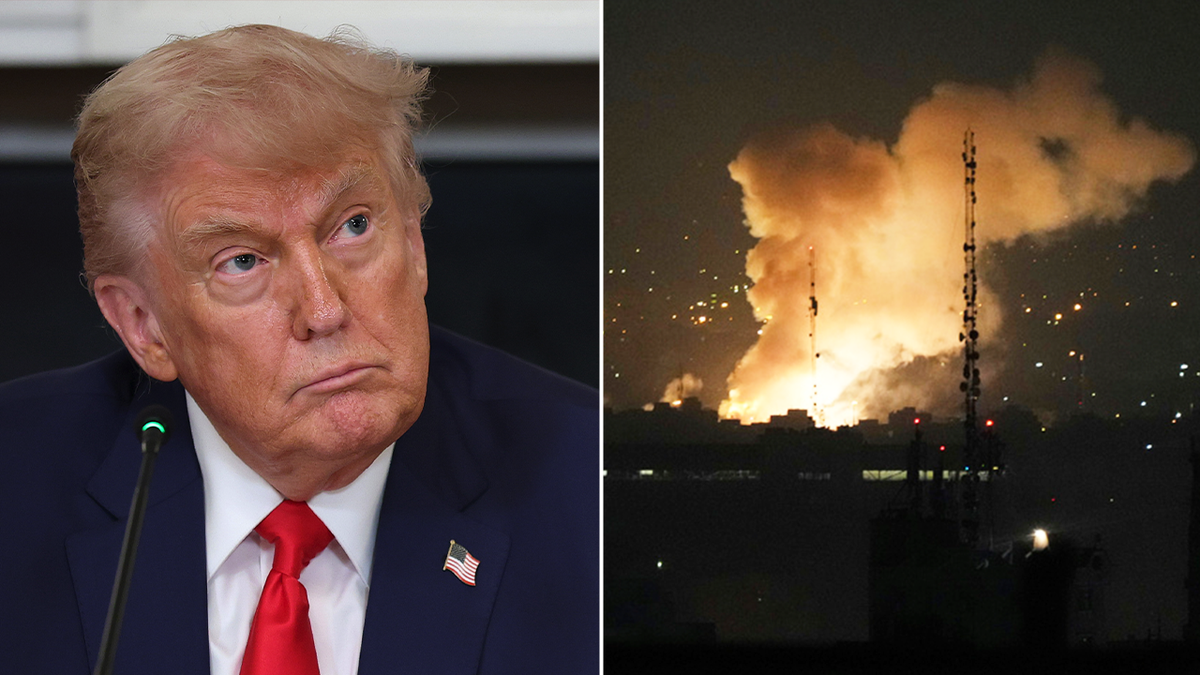
Donald Trump isn't known for subtle diplomacy, and his latest ultimatum to Tehran is about as blunt as it gets. He's given Iran until Tuesday night to reopen the Strait of Hormuz or face the systematic destruction of their national infrastructure. In an interview with the Wall Street Journal published Sunday, April 5, 2026, Trump made it clear that if the waterway isn't cleared for shipping by 8:00 PM Eastern Time on Tuesday, the U.S. military will start knocking out power plants and bridges.
This isn't just another social media rant. The Strait of Hormuz is the world's most important oil chokepoint, and it's been effectively shut down for five weeks. With global energy markets screaming and U.S. petrol prices hitting $4.11 a gallon—a massive jump from under $3 before the strikes began—the White House is under immense pressure to break the deadlock.
The high stakes of the 48 hour window
Trump's "Tuesday night" deadline is the culmination of a month-long crisis that began with coordinated U.S. and Israeli strikes on February 28, which reportedly resulted in the death of Iran's Supreme Leader. Since then, the Iranian Revolutionary Guard Corps (IRGC) has used mines, drones, and GPS jamming to turn the Strait into a no-go zone.
Right now, roughly a fifth of the world's oil and natural gas is trapped. Tanker traffic has dropped to near zero. While Trump told Fox News there's a "good chance" for a deal by Monday, his Truth Social posts tell a more aggressive story. He’s promised that Tuesday will be "Power Plant Day" in Iran if they don't blink.
What happens if Iran doesn't budge
If the deadline passes without the IRGC pulling back, we’re looking at a massive escalation. Trump has explicitly threatened:
- Power Plants: Targeting the electrical grid to paralyze the country.
- Bridges: Cutting off internal logistics and troop movements.
- Petrochemical Hubs: Following Israel's lead, which already struck a major facility in Khuzestan last Saturday.
Tehran hasn't stayed silent. Iranian officials have already labeled these threats as "incitement to war crimes" and "terrorism against civilians." Their parliamentary speaker, Mohammad Baqer Qalibaf, warned that Trump is dragging the U.S. into a "living hell."
Why this deadline is different
Usually, these international standoffs involve months of back-and-forth at the UN. But the situation on the ground in April 2026 is moving too fast for traditional diplomacy.
First, there’s the rescue factor. The U.S. just finished a high-stakes operation to extract two airmen from an F-15E that was downed inside Iranian territory. With the pilots safe, the Pentagon has one less reason to hold back. Second, Israel is already Revving its engines. Senior Israeli defense officials have confirmed they’re ready to hit Iranian energy facilities next week and are essentially just waiting for the green light from Washington.
The Russia and China factor
You can't talk about Iran without talking about their friends. Russia and China recently joined Iran for live-fire naval drills—"Maritime Security Belt"—just outside the Strait. While these drills are framed as "cooperation," the timing is a blatant message to the U.S. Navy's 5th Fleet. If Trump follows through on his Tuesday threat, he isn't just poking the Iranian bear; he’s testing the patience of Moscow and Beijing, who rely on this oil just as much as anyone else.
The immediate economic impact
If you're wondering why your gas bill is soaring, look at the "force majeure" declarations coming out of the Gulf.
- Qatar: Stopped gas production and declared force majeure in early March.
- Kuwait and UAE: Have significantly cut production because they can't get the product out of the Gulf.
- Iraq: Shut down operations at the Rumaila field because they ran out of storage space for oil that wasn't moving.
Wall Street is already reacting. The S&P 500 is on a five-week losing streak. If Tuesday night comes and goes with bombs falling on Iranian power plants instead of tankers moving through the Strait, $4.11 a gallon will look like a bargain.
What to watch for next
Don't expect a quiet 48 hours. Trump is scheduled to hold a news conference from the Oval Office on Monday alongside military leadership. That will be the final signal. If he stays the course, the U.S. will likely use precision strikes to avoid a full-scale ground invasion while trying to "break" the Iranian government's ability to function.
Iran’s move? They’ve threatened to retaliate against regional infrastructure like desalination plants in neighboring Gulf states. If the Strait doesn't open, the entire Middle East could see its utility infrastructure—water and power—systematically dismantled on both sides of the water.
Watch the shipping trackers on Tuesday afternoon. If the tankers don't start moving by 8:00 PM Eastern, the "Bridge Day" Trump promised is likely to become a reality. Prepare for a volatile week in the energy markets and keep an eye on the official White House briefings for any last-minute extensions—though given the rhetoric, Trump seems set on this Tuesday cutoff.