The headlines are screaming about a "softening" on Tehran. The pundits are busy weeping over the "collapse of maximum pressure." They are wrong. They are looking at the chessboard through the lens of 1990s diplomacy while the world has shifted to a brutal, energy-centric reality where the only currency that matters is liquid gold.
Lifting sanctions on millions of barrels of Iranian oil isn't a white flag. It is a calculated demolition of OPEC+’s grip on the global economy. It is a predatory pricing move designed to bankrupt the very adversaries who thought they could hold the West hostage with $100 crude.
The Myth of the Strategic Pivot
Most analysts claim this move is about "regional stability" or a "diplomatic olive branch." That is high-level nonsense. Governments do not play nice with regimes like the one in Tehran out of the goodness of their hearts. They do it because they need a weapon.
In this case, the weapon is supply.
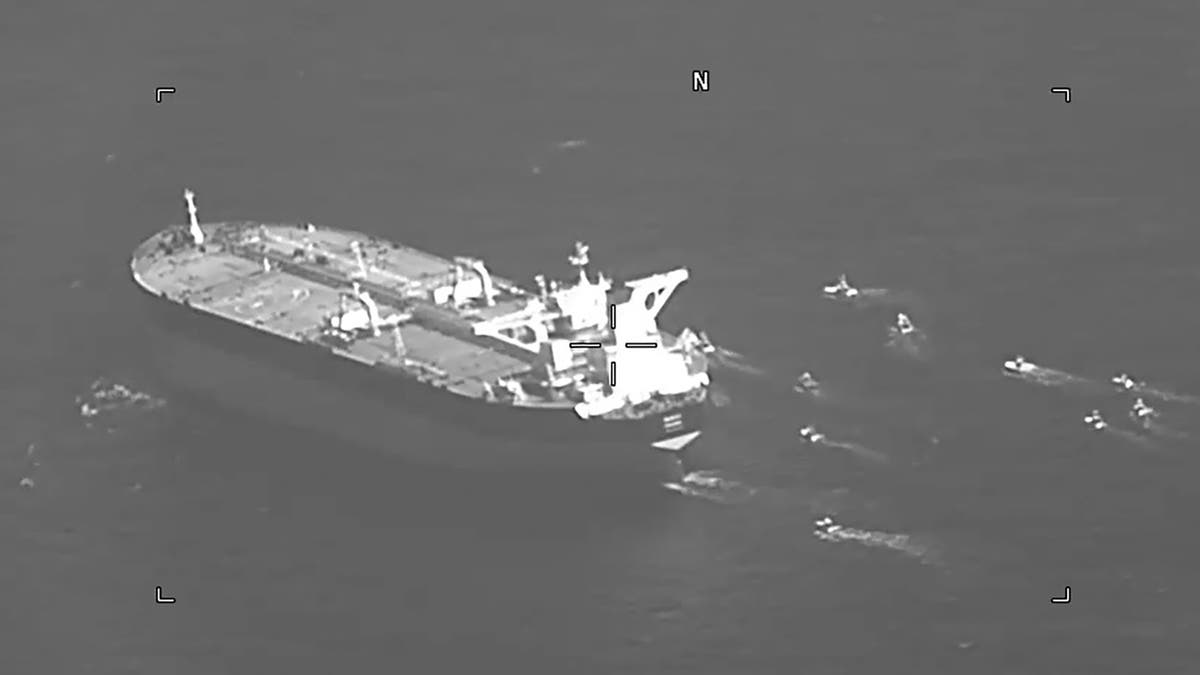
By flooding the market with Iranian barrels, the administration is effectively engaging in a price war by proxy. For years, the "lazy consensus" among energy experts was that keeping Iranian oil off the market was the only way to squeeze the regime. I’ve seen analysts in DC boardrooms argue this for a decade while ignoring the massive, leaking "ghost fleet" that moved Iranian oil to China anyway.
The sanctions weren't stopping the oil; they were just ensuring the U.S. had zero control over where it went and who profited. Bringing those barrels into the light crashes the premium that "dark" oil commands and, more importantly, it nukes the price floor that Russia and the Saudis have fought so hard to maintain.
Why the "Maximum Pressure" Crowd is Living in the Past
The old guard argues that sanctions are a binary switch: On equals good, Off equals surrender. This is a fundamental misunderstanding of economic warfare.
When you keep a major producer under total embargo, you create a scarcity premium. You make every other barrel in the world more valuable. You inadvertently fund the war chests of every other oil-producing autocracy.
By removing the sanctions, you trigger a race to the bottom.
- Inventory Surpluses: The sudden influx of millions of barrels creates a physical glut that storage facilities cannot handle.
- Margin Compression: When supply outstrips demand, the cost of extraction for high-cost producers (like those in the Siberian tundra) becomes higher than the market price.
- OPEC Irrelevance: If Iran can sell freely, they have no incentive to follow OPEC production quotas. They will pump every drop to make up for years of lost revenue, effectively breaking the cartel from the inside.
This isn't a gift to Iran. It is a death sentence for the price-fixing power of the global oil elite.
The Math of the $60 Barrel
Let’s talk numbers. The breakeven price for many Russian projects is estimated to be between $40 and $60. For American shale, technological efficiencies have pushed that number even lower in some basins.
If the administration can force the global price of Brent down to $55 by saturating the market with Iranian and Venezuelan supply, they effectively defund the Russian military machine more efficiently than any direct sanction ever could.
$$Price - Cost = Profit$$
If you can’t change the Cost, you must destroy the Price.
The competitor's article focuses on the "moral hazard" of dealing with Tehran. I focus on the "economic reality" of a world that runs on diesel. If you want to win a modern war, you don't use bullets first; you use the commodity markets to starve your opponent's bank account.
The Ghost Fleet Reality Check
Critics will say we are "giving up" on stopping Iran’s nuclear ambitions. This ignores the fact that the "Ghost Fleet"—a shadowy network of aging tankers—has been successfully circumventing U.S. sanctions for years.
I’ve tracked the satellite data. I’ve spoken to the insurers who look the other way. The oil was already moving. The only difference now is that the U.S. Treasury can actually see the transactions.
- Transparency over Secrecy: Formalizing these sales allows for oversight of the banking channels.
- Dollar Dominance: By bringing Iran back into the formal market, you force them to interact with the SWIFT system or its proxies, keeping them tethered to the U.S. dollar's sphere of influence.
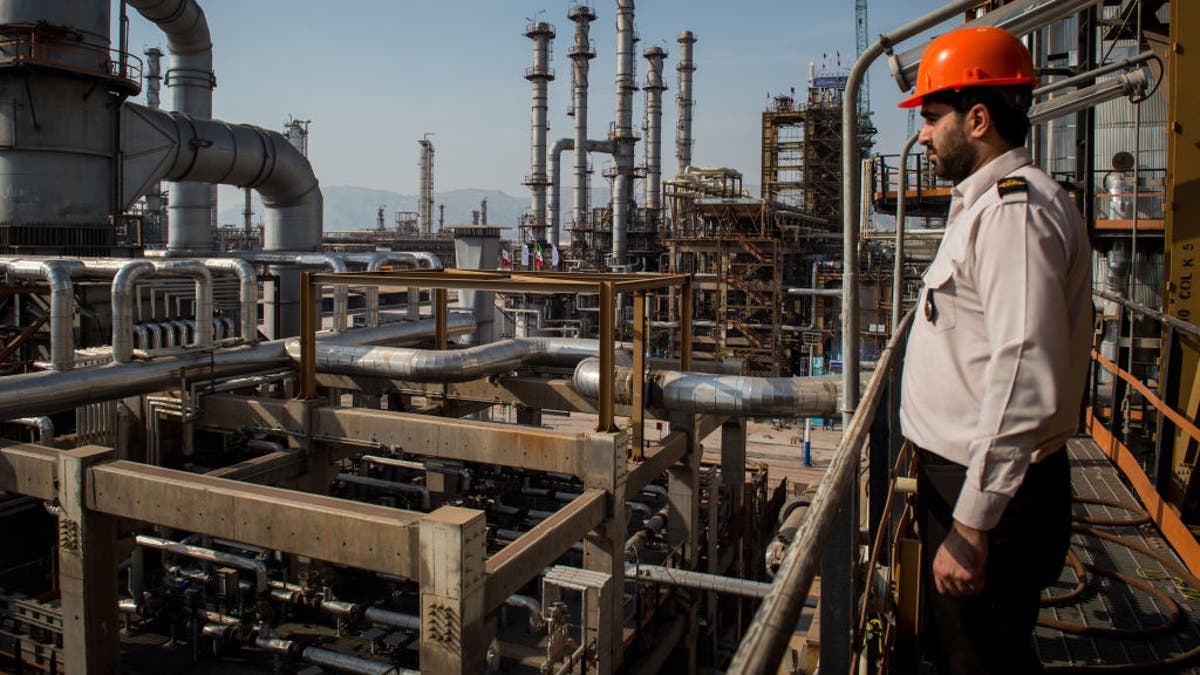
- Infrastructure Decay: Years of sanctions have left Iran's oil infrastructure in shambles. They need Western tech to keep pumping at scale. This creates a new form of leverage—technological dependency—which is far harder to break than a simple trade embargo.
The Counter-Intuitive Truth: Low Prices are the Ultimate Sanction
Imagine a scenario where the U.S. keeps the sanctions on. Oil hits $120. Every American family feels the burn at the pump. Inflation spirals. The incumbent government loses the next election. Russia clears $500 million a day in extra revenue.
Now, imagine the "controversial" alternative. You lift the sanctions. Oil drops to $65. Inflation cools. The domestic economy booms. Russia’s revenue is cut in half.
Which one is the "tougher" policy?
The "lazy consensus" loves the optics of being "tough" even when it’s counter-productive. Real power is knowing when to use the market to do your dirty work. This isn't about liking the Iranian regime. It's about using them as a tool to reset the global energy hierarchy.
The Risks Nobody Wants to Admit
Is there a downside? Of course. This is a high-stakes gamble.
- Regime Enrichment: Yes, the Iranian government will have more cash in the short term. But they are inheriting a broken economy with 40% inflation. That "new" money will be swallowed by domestic instability before it ever reaches a centrifuge.
- Shale Shock: American producers hate low prices. If the administration goes too far, they risk putting their own shale patch out of business.
- The Geopolitical Rebound: If the Saudis feel slighted, they could pivot even harder toward the BRICS alliance.
But these are manageable risks compared to the slow-motion train wreck of a high-interest, high-inflation economy fueled by artificial energy scarcity.
The Actionable Reality for Investors
Stop listening to the political theater.
If you are an investor, you need to look at the long-term deflationary pressure this move exerts. Commodities are about to enter a period of extreme volatility. The era of "easy oil" profits is over. The companies that will thrive are those with the lowest lifting costs and the best hedging strategies.
The administration didn't "blink." They just changed the game. They realized that in a world of fractured alliances, the biggest stick you can carry isn't a carrier group—it's a massive, unyielding supply of cheap energy that makes your enemies' primary export worthless.
Stop asking if this is "moral." Start asking if it's effective.
By the time the rest of the world realizes what happened, the price of crude will be in the basement, and the "energy weapon" used by our adversaries will have backfired spectacularly.
Check the tickers. Watch the spreads. The market doesn't care about your political takes. It only cares about volume. And the volume is coming.