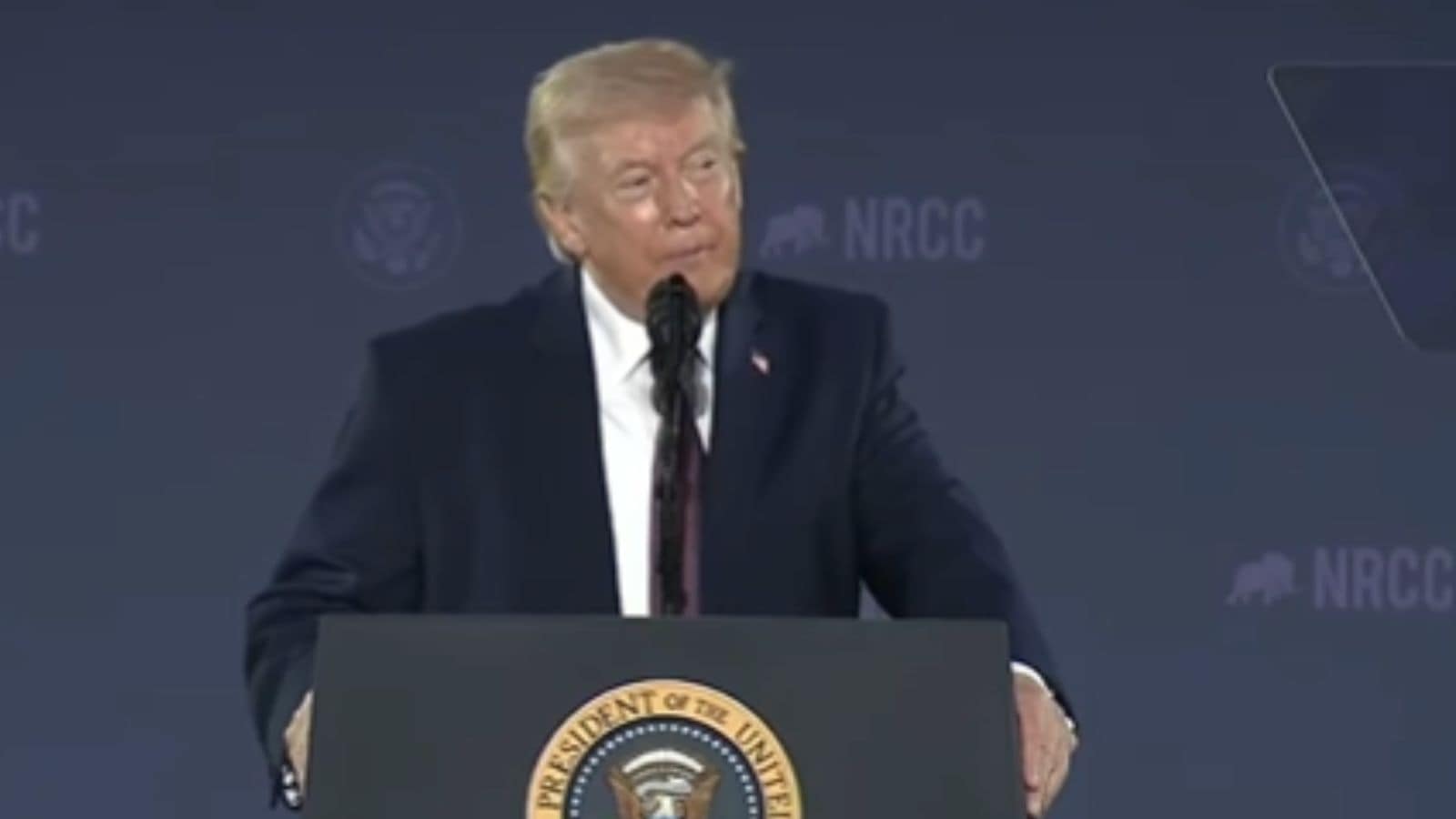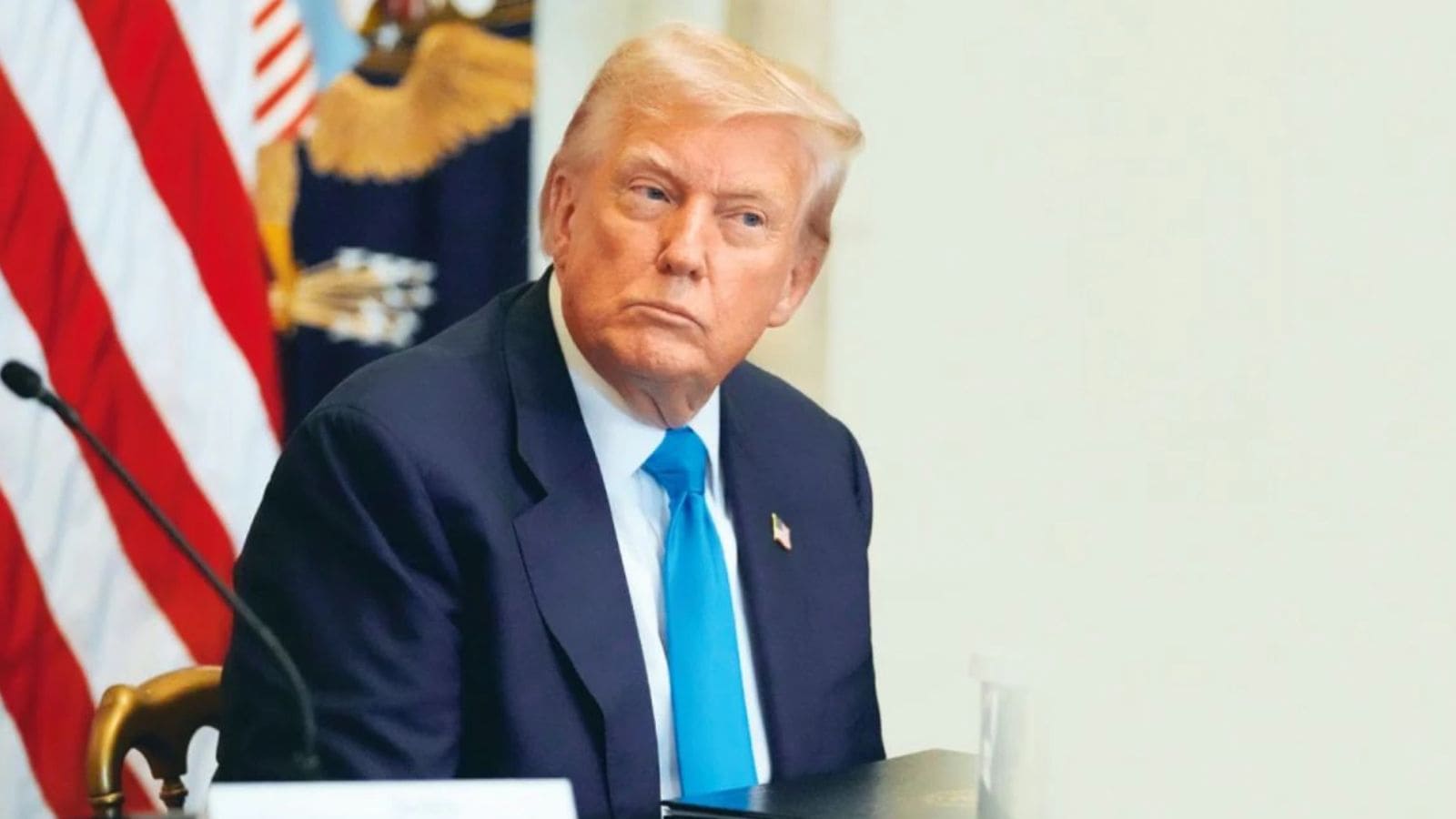
Donald Trump just gave the world a blunt reality check on the shadow war with Iran. In a series of high-octane posts and public remarks on March 26, 2026, the President claimed that Iranian negotiators aren't just talking—they’re "begging" for a deal. It’s a massive pivot from the "strategic patience" of the past decade. Trump's logic is simple: after weeks of the most intense military pressure in modern history, Tehran has nowhere left to run.
You’ve likely seen the headlines about a 15-point peace plan being passed through Pakistan. While Iranian Foreign Minister Abbas Araghchi is busy telling state TV that there are "no direct negotiations," Trump is calling their bluff. He’s essentially saying the regime is playing a double game—acting tough for their domestic audience while privately panicking because their military infrastructure is, in his words, "obliterated." Don't forget to check out our previous article on this related article.
The reality of military obliteration
When Trump says Iran has "zero chance of a comeback," he isn’t just using his typical hyperbole. The facts on the ground since Operation Epic Fury began on February 28 tell a brutal story. This wasn't a surgical strike; it was a decapitation.
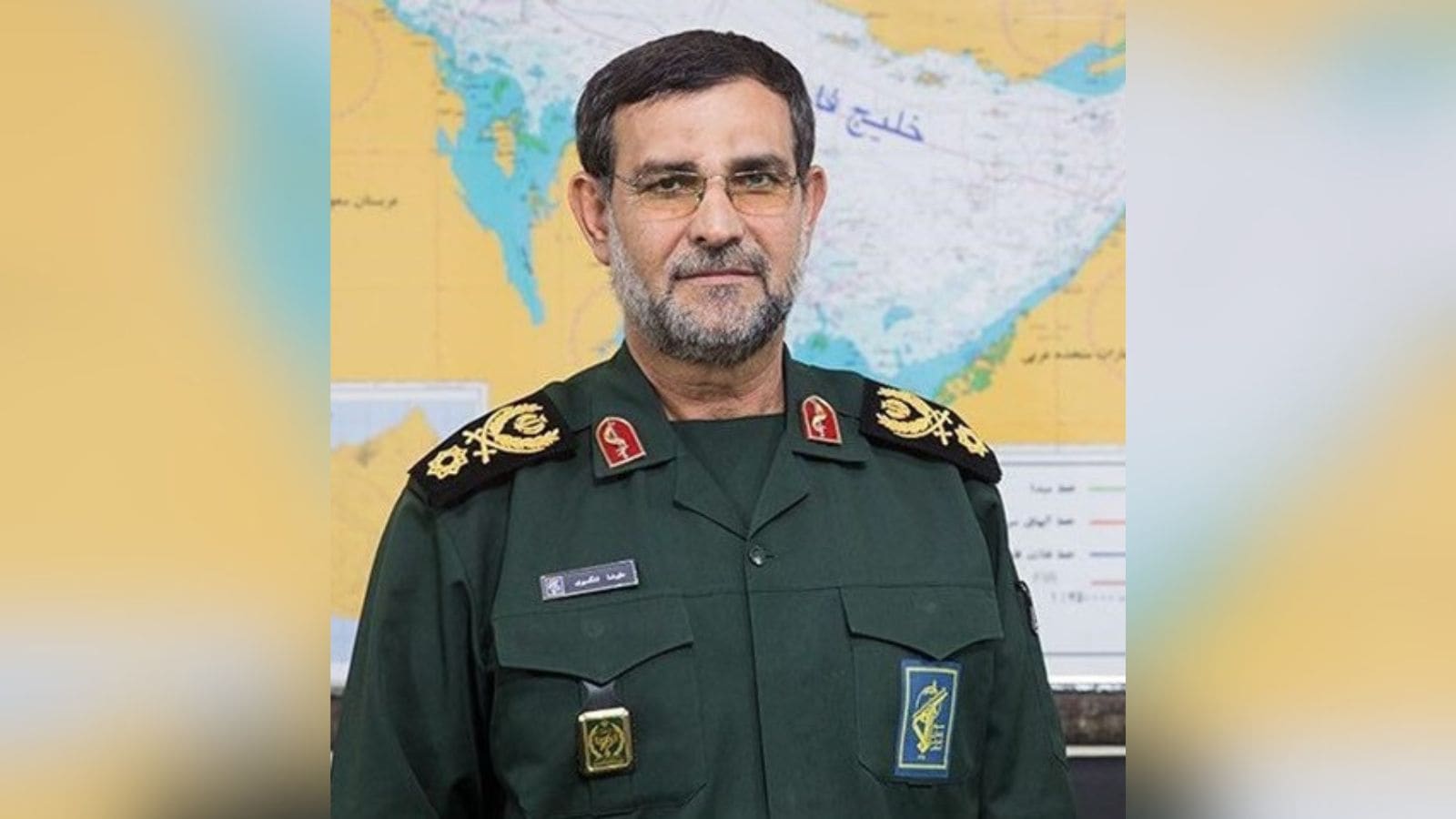
- Command Collapse: The first wave of strikes killed Supreme Leader Ali Khamenei and dozens of top-tier IRGC officials.
- Missile Mayhem: Reports indicate the US and Israel have destroyed or rendered useless over 330 of Iran’s 470 ballistic missile launchers.
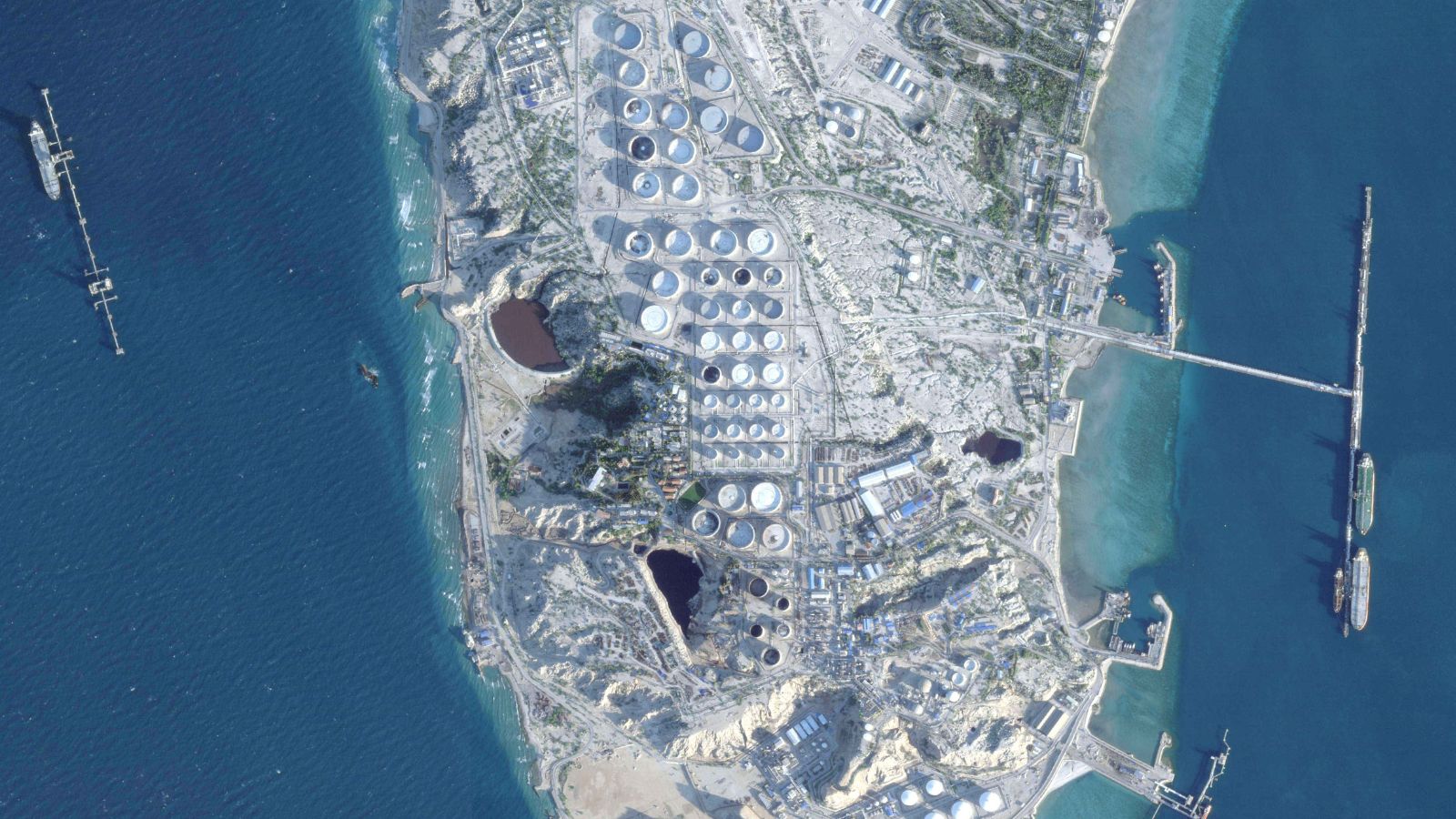
- Naval Neutralization: The Iranian Navy, once a constant threat in the Persian Gulf, has been largely wiped out.
If you’re sitting in Tehran right now, you aren't looking at a "stalemate." You’re looking at a burning house. That’s why Trump’s "begging" comment carries weight. He’s betting that the internal pressure from a collapsing economy and a shattered military will force a surrender before his March 27 deadline. If you want more about the history of this, NBC News provides an in-depth summary.
Inside the 15 point peace plan
So, what does "getting serious" actually look like? The US proposal isn't a tweak of the old JCPOA. It’s a total overhaul. Based on leaks from Pakistani and Egyptian intermediaries, the plan demands things that would have been unthinkable two years ago.
The core of the deal includes a complete rollback of the nuclear program—no "peaceful enrichment" loopholes this time. It also demands the permanent reopening of the Strait of Hormuz. For a regime that uses the Strait as its only real geopolitical lever, giving that up is a bitter pill. But with 20% of the world’s oil supply at stake and the global economy shaking, Trump isn't offering many options.
The Iranians have shot back with their own five-point counter-demand. They want reparations for war damages and a "remorseful" apology from Washington. Honestly, if you know anything about this administration, you know an apology is the one thing they’ll never get.
The strange world of Iranian negotiators
Trump called the Iranian team "very different and strange." That’s a classic Trumpism, but it points to a real shift in who’s actually running the show in Tehran. With the old guard largely gone or in hiding, the power has shifted toward figures like Mohammad Bagher Ghalibaf.
There’s a massive disconnect between the public defiance and the back-channel desperation. Iranian officials are terrified. They’re afraid of being killed by the US if they don't sign, and they’re afraid of being killed by their own people if they do. This "fear of the street" is a huge factor. The Iranian public is exhausted by the war, the displaced millions, and the skyrocketing cost of living.
No turning back
The most chilling part of Trump’s warning was the phrase "NO TURNING BACK." He’s setting a hard ceiling on diplomacy. If a deal isn't struck "before it is too late," the next phase likely involves hitting Iran's power plants and remaining industrial hubs.
White House Press Secretary Karoline Leavitt wasn't pulling punches when she said the President is "prepared to unleash hell." This isn't just a negotiation; it’s an ultimatum. The US has the leverage of a booming economy and a military that just proved it can strike any target in Iran with impunity.
If you’re tracking this for your business or your portfolio, watch the March 27 deadline closely. Oil markets are already pricing in the volatility of the Strait of Hormuz being closed. A deal would send prices tumbling; a failure would send them to the moon.
Stop waiting for a "balanced" diplomatic dance. We’re past that. Either the Iranian regime accepts the 15 points and survives as a diminished power, or they hold out for "sovereignty" and watch the rest of their infrastructure vanish.
If you want to stay ahead of the next market shift, keep a close eye on the Pakistani diplomatic cables over the next 24 hours. That’s where the real deal—or the final breakdown—will happen.