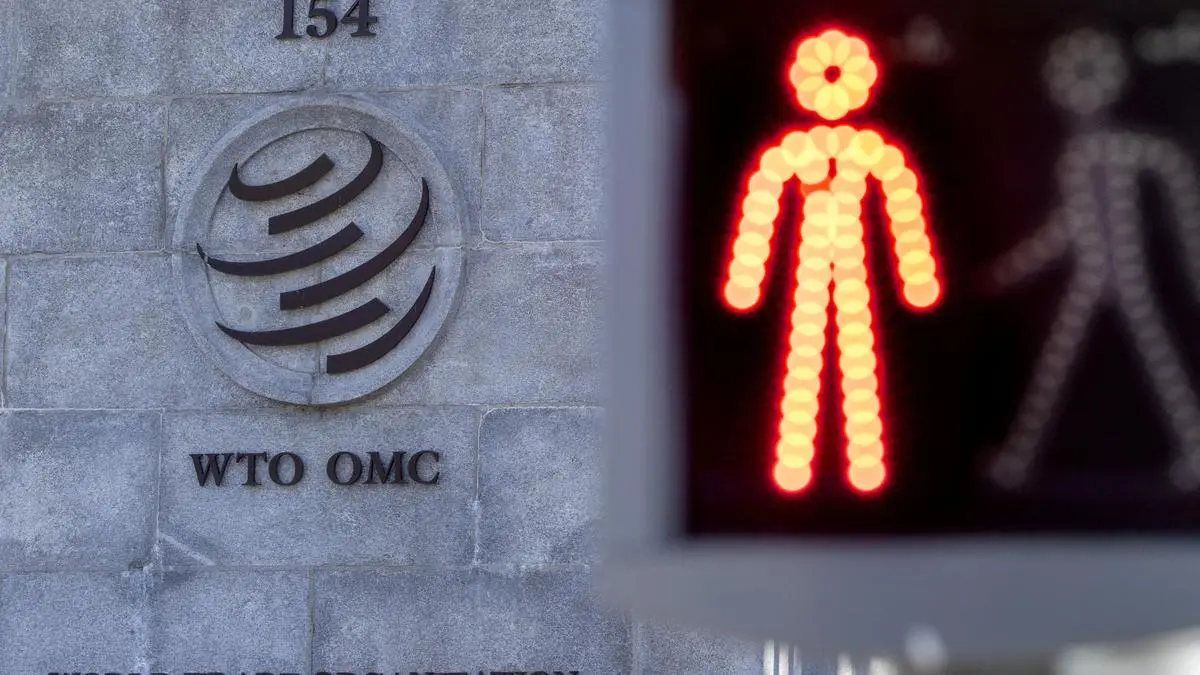
The World Trade Organization is stuck. If you've followed global economics lately, you know the Genevian halls of the WTO feel more like a museum than a command center for modern commerce. The dream of a single, unified set of rules for the entire planet is dying a slow, bureaucratic death. We’re watching a massive pivot in real-time as countries stop waiting for a miracle in Switzerland and start cutting their own deals.
This isn’t just a minor administrative hiccup. It’s a fundamental breakdown. For years, the WTO functioned as the "supreme court" of international trade. If one country cheated on tariffs or dumped cheap goods into another market, there was a clear path to justice through the Appellate Body. Today, that body is paralyzed. The U.S. has blocked new judge appointments for years, effectively gutting the organization’s ability to enforce its own rules.
When the referee leaves the pitch, the players start making up their own rules. That’s exactly what we’re seeing now.
The Appellate Body Paralysis and the Rise of Mini-Laterals
The core of the WTO reform deadlock lies in the dispute settlement mechanism. Without a functioning appeals process, a country can simply "appeal into the void." They lose a case, file an appeal, and because there are no judges to hear it, the ruling never becomes binding. It’s a legal loophole big enough to sail a container ship through.
Because of this, we're seeing the rise of "mini-lateral" agreements. Instead of 164 countries trying to agree on digital trade or environmental subsidies—which is basically impossible—smaller groups are moving ahead. Take the Multi-Party Interim Appeal Arbitration Arrangement (MPIA). This is a temporary fix created by the EU and several other nations to bypass the U.S. blockade. It’s a "coalition of the willing" approach to international law.
But the MPIA is just a band-aid. The real action is happening in bilateral and regional scraps.
Countries are looking at the WTO’s inability to modernize and deciding they can’t wait. The original WTO rulebook was written before the iPhone existed. It barely touches on data privacy, cloud computing, or artificial intelligence. If you’re a mid-sized economy trying to secure your tech sector’s future, the WTO is basically useless to you right now.
Digital Trade is the New Frontier
Digital commerce is where the deadlock hurts most. Global data flows are the lifeblood of the 2026 economy, yet the WTO still struggles to define what a digital "good" even is. While the big players argue in Geneva, others are signing the Digital Economy Partnership Agreement (DEPA).
Chile, New Zealand, and Singapore didn't wait for a consensus. They built a modular agreement that other countries can join in pieces. It covers everything from e-invoicing to fintech. This is the new blueprint. Instead of a "grand bargain" where everyone agrees on everything, we’re moving toward a "menu-based" trade system. You pick the modules that work for your economy and skip the ones that don't.
This fragmentation has a dark side. It creates a "spaghetti bowl" effect. If you’re a small business owner trying to export, you now have to navigate five different sets of rules for five different regions instead of one global standard. It’s inefficient. It’s expensive. Honestly, it’s a mess.
National Security as the Ultimate Trade Barrier
We also have to talk about the "national security" exception. This used to be the nuclear option in trade law—something you only used in actual wartime. Now, it’s used for everything from semiconductors to electric vehicle batteries.
The WTO was designed to lower barriers. But in a world where trade is weaponized, the WTO’s rules feel naive. When the U.S. or China imposes export controls on high-end chips, they aren't thinking about WTO compliance. They're thinking about geopolitical survival.
The deadlock remains because the world’s two largest economies have fundamentally different visions of what "reform" looks like. Washington wants a system that can actually discipline non-market economies (read: China). Beijing wants a system that protects its developing nation status and its state-led economic model. These two positions aren't just far apart; they’re mutually exclusive.
What the Alternative Options Look Like
So, where do countries go when they give up on Geneva? They go to the CPTPP. They go to the RCEP. Or they go to "friend-shoring."
Friend-shoring is the most significant trend of the last three years. It’s the intentional shifting of supply chains to countries that share your political values. It’s trade based on trust rather than just price.
Regional Comprehensive Economic Partnership (RCEP)
This is currently the world’s largest trade bloc. It’s led by China and includes much of Southeast Asia, along with Australia and Japan. It’s not as "deep" as the WTO dreams of being—it doesn't have high standards for labor or the environment—but it works. It’s pragmatic. It lowers tariffs on goods and provides a stable framework for a massive chunk of the global population.
Comprehensive and Progressive Agreement for Trans-Pacific Partnership (CPTPP)
This is the "gold standard" agreement that the U.S. famously walked away from. It has much stricter rules on state-owned enterprises and digital trade. It’s become the "cool kids' club" of trade. Even the UK joined it recently, despite being nowhere near the Pacific.
Bilateral "Critical Minerals" Deals
We’re seeing a surge in hyper-specific deals. These aren't broad free trade agreements. They're targeted strikes. The U.S. and Japan, for example, signed a deal specifically on battery minerals. It’s narrow, it’s fast, and it completely ignores the WTO framework.
The Cost of a Weakened WTO
Don't let the growth of these regional deals fool you. A world without a strong WTO is a more dangerous world for small and developing nations.
In the WTO, a small country like Uruguay has the same legal standing as the United States. In a bilateral deal, the bigger country always wins. Might makes right. That’s the reality of the "other options" countries are seeking. If you’re a small economy, you're essentially forced to pick a side and hope your "big brother" trading partner doesn't change their mind when a new administration takes office.
The deadlock also means we have no global way to handle the "green trade war." As countries like the EU implement Carbon Border Adjustment Mechanisms (CBAM), they’re essentially taxing the carbon footprint of imports. Without the WTO to mediate, these green taxes will likely trigger a wave of retaliatory tariffs. We’re headed for a period where "saving the planet" becomes a convenient excuse for protectionism.
Moving Toward a Plurilateral Reality
The era of the "Single Undertaking"—the idea that nothing is agreed until everything is agreed—is over. It’s dead.
Future trade growth will come from plurilateral agreements. These are deals where a subset of WTO members agrees on specific topics, like environmental goods or services domestic regulation, and leaves the door open for others to join later.
It’s not as clean as the old system. It's patchy. But it’s the only way forward.
If you're managing a business or advising on policy, stop waiting for the WTO to fix itself. It won't happen this year, and it probably won't happen this decade. The focus has shifted to regional blocks and sector-specific deals.
Start by auditing your supply chain for "geopolitical resilience." If your trade strategy relies on WTO rules to protect you from sudden tariff hikes or export bans, you’re exposed. Look toward the specific terms of the RCEP or CPTPP if you operate in those regions. Those are the rules that actually matter on the ground today. The real trade law isn't being written in Geneva anymore; it's being written in small rooms in Singapore, Brussels, and Washington. Diversify your trade legal strategy now or get caught in the deadlock.