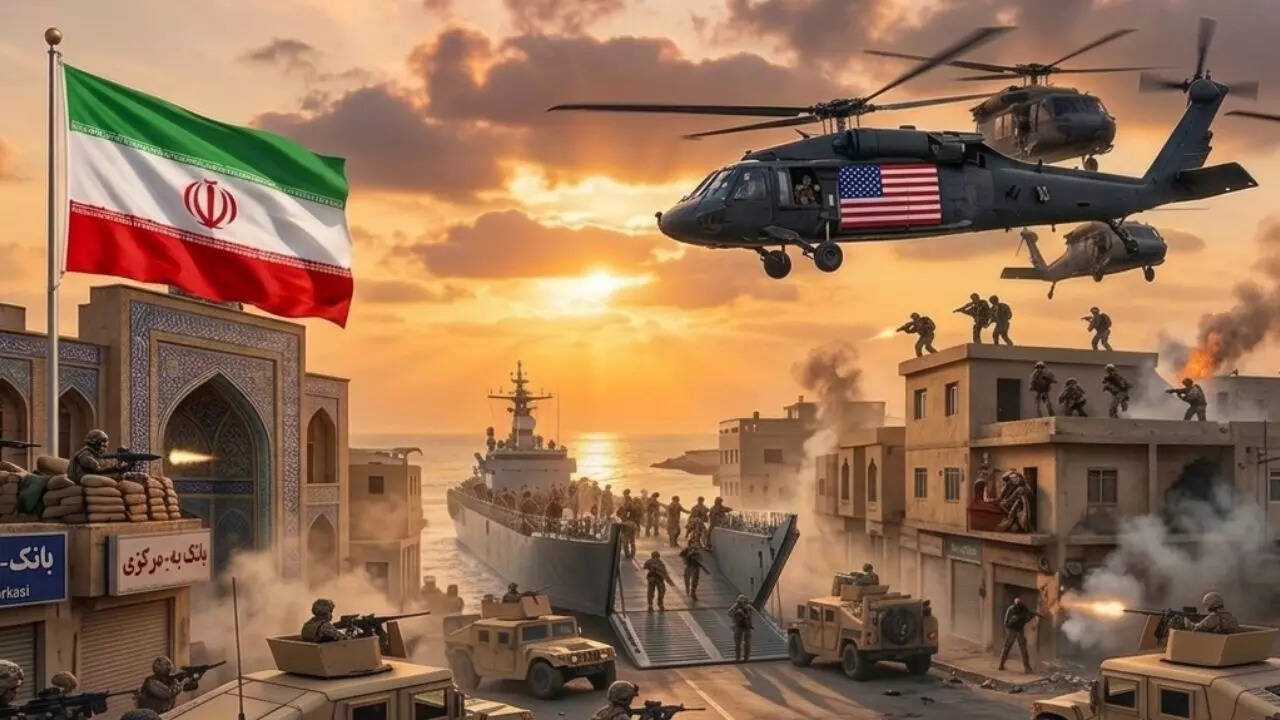
The United States is currently burning through roughly $1 billion every single day to maintain a military campaign in Iran that has no defined finish line and no clear consensus on what "victory" actually looks like. While the administration points to the tactical destruction of nuclear facilities during Operation Midnight Hammer, the strategic reality on the ground is far more volatile. Washington’s goals have quietly migrated from "stopping a bomb" to "regime decapitation," yet the Iranian leadership remains entrenched, consolidated, and arguably more radicalized than before the first Tomahawk missiles crossed the border.
The Invisible Price Tag of Operation Epic Fury
The financial hemorrhage is staggering. In the first week of the assault alone, the Pentagon burned through $11.3 billion—a figure that surpasses the entire annual budget of the Environmental Protection Agency. This isn't just a matter of munitions; it is a massive logistical tax on the American public.
- Interceptor Costs: A single Iranian missile can require up to 11 Patriot interceptors to guarantee a hit. At $4 million per interceptor, the U.S. is spending $44 million to stop a projectile that likely cost Tehran less than a tenth of that amount.
- Carrier Groups: Operating two aircraft carrier groups and their supporting naval curtains costs approximately $60 million daily.
- Infrastructure Losses: The alleged destruction of a $1.1 billion radar system in Qatar by Iranian retaliation adds a layer of replacement costs that the initial budget requests failed to mention.
This "pay-as-you-go" war is increasingly colliding with domestic realities. The same administration pushing for a $50 billion emergency supplemental to replenish missile stocks has simultaneously overseen a spike in domestic energy costs. With crude oil hovering above $100 a barrel and the Strait of Hormuz effectively a no-go zone, the promise of "energy dominance" is being tested by the reality of global supply shocks.
Shifting Goalposts and Strategic Drift
The central problem with the current campaign is the lack of a static objective. When President Trump authorized the first strikes in 2025, the rationale was the "total obliteration" of the Iranian nuclear program. By early 2026, after the assassination of Ayatollah Ali Khamenei and the launch of Operation Epic Fury, the narrative shifted. The focus moved to degrading missile capacity and "supporting the Iranian people" through regime change.
However, intelligence suggests that the Iranian regime is not collapsing. Instead, it is hardening. The leadership vacuum created by the strikes has been filled by a younger, more aggressive cadre of the Islamic Revolutionary Guard Corps (IRGC). These figures have little interest in the "fair and balanced" deal Trump keeps mentioning on social media. They are playing a game of attrition, banking on the idea that the American public will lose its appetite for a billion-dollar-a-day conflict long before the IRGC loses its grip on power.
The Diplomacy Vacuum
While Jared Kushner and Steve Witkoff handle indirect talks through Omani intermediaries, the diplomatic track is essentially a ghost ship. There is no institutional apparatus backing these negotiations. Unlike the multi-year effort that led to the 2015 agreement, current "diplomacy" consists of ad-hoc messages exchanged in Muscat while B-52s remain in the air.
The Conflict of Interests
The administration's approach is being pulled in three different directions:
- The Maximalists: Led by regional allies like Israel, this group wants nothing less than the total dismantling of the Iranian state.
- The Deal-Makers: Trump himself appears to want a "narrow" nuclear deal—a "Trump Deal"—that he can sign and walk away from, regardless of whether it addresses ballistic missiles or regional proxies.
- The Pragmatists: Gulf neighbors like Qatar and Turkey are terrified of a total Iranian collapse, which would send millions of refugees across their borders and permanently destabilize the global energy market.
The Economic Multiplier in Reverse
Every dollar funneled into the Persian Gulf is a dollar stripped from domestic priorities. The "guns vs. butter" debate is no longer an academic exercise; it is a kitchen-table issue. The $25 billion spent in the last few weeks could have fully funded the WIC nutrition program for five years or cleared the student loan debt of 300,000 people.
Instead, that capital is being converted into kinetic energy over Tehran. The economic multiplier of infrastructure spending—roads, bridges, and ports—is well-documented. The economic multiplier of a Tomahawk missile is zero. Once it explodes, the value is gone, leaving only a hole in the federal budget and a request for a replacement.
China and the Shadow Lifeline
While the U.S. bombs, China watches. Beijing remains the primary buyer of Iranian "shadow fleet" oil, using the renminbi-based CIPS system to bypass Western sanctions. Even with damaged infrastructure, Iran is finding ways to export enough crude to keep its core security apparatus funded.
By pushing Iran into a corner, the U.S. is effectively handing China a permanent, discounted energy source and a strategic partner that has no choice but to align with Beijing’s interests. If the goal was to "Put America First," creating a permanent Sino-Iranian alliance seems like a massive unforced error.
The current trajectory suggests a low-intensity, high-cost standoff that could last years. The administration needs to decide if it is fighting a war to end a program or a war to end a nation. Without a clear answer, the U.S. is simply subsidizing a regional fire that it can no longer afford to put out.
Would you like me to analyze the specific impact of the Strait of Hormuz closure on 2026 global shipping rates?