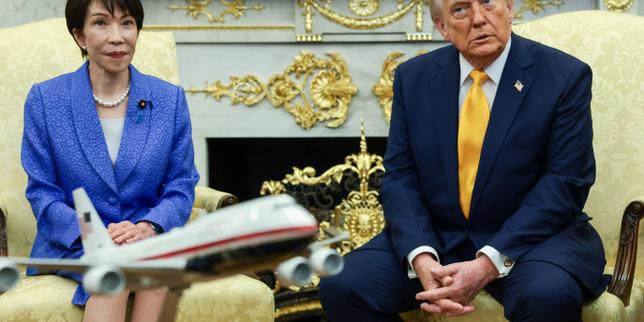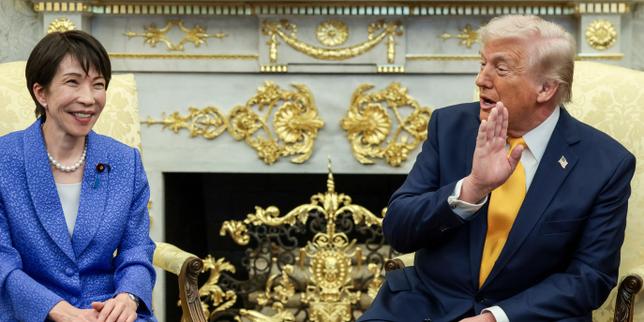
The cameras captured exactly what the handlers wanted. You saw the firm handshakes, the rehearsed smiles, and the usual talk of a "global partnership" between the United States and Japan. On the surface, the recent summit in Washington looked like a victory lap for diplomacy. But if you look past the polished press releases, you'll see a relationship strained by a fundamental disagreement over how to handle Iran. It's the kind of friction that doesn't just go away with a fancy state dinner.
While the two nations are closer than ever on containing China's influence in the Indo-Pacific, their paths diverge sharply when the conversation shifts to the Middle East. Japan needs oil. The U.S. wants isolation. These two goals are currently on a collision course.
Why Japan Can't Just Follow the U.S. Lead on Iran
Japan plays a different game than the U.S. does. For Washington, Iran is a primary adversary, a "rogue state" that must be neutralized through crushing economic sanctions and diplomatic shunning. For Tokyo, Iran is a vital energy partner and a piece of a much larger stability puzzle.
Japan imports nearly 90% of its oil from the Middle East. Even though they've cut back on Iranian crude to please their American allies, they simply can't afford a total blow-up in the region. They see themselves as a bridge. Unlike the U.S., Japan has maintained a long-standing, relatively functional relationship with Tehran. Prime Minister Kishida isn't just being "cordial"—he's trying to prevent a regional war that would effectively bankrupt his country's energy sector.
The U.S. often views this "bridge" strategy as a weakness. From the Oval Office, any engagement with Tehran looks like a crack in the maximum pressure shield. This is where the tension lives. It’s not about a lack of friendship. It’s about survival vs. strategy.
The China Factor is the Glue Keeping This Together
If it weren't for the shared anxiety over Beijing, this Iran disagreement might be a much bigger deal. The reality is that both leaders know they need each other too much to let Middle Eastern policy wreck the ship.
We are seeing a massive shift in how Japan views its own defense. For decades, the "Pacifist Constitution" was the gold standard. Not anymore. Tokyo is doubling its defense spending and buying American Tomahawk missiles. They’re scared. They see what’s happening in the South China Sea and they realize that without a rock-solid U.S. security guarantee, they are incredibly vulnerable.
This creates a weird dynamic. Japan is essentially paying for U.S. protection in the Pacific by biting its tongue on U.S. policy in the Middle East. It’s a trade-off. You give us the hardware and the troops to keep China at bay, and we’ll try to keep our disagreements about Iranian oil to a minimum—at least in public.
The Problem With Maximum Pressure
The U.S. strategy of "maximum pressure" hasn't exactly produced a more stable Iran. If anything, it’s pushed Tehran closer to Moscow and Beijing. This is Japan's nightmare scenario. They don't want an "Axis of Adversaries" that controls both the energy of the Middle East and the shipping lanes of Asia.
I've talked to analysts who argue that Japan’s approach is actually more pragmatic. By keeping a line open to Tehran, Japan provides a "pressure valve" that might prevent a full-scale military conflict. The U.S. sees this as undermining their leverage. Japan sees it as common sense.
Moving Beyond the Handshakes
So, what actually happened behind those closed doors? Most of the "cordiality" was for the benefit of the voters back home. Both Kishida and the U.S. administration need a win. Kishida is dealing with dismal approval ratings in Japan, and the White House needs to show that its alliance system is holding firm against the rise of authoritarianism.
But the "divergences" mentioned in the headlines are real and growing. The U.S. is pushing for even tighter sanctions that would target any country doing business with Iran's central bank. If Washington follows through with that, Japan might find itself in an impossible position. Do you risk the wrath of the U.S. Treasury, or do you risk an energy crisis?
There is also the issue of the Red Sea. With Houthi rebels (backed by Iran) attacking shipping, the U.S. wants a more active military presence from its allies. Japan is hesitant. They don't want to be seen as a military extension of American interests in a region where they’ve spent decades building a "neutral" reputation.
The Reality of Middle Power Diplomacy
Japan is the ultimate "middle power" in this scenario. They have the economic weight of a superpower but the military constraints of a smaller nation. This forces them to be incredibly creative—and sometimes incredibly annoying to their big-brother ally in D.C.
Don't expect a sudden shift in policy from either side. The U.S. isn't going to stop its crusade against Iran, and Japan isn't going to burn its bridges in the Middle East. Instead, expect more of these "cordial" summits where the real work happens in the footnotes of the joint statements.
The real test will be the next few months. If tensions in the Middle East boil over, Japan will have to choose between its energy security and its primary protector. It’s a choice no leader wants to make, and one that the Washington summit skillfully managed to avoid—for now.
If you're looking to track how this actually impacts the global market, keep an eye on Japanese investment in Middle Eastern infrastructure. When Tokyo starts pulling money out of the region, that's when you know the U.S. has finally won the argument. Until then, the "bridge" remains open, no matter how much it frustrates Washington.
Monitor the upcoming G7 meetings for specific language regarding maritime security in the Strait of Hormuz. That’s where the next clash of interests will likely show up in the text. Watch the energy sector stocks in Tokyo; they often react to these diplomatic shifts long before the news cycle catches up.