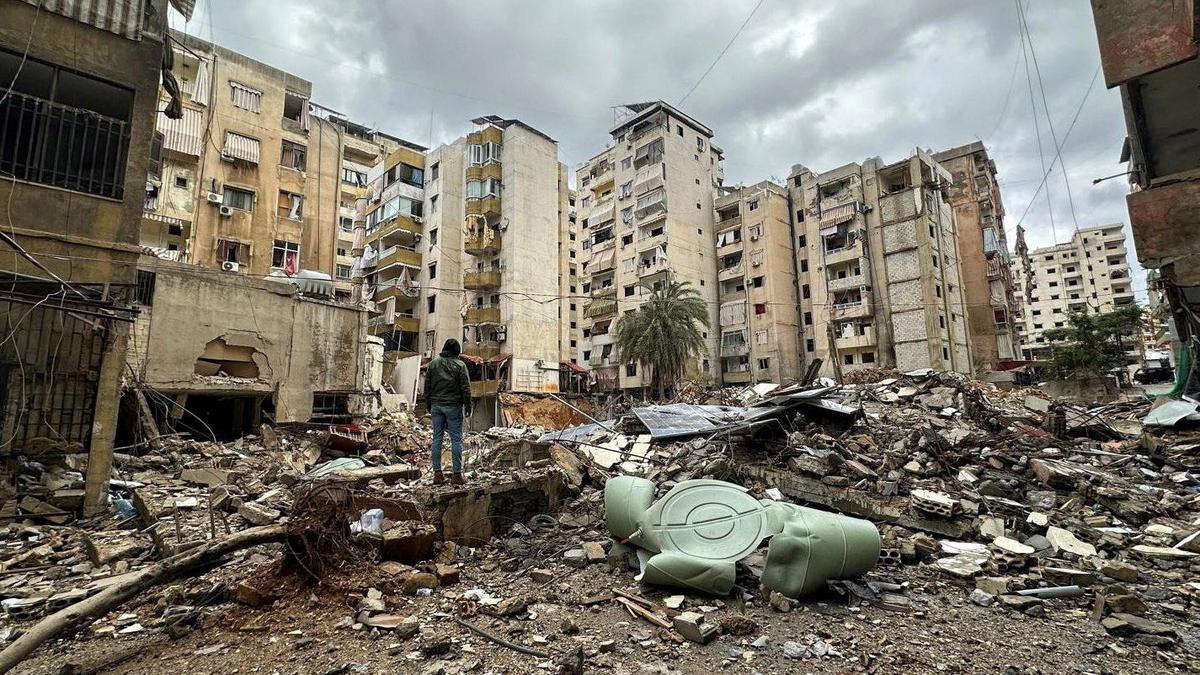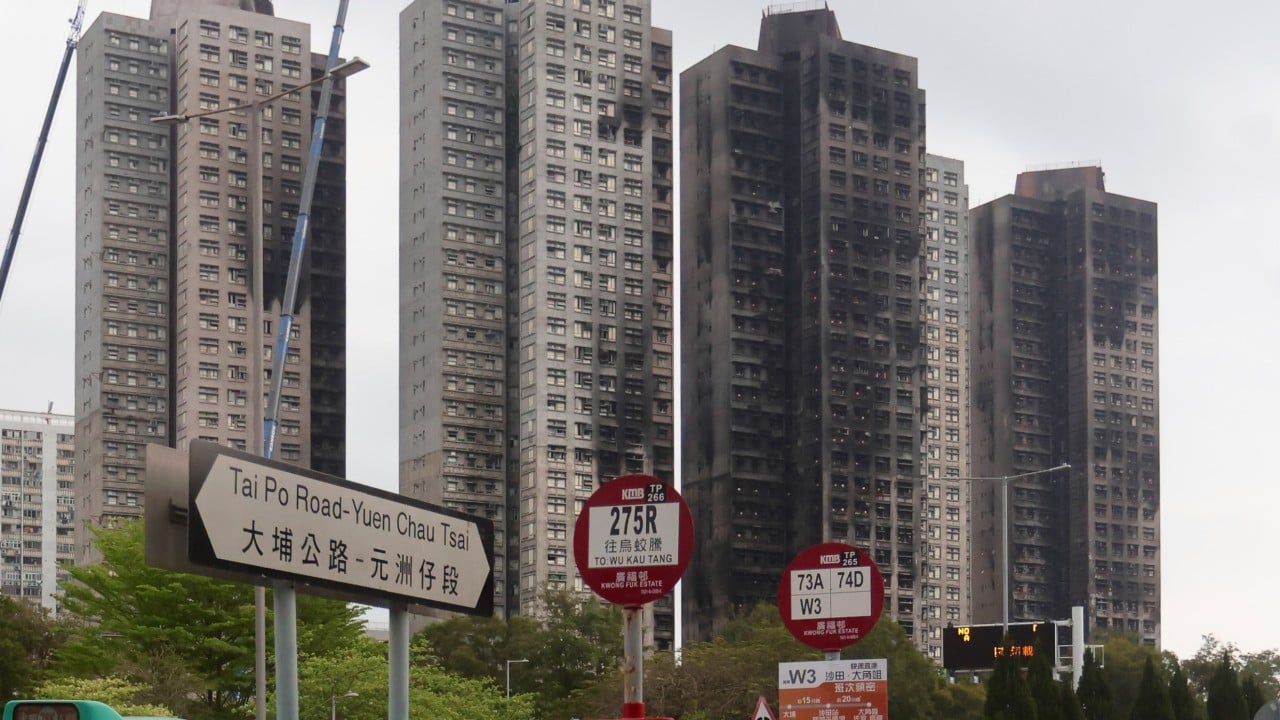
Residents of Wang Fuk Court are heading back to a home that doesn't look or smell like the one they left. After the recent blaze at Wang Chun House in Tai Po, the excitement of being allowed back indoors is quickly meeting a wall of soot, acrid smoke, and structural uncertainty. It's one thing to watch a fire from the safety of the street; it's another entirely to scrub the residue of a disaster off your own kitchen table.
The damage doesn't stop where the flames did. Even if your flat wasn't touched by a single spark, the physics of a high-rise fire ensures that smoke and water damage travel far beyond the seat of the burning unit. You're looking at a long, messy road to normalcy. Don't forget to check out our previous article on this related article.
What to Expect the Moment You Walk Through the Door
Don't expect a fresh breeze when you turn that key. The most immediate assault on your senses will be the smell. Smoke particles are microscopic and incredibly sticky. They lodge themselves into curtains, sofa fabrics, and even the pores of your wooden furniture. If you think opening a window for an hour will fix it, you're mistaken.
The air quality inside these units remains a significant concern. While the Fire Services Department has given the all-clear for physical entry, that doesn't mean the air is "clean" in a health sense. Fine particulate matter (PM2.5) from burnt plastics and electronics can linger in the dust for weeks. If you have asthma or any respiratory issues, you need to be wearing an N95 mask the second you step inside. If you want more about the background here, Al Jazeera provides an excellent breakdown.
Beyond the smell, there's the soot. It’s not like fireplace ash. Fire-hit buildings often deal with "oily" soot. This happens when synthetic materials—like the PVC in your piping or the foam in your mattress—burn at high temperatures. If you try to wipe this away with a dry cloth, you'll just smear it into a permanent stain.
The Hidden Danger of Water and Electricity
Firefighters have to use a massive volume of water to kill a high-rise blaze. In a building like Wang Fuk Court, that water has to go somewhere. It follows gravity. It runs down the stairwells, into the elevator shafts, and behind the walls of units several floors below the actual fire.
You need to check your ceiling and walls for "bubbling" paint or soft spots. This is a sign of trapped moisture. If left alone, this becomes a breeding ground for black mold within 48 to 72 hours. Mold isn't just an eyesore; it's a genuine health hazard that can lead to chronic coughing and allergic reactions.
Check your electrical box before you start flipping switches. Water and electricity are a lethal combination. If there's any sign of dampness near your outlets or if your circuit breaker keeps tripping, stop. Call a certified electrician. It's better to live by candlelight for one more night than to cause a secondary electrical fire.
Managing the Emotional Toll of Displacement
We don't talk enough about the "disaster brain" that happens after an evacuation. You've been operating on adrenaline and stress for days. Now that you're back, the sight of your charred or soot-covered belongings can be overwhelming. It’s okay to feel angry or exhausted.
Many residents are focusing on the physical cleanup, but the community impact at Wang Fuk Court is deeper. Your neighbors are all in the same boat. Use this time to coordinate. If one person finds a reliable cleaning service or an electrician who isn't overcharging, share that info.
Your Priority List for the First 24 Hours
Don't try to fix everything at once. You'll burn out. Focus on these specific steps to make the space habitable again.
- Document everything. Before you touch a single sponge, take photos of every room. Take close-ups of soot on the walls and water damage on the ceiling. You'll need these for insurance claims or for potential government assistance applications.
- Ventilate aggressively. Use industrial fans if you can get them. You want to move as much air as possible. Standard ceiling fans won't cut it.
- Discard contaminated food. If your power was out, everything in your fridge is gone. Don't risk it. Even sealed dry goods can absorb smoke odors if the packaging isn't airtight.
- HEPA vacuuming. Do not use a standard vacuum cleaner. It will just blow the fine soot particles back into the air. Use a vacuum with a HEPA filter to actually trap the toxins.
Dealing with the Management and Insurance
The building management at Wang Fuk Court is under a lot of pressure, but they owe you clear answers on the status of common areas. Are the elevators fully inspected? Is the standpipe system back to 100% functionality? You pay management fees for a reason. Demand a timeline for the cleaning of the hallways and the repair of any charred external walls.
If you have home insurance, call your agent immediately. Most people wait too long. Tell them you're dealing with "smoke and soot damage," which is often covered even if there was no fire in your specific unit. Ask about "loss of use" coverage—this might help reimburse you for the costs of staying in a hotel or buying meals while your kitchen was out of commission.
If you're a renter, the conversation with your landlord needs to happen today. If the flat is uninhabitable due to the smell or lack of utilities, you might be entitled to a rent reduction or a temporary suspension of the lease.
Professional Cleaning vs. Doing It Yourself
Honestly, most people can't handle a post-fire cleanup on their own. The chemicals required to break down oily soot are much stronger than your typical kitchen spray. If you see "scorching" on your window frames or if the soot layer is thick enough to write your name in, you need professional restoration.
These companies use ozone generators or hydroxyl machines to actually neutralize the smoke molecules rather than just masking them with scents. It’s an investment, but it’s the difference between your clothes smelling like a campfire for a month or having a clean start.
Check the structural integrity of your windows. High heat can warp aluminum frames and weaken the seals on double-paned glass. If your windows feel "sticky" or don't close perfectly, the fire's heat may have compromised them. This is a safety issue, especially with the high winds we get in Tai Po.
Start by clearing a "clean zone"—one room, usually a bedroom, that you scrub from top to bottom first. This gives you a sanctuary to sleep in while the rest of the flat is being dealt with. Take it one room at a time. The soot won't disappear overnight, but with a systematic approach, you'll get your home back.