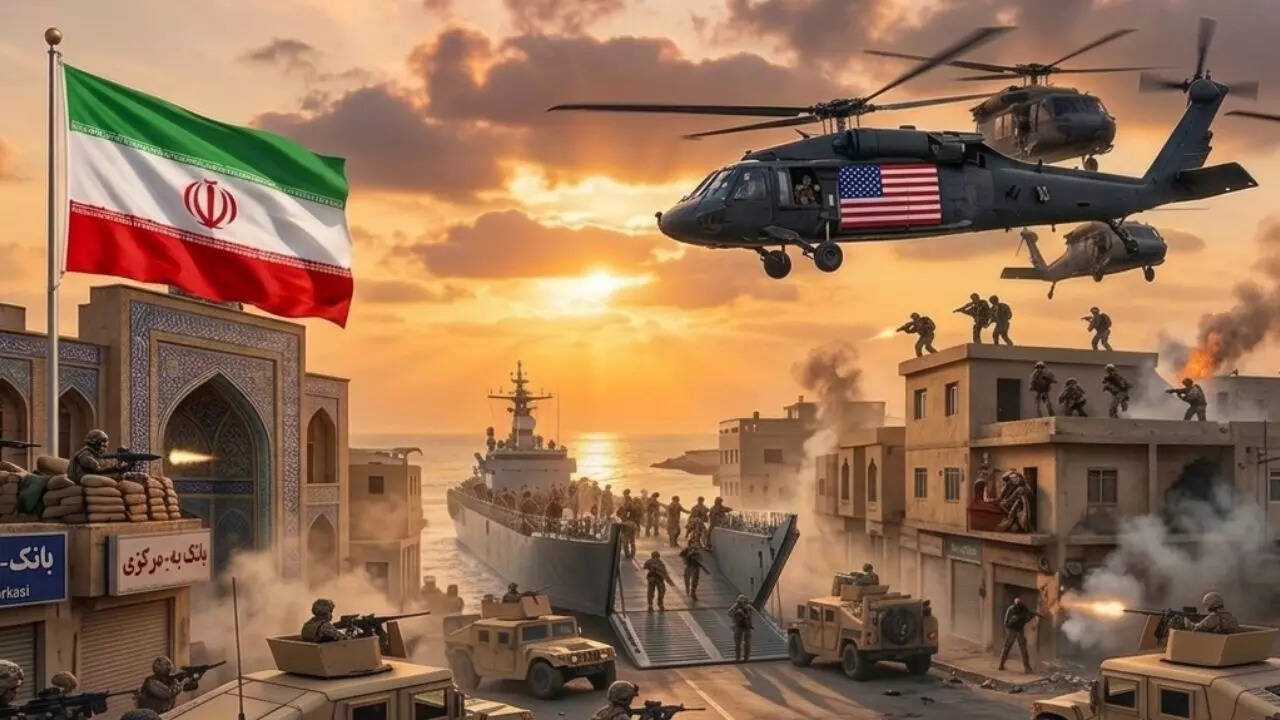
The global energy market just got a massive insurance policy, but it comes with a side of extreme tension. When Saudi Arabia opened the gates of King Fahd Air Base to U.S. forces, it wasn't just a routine logistics shuffle. It was a loud, clear signal to Tehran that the era of "strategic patience" regarding the Strait of Hormuz has ended. If you've been watching oil prices or checking your geopolitical pulse, this move matters more than any diplomatic cable sent this year.
The Strait of Hormuz is a narrow chink in the world's armor. Roughly 21 million barrels of oil flow through that waterway every single day. That’s about a fifth of global consumption. For years, Iran has used the threat of closing this chokepoint as its primary "ace in the hole" against Western sanctions. By positioning U.S. assets at King Fahd Air Base, the U.S. and Saudi Arabia are effectively saying they won't be held hostage by that threat anymore.
The Strategic Reality of King Fahd Air Base
Located in Taif, King Fahd Air Base provides a geographical advantage that other regional hubs lack. It’s far enough from the immediate Iranian coastline to be safer from short-range missile swarms, yet close enough to project power across the peninsula in minutes. This isn't about starting a war. It's about making sure the other side knows they can't win one.
History shows us that whenever the U.S. shifts its footprint in the Middle East, the power balance wobbles. We saw this during the Tanker War of the 1980s. Back then, the U.S. Navy had to escort commercial ships to prevent total economic collapse. The move to utilize King Fahd Air Base suggests we’re preparing for a modern version of that reality. It’s a backup plan that has become the primary plan.
The base allows for a diversified "lily pad" strategy. Instead of bunching all hardware in Qatar or Bahrain—which are within easy reach of Iranian drone tech—the U.S. is spreading its bets. It makes the military posture more resilient. If one location is targeted, the mission to protect the Strait of Hormuz continues from Taif. It’s basically the military version of not putting all your eggs in one basket.
Why Saudi Arabia is Dropping the Neutral Act
For a while, Riyadh tried to play a delicate game of de-escalation with Iran. They talked. They traded. They even shook hands in Beijing. But recent events, specifically the uptick in maritime harassment and the influence of proxy groups, proved that diplomacy without a big stick is just a polite conversation before a disaster.
The Saudi leadership knows that their "Vision 2030" economic plan dies the moment the Gulf becomes a no-go zone for international shipping. They need the world to see the region as stable. Inviting U.S. forces back to King Fahd in a more permanent, operational capacity is a admission that regional security still requires American steel.
It’s a gutsy move. It risks poking the bear in Tehran, but the alternative—letting the Strait of Hormuz become a playground for revolutionary guards—is far worse for the Saudi bottom line. You can't build a global tourism and tech hub if the waters a few hundred miles away are full of sea mines and hijacked tankers.
Iran’s Likely Move and the Risk of Miscalculation
Don't expect Tehran to sit quietly while this happens. Their playbook is predictable because it’s worked for them for decades. They’ll likely respond with "gray zone" tactics—actions that are aggressive enough to annoy but small enough to avoid triggering a full-scale war.
- Increased drone surveillance over the Strait.
- "Safety inspections" of Western-linked tankers.
- Cyber activities targeting regional infrastructure.
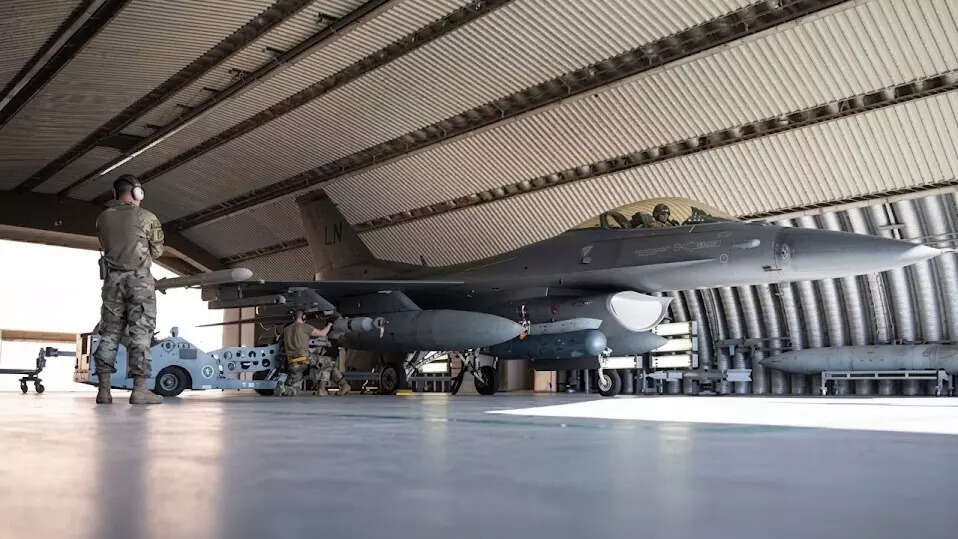
The danger isn't necessarily a planned invasion. The danger is a mistake. A nervous commander on a patrol boat or a misinterpreted radar signal could spark a kinetic exchange that neither side actually wants. With more U.S. jets sitting at King Fahd, the response time to any incident drops to almost zero. That’s good for deterrence, but it’s terrifying for those who worry about accidental escalation.
The Economic Stakes for the Rest of Us
If the Strait of Hormuz closes, even for a week, you'll feel it at the gas pump within 48 hours. But it's more than just gas. Modern manufacturing relies on "just-in-time" delivery. A disruption in the Gulf ripples through global supply chains, affecting everything from plastic production to semiconductor logistics.
The presence of U.S. forces at King Fahd Air Base acts as a psychological stabilizer for the markets. It tells traders that the "worst-case scenario" is being actively managed. When the U.S. Air Force has its boots on the ground in Taif, the cost of insuring a tanker going through the Strait stays manageable. Without that presence, those insurance premiums would skyrocket, and you’d pay for it in the price of your next grocery run.
What to Watch in the Coming Months
The situation is fluid, and you should keep your eye on a few specific indicators to see if this gamble is paying off.
First, look at the frequency of "close encounters" between the U.S. Navy and Iranian fast boats. If they drop off, the deterrence from King Fahd is working. If they increase, Tehran is trying to prove the U.S. presence doesn't scare them.
Second, watch the rhetoric out of the Saudi Ministry of Defense. They’ve been uncharacteristically quiet about the specifics of the deployment, which usually means they’re letting the hardware do the talking. Any shift toward more aggressive public statements will signal a breakdown in the back-channel talks between Riyadh and Tehran.
Finally, keep an eye on oil futures. If the market ignores the headlines about the base, it means the "risk premium" is already baked in. If prices dip, it’s a sign that the world feels safer with the U.S. firmly planted back in Saudi airfields.
This isn't just another troop movement. It’s the closing of a circle that began decades ago. The Strait of Hormuz remains the world’s most important artery, and King Fahd Air Base is the new heart monitor keeping it beating.
To stay ahead of this, you should monitor the daily shipping transits through the Strait via maritime tracking tools. If the volume of VLCCs (Very Large Crude Carriers) remains steady despite the headlines, the "on edge" narrative is likely more about posturing than an imminent blockade. Pay attention to the Lloyd’s List Intelligence reports on Gulf security—they are the gold standard for seeing through the political smoke. If insurance "war risk" zones expand, start hedging your energy bets.