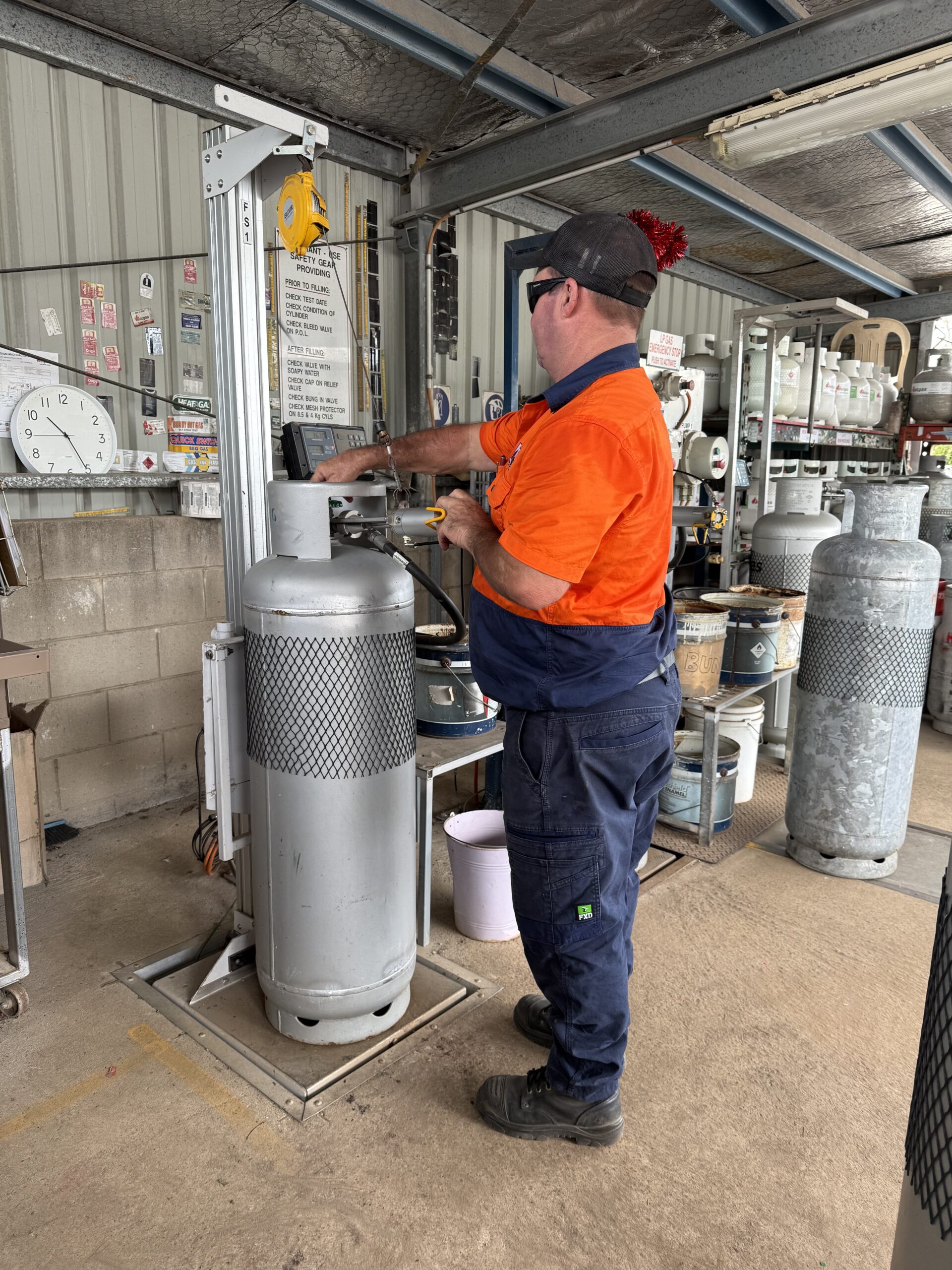
You've probably seen the headlines or heard the whispers at the local tea stall. With the Strait of Hormuz effectively turned into a no-go zone and the Iran-Israel war escalating, there’s a genuine fear that Indian kitchens might go cold. Honestly, the anxiety is understandable. When 60% of your cooking gas usually sails through a single narrow waterway that's now a battleground, "worrisome" is a mild way to put it.
But here is the reality: while the Ministry of Petroleum and Natural Gas admits the situation is tense, your domestic LPG supply isn't about to dry up. The government has hit the panic button on policy so you don't have to hit it at the distribution center.
The Hormuz Chokehold and India's Response
The Strait of Hormuz is the world's most important energy artery. About 20% of global LPG flows through this strip of water. For India, that number was even higher—nearly 60% of our imports. When the conflict effectively shut this route on March 1, 2026, the supply chain didn't just bend; it snapped.
However, the Ministry hasn't been sitting on its hands. Joint Secretary Sujata Sharma recently noted that while the situation remains "worrisome," we aren't at a stage where domestic consumers will be left stranded. The strategy is simple but aggressive: prioritize households and squeeze everywhere else.
The government invoked the Essential Commodities Act and issued the LPG Control Order on March 8, 2026. This wasn't just paperwork. It forced every refinery in the country to stop sending propane and butane to petrochemical plants. Instead, every single drop of those C3 and C4 hydrocarbon streams is being diverted into cooking gas. This move alone boosted domestic LPG production by 28% in a matter of days.
Why Commercial Users are Feeling the Heat
If you own a restaurant or a small catering business, I have some bad news. You are the "shock absorber" in this crisis. To keep 33 crore household kitchens running, the government has slashed commercial LPG allocations.
Right now, commercial users are getting roughly 20% of their usual requirement. We're seeing eateries in Bengaluru and Chennai go "retro," switching to wood fires and charcoal just to keep the tandoors hot. It’s a survival tactic. The government’s logic is cold but clear: a restaurant closing is a business setback, but a million homes without a way to cook food is a national security crisis.
By regulating the commercial side, the Ministry is trying to kill the black market before it takes root. When supply is tight, "over-the-counter" cylinders often vanish into the hands of hoarders who then sell them at a massive markup. By capping these sales and putting a three-member committee from IOCL, HPCL, and BPCL in charge of allocation, they’re trying to keep the remaining gas where it belongs.
Fighting the Panic Booking Cycle
The biggest threat to your gas supply right now isn't actually a missile in the Gulf—it's your neighbor booking three refills they don't need yet.
Ministry data shows that bookings peaked at 87.7 lakh cylinders on March 13, way above the pre-war average of 55 lakh. That’s pure panic. When everyone rushes the gates at once, the delivery system chokes, even if the warehouses are full.
To counter this, the government introduced a mandatory booking gap:
- 25 days for urban areas.
- 45 days for rural and "durgam" (remote) regions.
It's a cooling-off period. If you try to book a refill before your time is up, the system will simply block it. This has already started to work. As of March 18, bookings dropped back toward the 56-57 lakh mark. The "demand distortion," as the Ministry calls it, is fading.
Where the New Gas is Coming From
We can’t rely on the Gulf forever if the missiles keep flying. India has been scrambling to find "Non-Hormuz" sources. It’s a massive logistical pivot. We are now seeing cargoes arrive from:
- The United States (Texas and the Gulf Coast).
- Norway and Algeria.
- Canada and Russia.
Before the war, non-Hormuz sourcing was at 55%. Today, it has jumped to 70%. We're even seeing the Indian Navy play a role in securing these alternative maritime paths. While these routes are longer and the "war-risk" insurance premiums have made shipping expensive, the gas is moving.
The Price Shield
You might have noticed a ₹60 hike recently, bringing the Delhi price for a non-subsidized cylinder to ₹913. While any hike hurts, it could have been much worse. The Saudi Contract Price (the global benchmark for LPG) has shot up by 41% recently.
If the government let the market decide the price today, you'd likely be paying over ₹1,000 per cylinder. Instead, the state is absorbing about ₹74 of the required adjustment per bottle. For those under the PMUY (Ujjwala) scheme, the price is even more insulated, sitting around ₹613.
What You Should Actually Do
Don't go out and buy a second-hand cylinder from a shady dealer. You'll just be feeding the black market and making the situation worse for everyone. The standard delivery cycle is still holding at about 2.5 days from booking to doorstep. If your distributor tells you it'll take two weeks, report them.
The Ministry has also scaled up the Delivery Authentication Code (DAC) system. It now covers 90% of consumers. Make sure you have your phone ready when the delivery person arrives. Without that OTP, the cylinder can't be marked as delivered, which prevents "ghost deliveries" where gas is diverted to commercial users behind your back.
Check your booking eligibility on the IndianOil, HPCL, or BPCL apps before you worry. If you're within your 25-day window, you're on the priority list. The supply is there; we just need to stop tripping over each other to get it. Keep your current usage efficient—maybe skip the slow-cooked biryani this week—and wait for the new cargoes from the Atlantic to stabilize the grid.