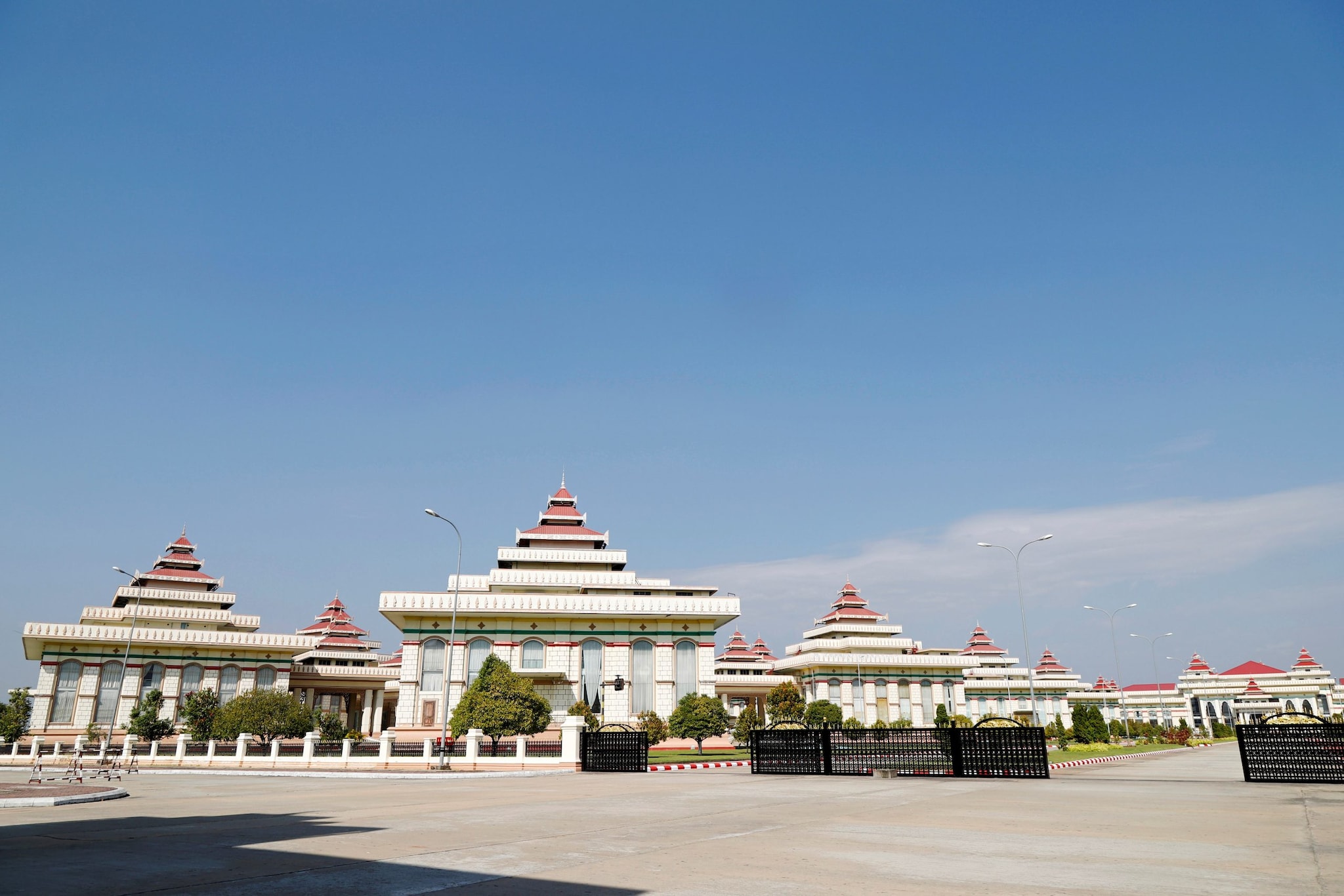
The announcement that Myanmar’s parliament will begin the process of selecting a new president on March 30 is not a routine administrative hand-off. It is a high-stakes collision between a fledgling civilian movement and a decades-old military apparatus that refuses to exit the stage. While the date provides a target for the National League for Democracy (NLD), the transition is fraught with legal landmines and constitutional barriers designed specifically to keep the country’s most popular figure, Aung San Suu Kyi, away from the highest office.
March 30 marks the expiration of the current administration's term. Under the 2008 Constitution—a document drafted by the military to ensure its continued relevance—the selection process involves three separate groups of lawmakers: the lower house, the upper house, and the military appointees who hold a guaranteed 25% of seats. Each group nominates a candidate. The full parliament then votes, with the winner becoming president and the two runners-up serving as vice presidents.
The Constitutional Ceiling
The core of the current political tension lies in Article 59(f). This specific clause bars anyone with a foreign spouse or foreign children from the presidency. It is a surgical strike against Aung San Suu Kyi, whose late husband and two sons are British citizens. For decades, the military has used this clause as a permanent "Keep Out" sign.
The NLD faces a brutal mathematical reality. Even with a massive parliamentary majority, they cannot simply delete this clause. Amending the constitution requires more than 75% of the vote. Since the military controls 25% plus one seat, they hold a permanent veto over any structural change. The NLD’s strategy has shifted from trying to break the door down to finding a way to crawl through the window.
The Search for a Proxy
Because the "Lady" cannot hold the title of President, the NLD must select a loyalist who is willing to act as a placeholder. This creates a strange and potentially unstable power dynamic. Aung San Suu Kyi has famously stated she would be "above the president," a comment that irritated the military leadership and signaled her intent to run the country by proxy.
The selection of this proxy is the most guarded secret in Naypyidaw. The candidate must be someone with impeccable credentials, total loyalty to the NLD, and enough gravitas to be accepted by the international community, yet humble enough to take orders from the party chairwoman. Names have circulated in the shadows—Htin Kyaw, a soft-spoken confidant, or perhaps a veteran party member—but the NLD leadership knows that revealing a name too early invites military scrutiny or character assassination.
The Military Guardrails
General Min Aung Hlaing and the Tatmadaw (the Myanmar military) are not retreating; they are repositioning. Even if the NLD secures the presidency, the military retains control over the three most powerful ministries: Home Affairs, Border Affairs, and Defense. They control the police, the intelligence services, and the soldiers on the ground.
- Home Affairs: Controls the General Administration Department, the backbone of the country’s local bureaucracy.
- Defense: Operates with zero civilian oversight.
- Border Affairs: Manages the volatile ethnic regions where civil wars have simmered for seventy years.
This "dual power" system means the new president will find themselves in a cockpit where half the controls don't respond to their touch. Any attempt to slash the military budget or investigate past human rights abuses will be met with a stone wall—or worse, a "constitutional" intervention.
The Economic Stakes of March 30
Investors are watching the March 30 timeline with professional anxiety. Myanmar is one of the last "frontier markets," rich in jade, timber, oil, and gas, but the legal framework for business is still in its infancy. A smooth transition signals stability, which lowers the risk premium for foreign capital. A botched selection or a military standoff does the opposite.
The military's vast economic interests, managed through conglomerates like Myanma Economic Holdings Limited (MEHL), are also at play. The generals want to ensure that a civilian government doesn't start poking into the accounts of these massive, opaque corporations. The March 30 date is as much about protecting balance sheets as it is about seating a president.
The Ethnic Equation
While the world focuses on the NLD-military rivalry, Myanmar’s ethnic armed organizations (EAOs) are looking at the presidential selection through a different lens. For groups like the Karen, the Kachin, and the Shan, the presidency is a tool to achieve a federal union.
The outgoing administration made strides toward a Nationwide Ceasefire Agreement, but several of the most powerful groups refused to sign. They are waiting to see if the new president has the authority to rein in the military’s frontline operations. If the new leader is seen as a mere puppet of the NLD—or worse, a figurehead with no control over the generals—the peace process will likely collapse back into open warfare.
Hard Realities of the Transition
The bureaucracy in Naypyidaw is staffed by thousands of civil servants who were trained under the old junta. Changing the person at the top doesn't automatically change the culture of the departments. The new president will have to navigate a "deep state" that may be actively hostile to the NLD’s reform agenda.
Efficiency will be the first casualty. If the president issues an order and the civil service drags its feet, the NLD’s promises of rapid economic development and social reform will evaporate. The public's patience is not infinite. After decades of stagnation, the expectations placed on the post-March 30 government are dangerously high.
The Geopolitical Balance
Myanmar sits between two giants: India and China. Beijing, in particular, has long enjoyed a cozy relationship with the military. A shift toward a more democratic, Western-leaning presidency under the NLD’s influence complicates China’s strategic "Belt and Road" ambitions in the region.
China has already begun courting Aung San Suu Kyi, recognizing that the winds have shifted. However, the military remains China's most reliable partner for long-term security. The presidential selection is a signal to regional powers about which way the wind is blowing. Will the new leader prioritize Western-style human rights rhetoric, or will they maintain the pragmatic, often silent, cooperation with neighboring autocracies?
The selection process starting on March 30 is the ultimate test of the NLD’s political maturity. They are moving from the moral high ground of opposition into the swamp of governance. They must manage a restless public, a suspicious military, and a complex web of ethnic tensions, all while operating within a legal framework designed to make them fail.
The person who takes the oath of office following the March 30 proceedings will be stepping into one of the most difficult jobs on the planet. They will be a president with a shadow—the shadow of the Lady who leads them, and the shadow of the General who watches them.
The victory in the polls was the easy part. The real struggle for the soul of Myanmar begins when the first ballot is cast in parliament. This isn't just a change in personnel; it is a test of whether a nation can truly outgrow its past while the architects of that past are still sitting in the front row.
Identify the specific parliamentary delegates from the military bloc who show openness to constitutional dialogue, as their cooperation will be the only way to bypass the 75% threshold in the long term.