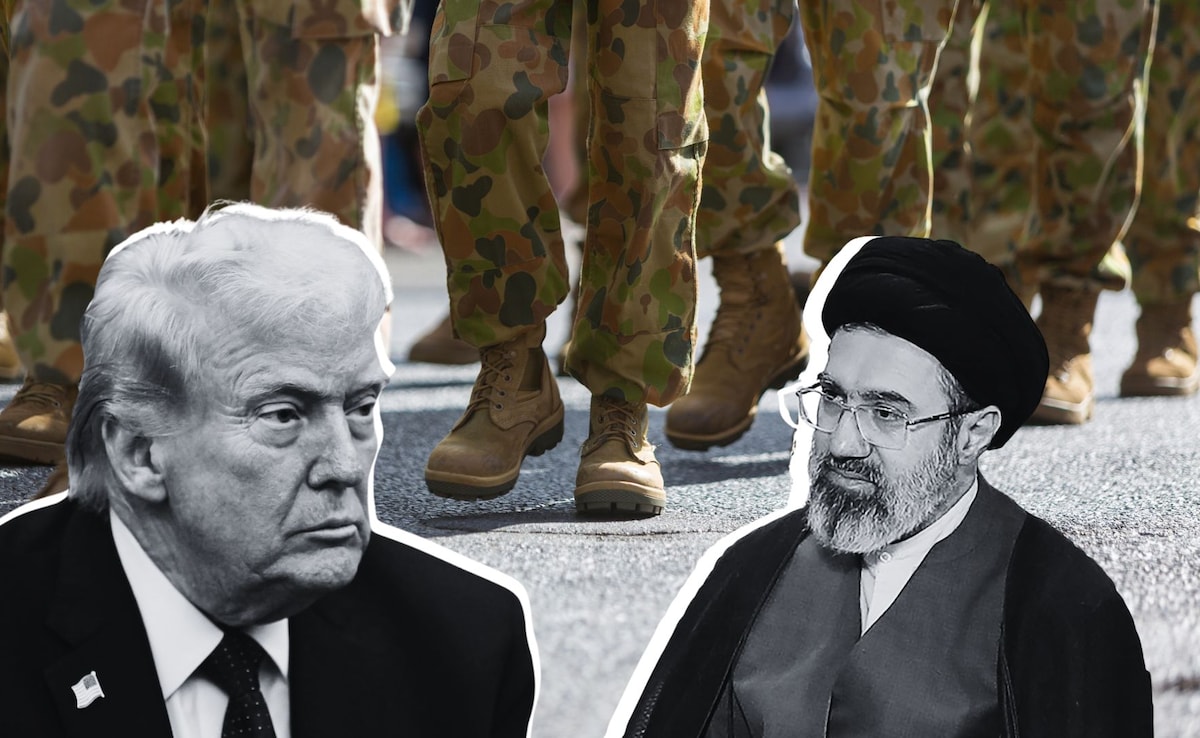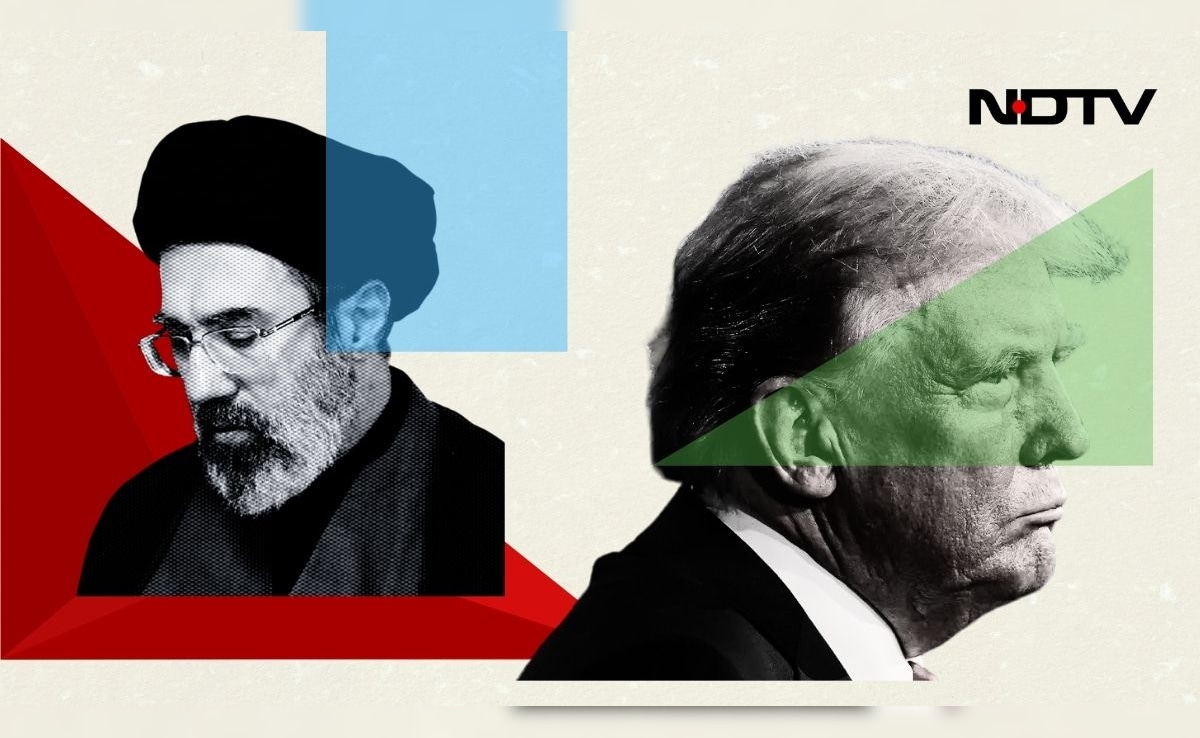
The smoke rising over Isfahan and the shuttered oil terminals in the Persian Gulf are not just the debris of a month-long military campaign. They are the physical evidence that the traditional diplomatic playbook has been incinerated. Since the start of Operation Epic Fury on February 28, the United States and Israel have dismantled the Iranian command structure and decapitated its leadership, including the late Supreme Leader Ali Khamenei. Yet, the central question remains unanswered. Has the window for negotiation truly slammed shut, or has the nature of the bargain simply become too expensive for either side to pay?
Despite the devastating strikes and the reported 10-day pause in energy infrastructure attacks announced by President Trump, a functional peace remains a ghost. The disconnect is no longer about percentages of uranium enrichment or the inspection of hidden sites. It is about a fundamental shift in the stakes of the game. For the United States, the goal has shifted from containment to what Secretary of State Marco Rubio describes as a preemptive removal of a regional threat. For the remnants of the Iranian leadership, the only thing left to negotiate is the terms of their own survival—a commodity Washington seems increasingly unwilling to sell.
The Strategy of Disruption
The current conflict is not a repeat of the 2015 nuclear deal negotiations. That era relied on a predictable cycle of sanctions and technical concessions. Today, the strategy is one of total disruption. By targeting the very heart of the Iranian state, the U.S.-Israeli coalition has removed the "authorized" negotiators. There is no longer a centralized authority in Tehran with the political capital to "cry uncle" without facing immediate internal collapse or assassination by hardline elements of the Islamic Revolutionary Guard Corps (IRGC).
Washington has presented a 15-point ceasefire proposal that demands the total dismantling of the nuclear program and the end of all regional proxy support. From a military standpoint, these demands reflect the current reality on the ground. Iran is weaker than it has been in decades. Its navy is in tatters, its regional "Axis of Resistance" is fractured, and internal protests are stretching the state's internal security to the breaking point. Yet, these very conditions make a negotiated settlement more difficult, not less.
A state in total collapse does not sign treaties. It splinters.
The Economy of a Shakedown
The war has also birthed a new and dangerous economy in the Strait of Hormuz. The "Tehran Toll Booth" is the most concrete evidence that Iran has moved beyond the point of standard negotiation. Instead of closing the strait, the Iranian parliament is formalizing a system of charging tankers as much as $2 million for safe passage. This is not the behavior of a state looking for a diplomatic off-ramp. It is the behavior of a regime that has decided to fund its survival through direct extortion.
The United States' month-long authorization for the sale of sanctioned Iranian oil, intended as a de-escalation measure, has instead been weaponized. Major economies like China and India are already using the "toll booth" to secure their energy supplies, sometimes trading in Chinese yuan to bypass the U.S. financial system entirely. This development underscores the failure of traditional sanctions. When the global energy market is this tight, with Brent crude recovering above $100 per barrel, the leverage of the world's largest consumer is at its lowest.
The Nuclear Brinkmanship
The central justification for Operation Epic Fury was the urgent need to prevent an Iranian nuclear breakout. Since June 2025, U.S. and Israeli strikes have targeted the Isfahan and Natanz facilities with bunker-busting munitions. The International Atomic Energy Agency (IAEA) continues to report that while Iran has an ambitious program, there is no evidence of a structured move to manufacture a warhead. However, the military campaign may be creating the very outcome it was designed to prevent.
Proliferation experts warn that the current onslaught could drive the Iranian regime toward a secret bomb as a final insurance policy. For a leadership that has seen its supreme commander killed and its conventional military shredded, the only perceived guarantee against total annihilation is a nuclear deterrent. This is the ultimate paradox of the current war. The more the coalition degrades Iran's conventional ability to project power, the more attractive the nuclear option becomes for the survivors in Tehran.
The Regional Spillover
The conflict is no longer contained within the borders of the Islamic Republic. Iranian missile and drone attacks have struck U.S. bases and civilian infrastructure in Bahrain, Kuwait, Qatar, and the United Arab Emirates. The Gulf states now find themselves in a precarious position. While they share the U.S. goal of a weakened Iran, they are the ones paying the immediate price in terms of damaged energy infrastructure and disrupted trade.
Oman and Qatar, the traditional mediators between Washington and Tehran, are finding their diplomatic space shrinking. While Oman continues to facilitate quiet back-channels, the public rhetoric from the White House—demanding "unconditional surrender"—leaves little room for the kind of face-saving compromises that have historically characterized Middle Eastern diplomacy. The U.S. military buildup, the largest since the 2003 Iraq war, signals a commitment to a decisive outcome that may not be achievable through traditional negotiation.
The Internal Friction
Inside Iran, the situation is even more volatile. The extensive protests that began in late 2025, spurred by a dying economy and failing infrastructure, have been met with brutal force. The death of Khamenei has not led to a popular uprising as some in Washington hoped. Instead, it has triggered an intensification of the jockeying for position among the security elite. The Basij and IRGC remain the only functional institutions in the country, and their survival is tied directly to the survival of the current system.
The U.S. strategy of "regime change from the skies" assumes that a weakened Iranian state will be replaced by a more compliant alternative. History suggests otherwise. A collapsed Iranian state could lead to a fragmented landscape of warring ethnic and political factions, a scenario that would be far more difficult to manage than the current adversarial regime. The risk of strategic overextension for the United States is real. Maintaining a massive military presence in the region and protecting global energy flows is a long-term commitment that is already beginning to weigh on the American economy.
The path forward is increasingly narrow. If the current pause in energy strikes does not lead to a meaningful dialogue by the April 6 deadline, the next phase of the war will likely involve a direct targeting of the remaining Iranian leadership and the total closure of the "Tehran Toll Booth." This escalation would push the global economy into uncharted territory and could force Iran to make its final, desperate move toward a nuclear weapon.
Negotiation requires two parties with something to lose and a path to keep what remains. In the current conflict, both sides have already lost so much that the only thing left to fight for is the finality of the outcome. The real reason the war is not ending is that the price of peace has become more terrifying than the cost of continued conflict.