The heat in an aluminium smelter is not a suggestion. It is an absolute. It is a thick, shimmering presence that clings to your lungs and vibrates in your teeth. In the heart of Bahrain, at the massive industrial complexes that define the island’s skyline, this heat represents more than just metal production. It is the literal heartbeat of a nation.
On a Tuesday that began like any other, that heartbeat faltered.
Two men, technicians whose names are often lost in the broad strokes of geopolitical reporting, were standing near the potlines when the first impact occurred. They weren't thinking about the Strait of Hormuz. They weren't weighing the nuances of Tehran’s foreign policy or the shifting alliances of the Persian Gulf. They were checking monitors. They were worried about a pressure valve. Then, the world turned into a roar of jagged light and concussive force.
The headline said "2 injured." It’s a clean, clinical number. It doesn't describe the smell of ozone and singed fabric. It doesn't capture the way the air gets sucked out of a room when an explosion interrupts the steady hum of a multi-billion-dollar operation. These men are the human cost of a shadow war that has finally decided to step into the light.
The Veins of the Gulf
To understand why a smelter in Bahrain matters to someone buying a car in Ohio or a smartphone in Seoul, you have to look at the map. But don't look at the borders. Look at the water.
The Strait of Hormuz is a narrow throat of blue through which the world’s energy—and its stability—is forced to pass. When Iran signaled a closure of this maritime choke point, it wasn't just a naval maneuver. It was a tourniquet.
Bahrain sits just outside the immediate grip of the Iranian coast, but it is inextricably linked to the flow of the Gulf. Aluminium is an energy-intensive business. You don't just "make" it; you electrify it into existence. The process, known as electrolysis, requires a constant, unwavering torrent of power. If the gas stops flowing because the sea lanes are blocked, or if the infrastructure is physically shattered by a drone strike, the molten metal inside those pots begins to cool.
If that metal freezes, the factory dies.
Imagine a hypothetical foreman named Yusuf. For twenty years, Yusuf has watched the liquid silver flow. He knows that if the power stays off for more than five or six hours, the aluminium hardens into a billion-dollar brick. It’s called "freezing the pots." It is the industry’s equivalent of a cardiac arrest. Once it happens, you don't just flip a switch to start over. You take jackhammers to the pots. You spend months—and hundreds of millions—trying to breathe life back into a dead giant.
The Precision of Chaos
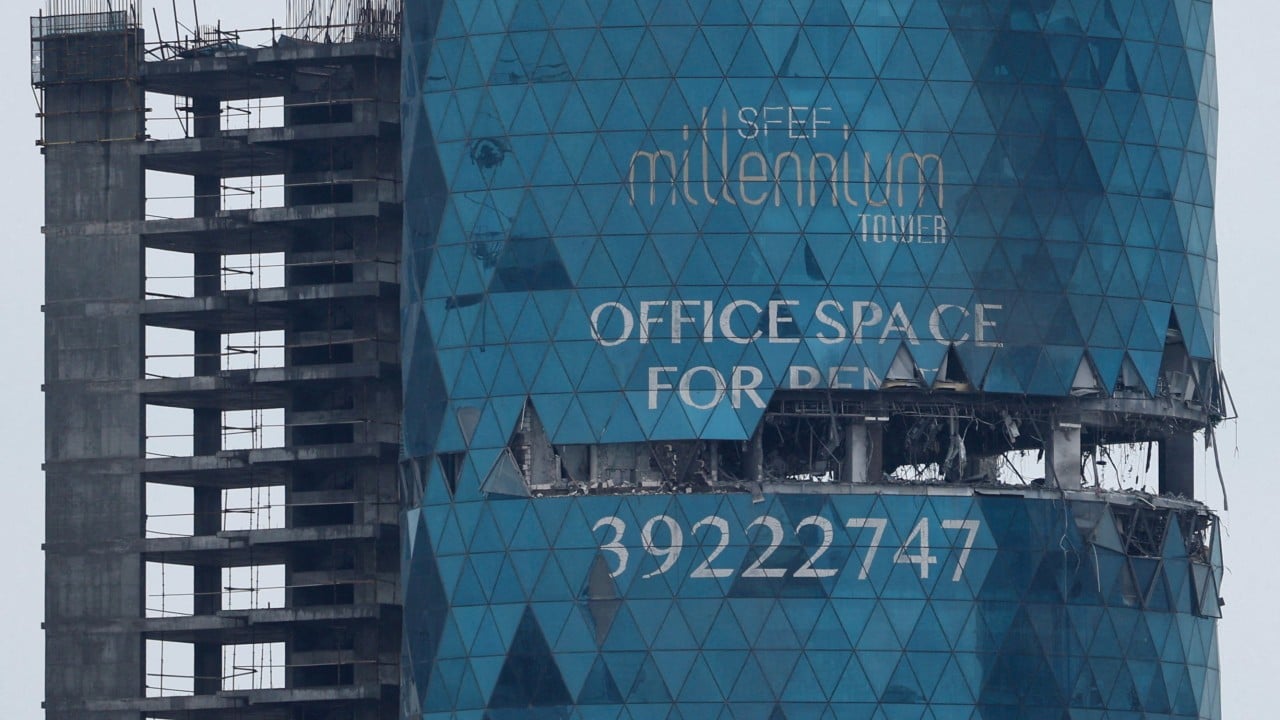
This wasn't a random act of violence. It was a surgical strike on an economic nervous system. By targeting the aluminium sector, the attackers weren't just aiming for buildings. They were aiming for the "Vision 2030" goals of the Gulf states. They were aiming at the diversification of an economy trying to move beyond raw oil.
The technology used in these strikes—likely low-cost, high-precision loitering munitions—represents a terrifying democratization of destruction. You no longer need a billion-dollar air force to cripple a regional power. You need a few fiberglass wings, a GPS chip, and a clear flight path over the water.
This is the new reality of industrial warfare. It is asymmetrical. It is deniable. It is exhausting.
Consider the ripple effect. When Bahrain’s output is threatened, the global supply chain flinches. Aluminium is the skeleton of the modern world. It is the skin of the planes we fly and the casing of the laptops we use to work. When a smelter in the Gulf goes dark, the price of soda cans in London and engine blocks in Detroit feels the heat.
The Invisible Stakes
We often talk about "tensions in the Middle East" as if they are weather patterns—unavoidable, seasonal, and distant. But for the families of the two injured workers, the tension is a hospital waiting room. For the thousands of employees at Alba (Aluminium Bahrain), the tension is the mortgage that depends on a potline that must never, ever go cold.
There is a psychological weight to this kind of conflict. It’s the "Hormuz Dilemma." If you retaliate, you risk a full-scale blockade that could tank the global economy. If you don't retaliate, you signal that your most vital industries are open season. It is a chess match played with live ammunition.
The closure of the Strait is the ultimate "nuclear option" of conventional trade. Iran knows this. They don't even have to sink a ship to win; they just have to make the insurance premiums so high that no captain will dare to steer into the Gulf. The mere threat of a closure acts as a phantom blockade.
Beyond the Metal
The story isn't really about aluminium. It’s about the fragility of the things we take for granted. We live in a world built on "just-in-time" logistics, where we assume the materials we need will always arrive on a ship from over the horizon. We’ve built a global civilization on the assumption that the narrow strips of water like Hormuz will remain open, governed by international law and protected by grey hulls.
That assumption is currently being shredded.
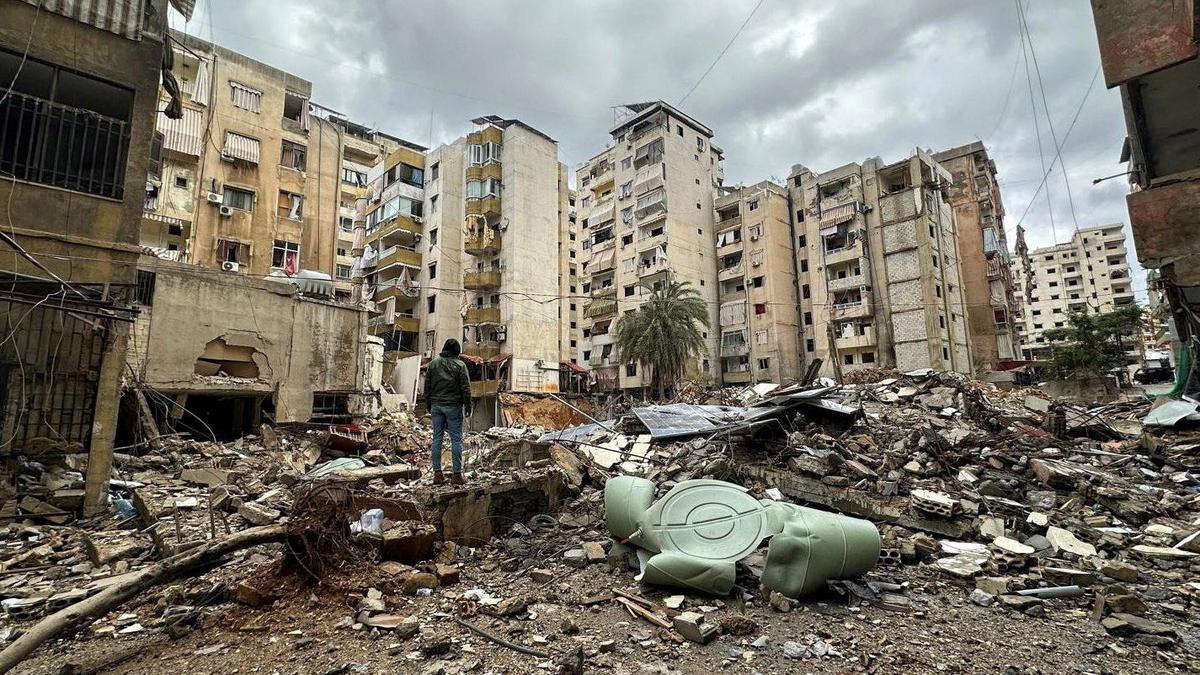
The smoke over the Bahraini industrial zone is a signal fire. It tells us that the era of "safe" globalization is over. Infrastructure is now a front line. Every power plant, every desalination facility, and every smelter is a potential target in a conflict that doesn't use traditional declarations of war.
As the sun sets over the Gulf, the glow from the smelters remains constant—for now. Engineers are working double shifts. Security details are scanning the skies for the buzz of a drone motor that sounds like a lawnmower but carries the punch of a missile.
The two injured men will likely recover. The pots will likely stay hot. But the silence of the Gulf has been replaced by a low, vibrating anxiety. It’s the sound of a world realizing that its most vital arteries are held in a grip that is tightening by the hour.
The metal continues to pour, white-hot and blinding, but the hands guiding it are shaking.
Would you like me to analyze the historical parallels between this event and the 1980s "Tanker War" to see how this pattern might repeat?