Parents have spent the last decade stuck in a digital no-man's-land, guessing how much YouTube is too much while Silicon Valley engineers literally designed those apps to be un-put-downable. The "battle" isn't a figure of speech. It's a daily reality for the 24% of UK parents who admit they can't control their toddlers' device habits. But the wild west era of "figure it out yourself" just ended.
The UK government recently dropped its first-ever national guidance specifically for children under five. It’s not just a set of suggestions; it’s a direct response to a mounting pile of evidence that solo screen time is physically rewiring how young brains develop. If you've been feeling guilty about using an iPad as a digital babysitter, this guidance is your permission to set hard boundaries.
The One Hour Rule for Toddlers
The headline is simple: no screens for under-2s and a one-hour daily limit for kids aged 2 to 5.
Why such a hard line? It’s not about being old-fashioned. Recent research found that every extra minute a 36-month-old spends on a screen translates to 6.6 fewer adult words heard and 1.1 fewer conversational turns. That's not a small difference—it's a direct blow to language acquisition.
When a child is staring at a screen alone, they aren't practicing "joint attention"—the magic moment where an adult and child look at the same thing and talk about it. That interaction is the engine of human intelligence. Without it, development stalls.
Your Screen Use Is Their Blueprints
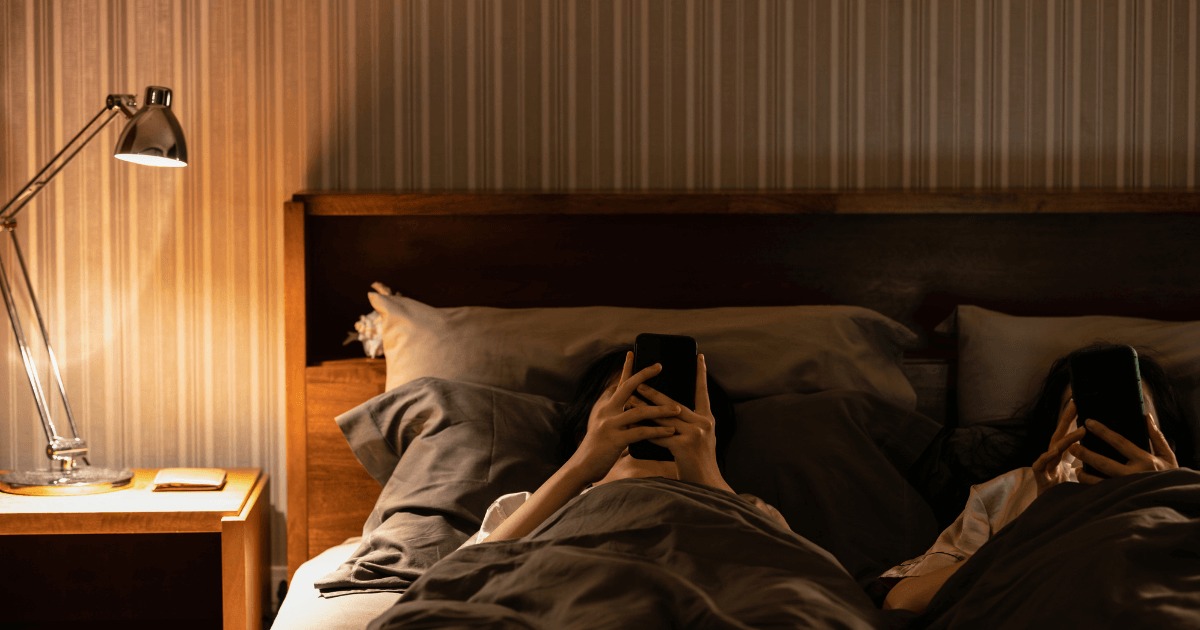
The guidance doesn't just point fingers at kids; it looks at parents, too. Children are "sponges" that mimic your screen habits. If you're scrolling through TikTok at the dinner table, don't expect your four-year-old to happily play with blocks while you eat.
"Technoference" is the new term you need to know. It's that moment technology breaks the bond between you and your kid. One study found that even just getting a notification on your phone makes you more directive and less responsive when playing with your baby. The phone doesn't even need to be in your hand—it just needs to buzz nearby to disrupt the flow of connection.
Ditch the Short Form Brain Rot
Not all screen time is the same. The UK’s Early Years Screen Time Advisory Group is sounding the alarm on "fast-paced short-form videos". These 30-second clips with rapid-fire transitions and high-sensory stimulation are like a sugar rush for the brain. They don't teach anything; they just keep the kid hooked.
The guidance recommends:
- Slow-paced content: Think calm narrators, predictable rhythms, and educational themes.
- No AI toys: Stay away from AI-powered chatbots or tools marketed at toddlers until the safety and privacy risks are actually understood.
- Co-viewing: If the TV is on, you're on the sofa with them, asking questions and making it an active experience.
Schools Are Becoming Phone-Free Zones
This isn't just about the under-fives. The UK government updated its guidance in early 2026 to state that all schools should be mobile phone-free environments by default.
This isn't a suggestion anymore; Ofsted is now assessing school phone policies during inspections. The data is too loud to ignore: 79% of parents of 10-12-year-olds are worried about screen time, and 40% of kids under 13 already have social media profiles despite the age limits.
Taking the phone out of the pocket doesn't just stop "brain rot"—it fixes what social psychologist Jonathan Haidt calls the "four foundational harms": social deprivation, sleep deprivation, attention fragmentation, and addiction.
How to Get Your Living Room Back
You don't need a PhD in psychology to fix this. You just need a plan.
- The Hour Before Bed is Sacred: No screens 60 minutes before lights out. Blue light isn't the only enemy; the excitement of digital content is just as bad for a developing brain's sleep cycle.
- Table Manners Still Matter: Mealtimes are for talking, not watching YouTube.
- Slow Down the Content: If the video has more than one transition every few seconds, turn it off. Stick to slow-moving, repetitive content that matches the speed of real life.
- Physicality Over Pixels: Kids under five need at least 180 minutes of physical activity every day. If the screen is taking time away from play, the screen has to go.
The UK isn't alone in this. France, the Netherlands, and even Indonesia are pushing back against the digital takeover of childhood. We're finally admitting that a smartphone isn't just a small TV—it's a portal that changes how a child's brain is wired.
Stop worrying about being the "strict parent." The evidence is in your corner. Start by reclaiming the dinner table and the hour before bed. Your kid's brain will thank you for it.