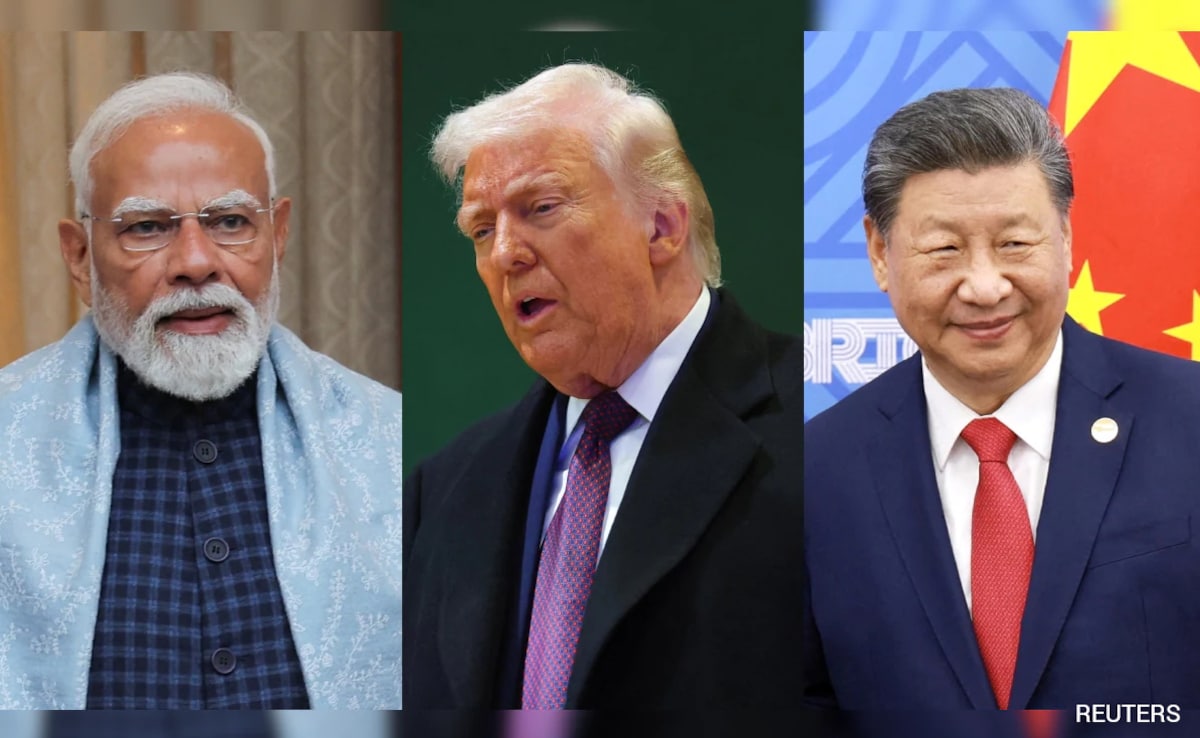
Geopolitics is often reduced to a series of hopeful tweets and shallow "indications" of diplomatic breakthroughs. The recent buzz surrounding a BJP leader’s post suggesting Iran might grant India "clearance" or preferential treatment in the Strait of Hormuz is a masterclass in strategic delusion. It assumes that a single bilateral relationship can override the brutal, structural realities of maritime chokepoints.
If you believe a "special pass" exists for Indian tankers in the world’s most volatile waterway, you don't understand how global energy markets—or naval blockades—actually function. If you enjoyed this post, you might want to check out: this related article.
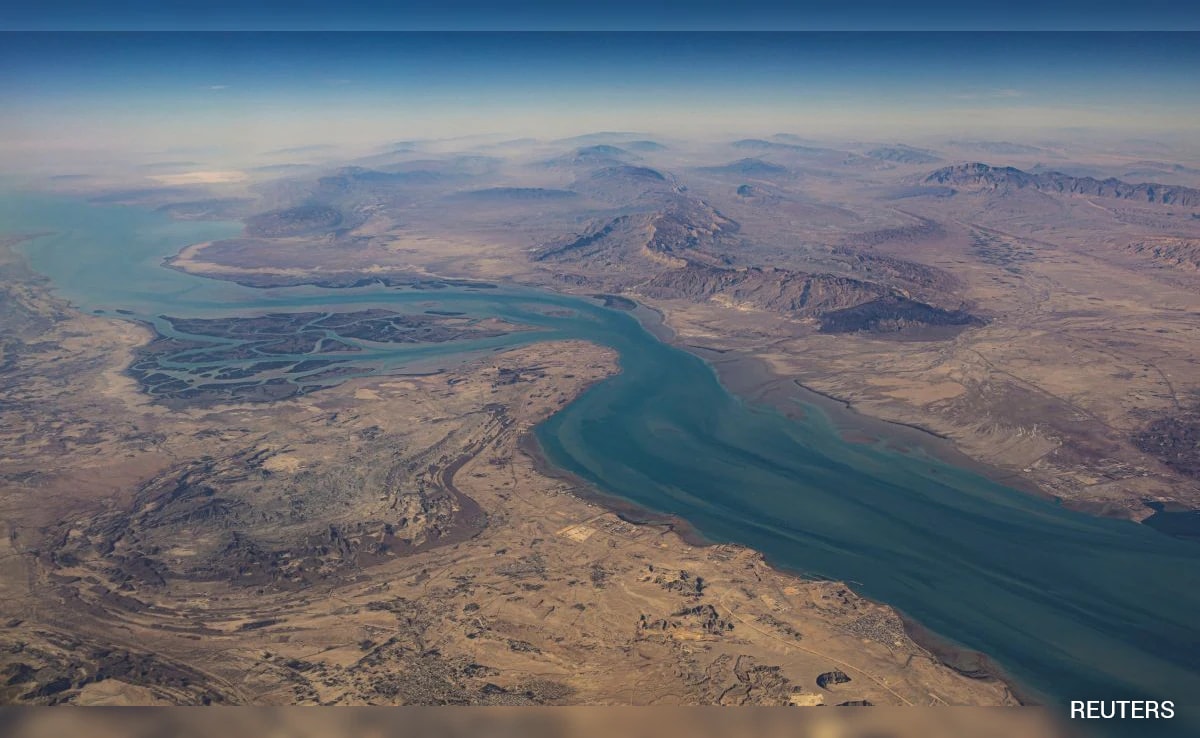
The Strait of Hormuz is not a toll booth where you can jump the line because you have a rapport with the operator. It is a 21-mile-wide jugular vein through which 20% of the world’s petroleum liquid consumption flows. When that vein is squeezed, the entire body goes into shock. India, despite its growing stature, remains a price taker in a market governed by systemic instability, not "special clearances."
The Myth of the Sovereign Pass
The "lazy consensus" suggests that India’s strategic autonomy and its nuanced relationship with Tehran provide a unique shield against disruptions in the Persian Gulf. This narrative is comforting. It is also wrong. For another angle on this development, see the recent update from The Motley Fool.
Iran does not control the Strait of Hormuz in a vacuum. It shares the waterway with Oman, and the legal framework governing it—the UN Convention on the Law of the Sea (UNCLOS)—stipulates "transit passage" for all vessels. However, Iran has never ratified UNCLOS. Tehran views the strait as a tactical lever to be pulled whenever Western sanctions become unbearable.
In a scenario where Iran decides to "clear" Indian vessels while targeting others, two things happen immediately, neither of which benefits New Delhi:
- Insurance Premiums Skyrocket: Lloyd's of London and other global insurers do not care about a BJP leader's tweet. If a waterway is declared a "War Risk Area," premiums for every vessel—regardless of flag or destination—triple or quadruple overnight. India’s "clearance" becomes a moot point when the cost of shipping the oil exceeds the value of the crude itself.
- The Escalation Ladder: A selective blockade is an invitation for a kinetic response. If Iran allows Indian tankers through while seizing others, the U.S. Fifth Fleet and its allies will respond. You cannot have "peaceful transit" for one nation in a combat zone.
I have seen energy analysts blow decades of credibility by ignoring the "Network Effect" of maritime security. You aren't just paying for the oil; you are paying for the stability of the system that delivers it. When the system breaks, everyone pays the "chaos tax."
Why the IMEC Corridor is a Distant Prayer, Not a Solution
The counter-argument often pivots to the India-Middle East-Europe Economic Corridor (IMEC). Proponents argue that by bypassing traditional routes, India can insulate itself from Middle Eastern volatility.
This is a fundamental misunderstanding of geography and infrastructure. IMEC is a multi-modal project involving rail, ship, and port transitions. Every time you move cargo from a ship to a train and back to a ship, you add a "friction cost."
- Standard Shipping: $X per container.
- Multi-modal (IMEC): $X + 40% (handling, transshipment, and administrative delays).
Furthermore, IMEC relies on a stable Saudi Arabia and a cooperative Israel. The current regional climate makes the "corridor" look more like a series of disconnected hallways. Betting on IMEC to solve the Hormuz dilemma is like trying to fix a leaky roof by building a house in another country. It doesn’t address the immediate crisis; it just creates a new set of logistical nightmares.
The Crude Reality of Energy Interdependence
India imports over 80% of its crude oil. While Russia has become a dominant supplier in the wake of the Ukraine conflict, the Middle East remains the bedrock of Indian energy security. The "Hormuz Clearance" narrative suggests that Iran is the only player that matters. It ignores the fact that Saudi, Iraqi, and Kuwaiti oil also must pass through that same 21-mile gap.
If Iran "clears" Indian ships, does that apply to ships carrying Saudi oil to India? Unlikely. Iran’s leverage is its ability to hurt its rivals. Giving India a pass on Saudi oil would negate the very purpose of an Iranian blockade.
The Illusion of "Strategic Autonomy"
India prides itself on "Strategic Autonomy"—the ability to talk to everyone and be beholden to no one. In diplomacy, this is an asset. In a naval blockade, it is a liability.
When things go south in the Gulf, the U.S. protects its interests and those of its treaty allies. India, by remaining unaligned, finds itself in a "security gray zone." It has no formal defense pact that guarantees the safe passage of its tankers. It relies on the "goodwill" of a regime in Tehran that is currently fighting for its existential survival against a tide of sanctions and internal unrest.
Trusting a "special post" or a "diplomatic indication" in this context is not strategy; it is a gamble with the nation's GDP.
The Technology Gap: Why "Clearance" Can't Be Enforced
Let's look at the mechanics of modern maritime interdiction. We aren't in the 1800s where a captain looks through a telescope and sees a flag. We are in an era of AIS (Automatic Identification System) spoofing, "dark fleets," and drone-led surveillance.
If Iran intends to filter traffic, they must use sophisticated Electronic Warfare (EW) to identify and sort vessels. The moment they do this, they expose their own coastal defense batteries to counter-fire.
Even if Iran wants to let Indian ships through, the fog of war makes it nearly impossible. A stray sea mine or a misidentified drone doesn't care about your diplomatic status. We saw this during the "Tanker War" of the 1980s. Neutral ships were hit constantly. The idea that 2026 will be any different because of a bilateral "understanding" is peak hubris.
Stop Asking if Iran Will Help India; Start Asking if India Can Help Itself
The question "Will Iran give India clearance?" is the wrong question. It frames India as a supplicant waiting for permission to exist.
The real question is: Why hasn't India built enough Strategic Petroleum Reserves (SPR) to survive a 90-day closure of the Strait? Currently, India's SPR capacity is roughly 9 to 10 days of consumption. That is the real scandal.
Instead of chasing the phantom of "special passes," the policy focus should be on:
- Massive SPR Expansion: Moving from 10 days to 90 days. This is the only "pass" that actually works.
- Domestic Production Incentives: Dismantling the bureaucratic nightmare that prevents deep-water exploration in India's own EEZ.
- Nuclear Baseload: Accelerating the shift away from oil-dependent power generation toward a robust nuclear and green hydrogen grid.
The Contrarian Truth: Iran Needs India More Than India Needs "Clearance"
The power dynamic is frequently portrayed backward. Iran is a crippled economy looking for a vent. India is the fastest-growing major economy on the planet.
Tehran uses "hints" of cooperation to keep India from fully aligning with the Western sanctions regime. These "indications" of clearance are tactical carrots dangled to prevent New Delhi from providing more support to the U.S.-led maritime coalitions like Operation Prosperity Guardian.
By entertaining the idea that Iran is doing India a favor, New Delhi risks being played. A "clearance" that cannot be enforced, in a waterway that would be a war zone, is worth less than the data used to tweet about it.
The Failure of the "Great Man" Theory of Diplomacy
The competitor article leans heavily on the idea that personal relationships between leaders or specific political "indications" can alter the course of history. This is the "Great Man" theory of history applied to logistics. It fails every time it meets a hard reality.
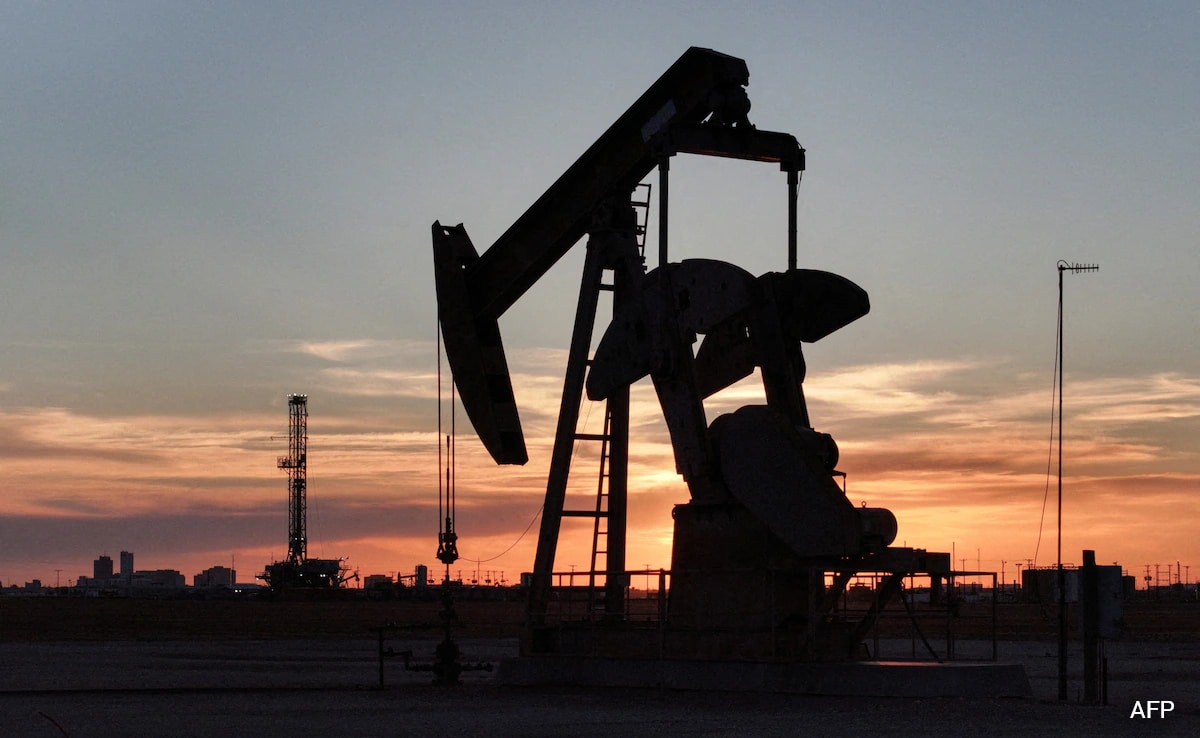
Oil flows where the price is right and the path is clear. It does not flow based on "special indications." If the Strait of Hormuz closes, the global price of Brent crude hits $150 or $200 per barrel within 72 hours. At that price, India’s economy enters a tailspin regardless of whether its tankers are moving. The inflation alone would shatter the domestic market.
You cannot be "clear" in a globalized economy when the rest of the world is on fire.
The next time you see a post about "special access" or "geopolitical breakthroughs" in the Persian Gulf, look at the tanker insurance rates first. If those aren't dropping, the news is noise.
Stop looking for a pass through the Strait. Build a country that doesn't need one.
Move the tankers or don't—the system is already rigged against the hopeful.
Would you like me to analyze the specific economic impact on India's fiscal deficit if Brent crude sustains a price above $120 for more than one quarter?