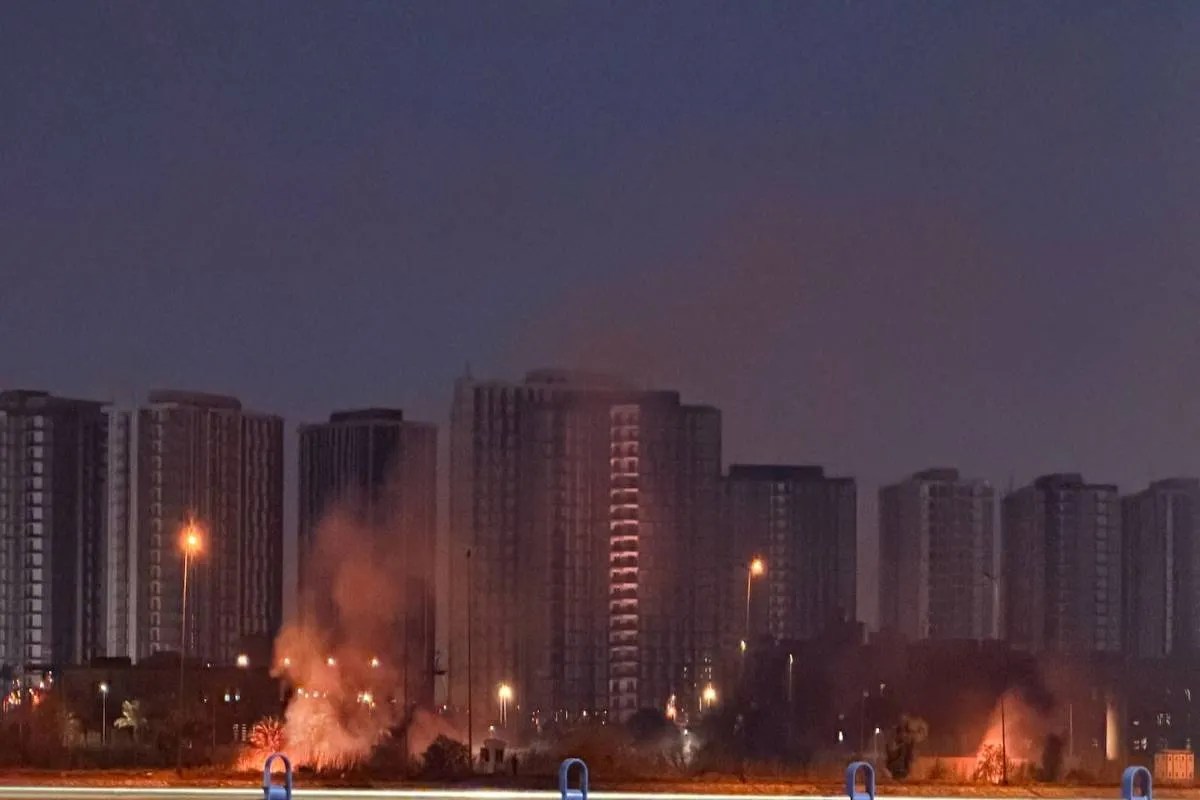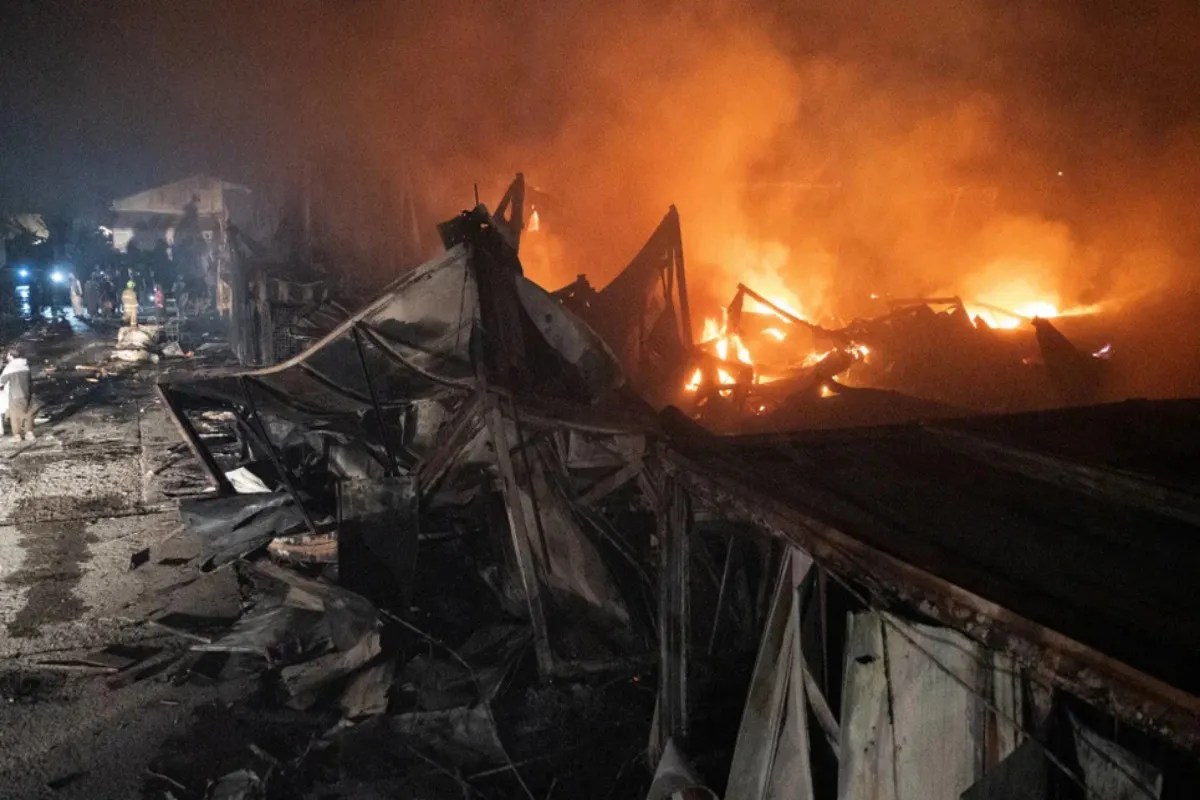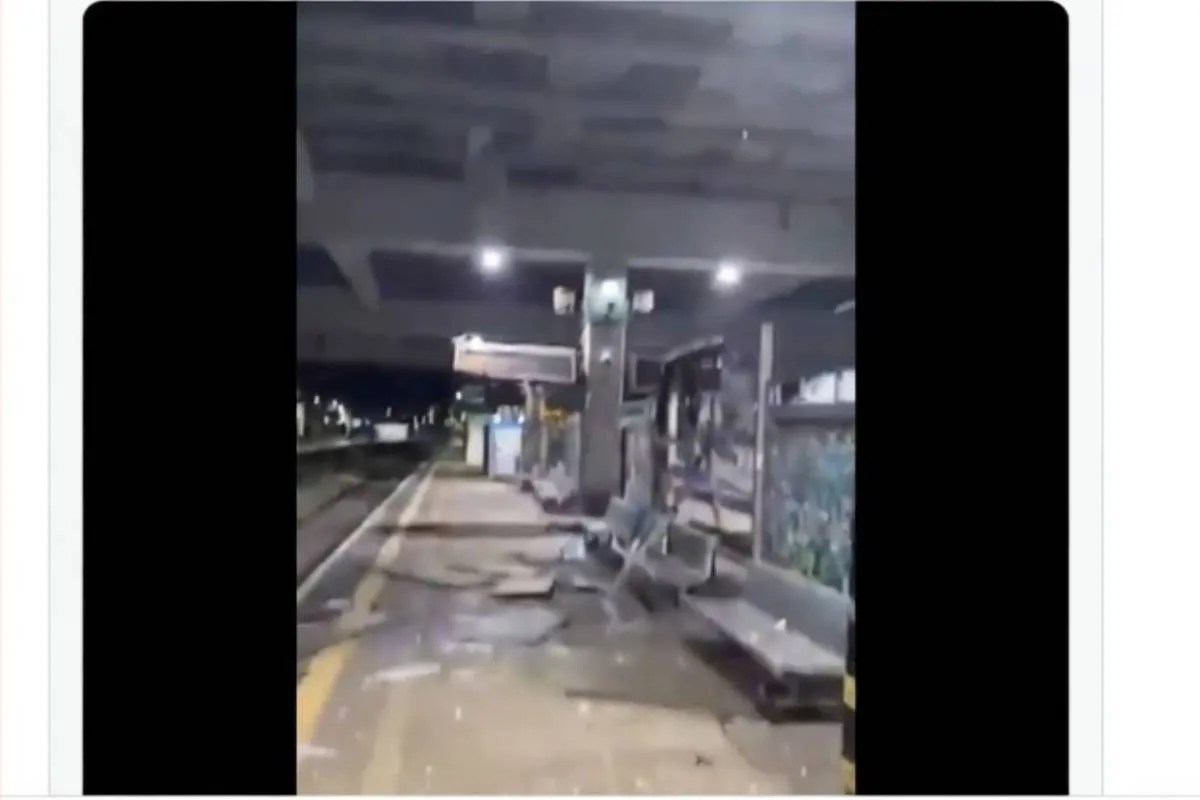
Media outlets are currently feasting on the clickbait of "nuclear strikes" and "Tel Aviv destruction." They want you to believe we are five minutes away from a scorched-earth apocalypse. They show you grainy footage of cluster munitions and flashes over Iranian facilities as if they are watching the end of the world in real-time.
They are lying to you by omission. Or worse, they simply don't understand the physics of modern warfare.
The "lazy consensus" suggests that a strike on an Iranian nuclear facility or a cluster bomb in Israel represents an immediate escalation to total war. It doesn't. In the world of high-stakes geopolitics, these are not opening salvos of a world war; they are calculated, expensive, and deeply limited signaling exercises.
The Myth of the "Vulnerable" Nuclear Plant
Let’s talk about Bushehr and Natanz. Every time a headline screams about an attack on a nuclear site, the public imagines a Chernobyl-style plume drifting across the continent.
It’s nonsense.
Hardened nuclear facilities are among the most difficult targets on the planet to actually "destroy." You aren't just dropping a bomb on a building; you are trying to penetrate dozens of meters of reinforced concrete and granite. Even a successful kinetic strike usually only disrupts the surface infrastructure—the cooling pipes, the electrical grids, or the administrative wings.
The core stays intact. Why? Because both sides know that actually cracking a reactor core is a "red line" that ends the game for everyone, including the attacker. Israel doesn't want a radioactive cloud drifting over the Middle East any more than Iran wants its own soil poisoned for a thousand years.
When you see "Attack on Nuclear Plant," read it for what it actually is: A targeted disruption of the supply chain. It's an act of industrial sabotage performed with a missile. It's meant to delay enrichment by eighteen months, not to turn the region into a wasteland.
Cluster Bombs and the Theatre of Terror
The reports of cluster munitions hitting Tel Aviv or the outskirts of Israeli hubs are designed to trigger a specific emotional response: raw, unadulterated panic.
Cluster bombs are horrific. They are also, in the context of a state-on-state conflict between two sophisticated militaries, remarkably inefficient.
I’ve spent years analyzing defense procurement and the mechanics of "Iron Dome" style saturation. Cluster munitions are "dumb" area-denial weapons. Using them against a city like Tel Aviv isn't a strategic military move; it's a desperate attempt to overwhelm missile defense sensors with sheer volume.
The media focuses on the "destruction." The reality? Most of these submunitions are intercepted or fail to detonate on impact, creating a long-term EOD (Explosive Ordnance Disposal) nightmare rather than a tactical victory. If you are tracking "destruction" by the number of videos on X, you are being played by an algorithm designed to prioritize high-contrast flashes over actual strategic shifts.
The Battery Math Nobody Wants to Do
Everyone asks, "Will Israel retaliate?" or "Can Iran sustain this?"
They are asking the wrong questions. The real question is: How many interceptors are left in the warehouse?
Modern warfare is a ledger, not a movie. An Iron Dome interceptor costs roughly $40,000 to $50,000. A David’s Sling interceptor costs about $1 million. The ballistic missiles Iran fires can cost anywhere from $100,000 to $2 million.
We are seeing a war of attrition played out in bank accounts. The "devastation" in Tel Aviv isn't the broken glass; it's the fact that Israel might have to spend $1 billion in a single night just to keep the glass from breaking.
The Cost-Exchange Ratio Table
| Weapon System | Estimated Unit Cost | Interceptor Required | Interceptor Cost |
|---|---|---|---|
| Shahed Drone | $20,000 | Tamir (Iron Dome) | $50,000 |
| Fattah-1 (Hypersonic) | $150,000+ | Arrow 3 | $2M - $3.5M |
| Grad Rocket | $1,000 | Iron Dome | $50,000 |
Do the math. The aggressor wins by forcing the defender to spend 10x to 100x more on defense than the cost of the attack. When the media shows you a video of a "successful" interception, they are showing you a tactical win but a massive fiscal loss.
The Video Evidence Fallacy
"See the video," the competitor says.
I have watched thousands of these clips. 90% of the "breaking news" footage from these conflicts is either:
- Recycled footage from the 2021 clashes.
- Video game captures (yes, Arma 3 is still fooling news desks).
- Out-of-context explosions from industrial accidents.
The rush to be first has murdered the requirement to be right. When an explosion happens in Isfahan, you get ten different angles of the same firework-sized blast, framed to look like a tactical nuke.
If you want to know what's actually happening, stop looking at the flashes. Look at the tanker movements in the Persian Gulf. Look at the insurance premiums for commercial flights. If the planes are still flying nearby, the "devastation" is localized and managed.
Stop Asking if War is Coming
The most common "People Also Ask" query is: "Is World War III starting in the Middle East?"
The premise is flawed. We are already in a state of "Permanent Grey-Zone Conflict." The binary of "Peace" vs. "War" is a 20th-century relic.
In the modern era, nations trade blows daily through:
- Stuxnet-style cyber attacks that fry centrifuges without a single shot fired.
- Proxy attrition where third parties handle the "cluster bomb" optics.
- Economic strangulation that hurts more than a missile ever could.
The "destruction" you see on the news is the tip of the iceberg. The real war is happening in the undersea cables and the central bank ledgers. If you’re waiting for a formal declaration of war to start worrying, you’ve already missed the first three chapters of the conflict.
The Contrarian Reality of Nuclear Deterrence
Here is the truth that will get me uninvited from the talk-show circuit: Iran having a "near-nuclear" status actually stabilizes the region more than a total vacuum of power would.
When both sides have the "big stick," the threshold for a full-scale ground invasion skyrockets. The skirmishes we see—the missile strikes on plants, the drone swarms—are safety valves. They allow both regimes to satisfy their domestic hardliners by "doing something" without actually committing to a conflict that would end their reign.
The media paints this as "escalation." I call it "aggressive equilibrium."
The Real Risks Nobody Mentions
While you're worried about a mushroom cloud, you should be worried about:
- GPS Spoofing: The tech that makes your Uber work is being jammed across the Levant. This has massive implications for global logistics and civil aviation that far outweigh a few broken windows in Tel Aviv.
- The Drone Proliferation: We have entered an era where a $500 hobbyist drone can disable a $100 million radar installation. The "status quo" of military superiority is dead.
- Information Fatigue: By screaming "World War III" every Tuesday, the media ensures that when a truly existential threat emerges, the public will treat it like just another notification to be swiped away.
The Strategy for the Sane
If you want to actually understand the Israel-Iran conflict, ignore the "Breaking News" banners.
Follow the energy markets. If oil isn't hitting $120 a barrel, the "destruction" you're seeing isn't systemic.
Follow the satellite imagery of cargo ports, not the handheld TikTok videos of sirens.
Follow the money, not the fire.
The competitor wants you to watch the video and feel the heat. I’m telling you to look at the thermostat. The temperature is being controlled by people far colder and more calculating than the pundits want you to believe.
Move your eyes away from the "destruction" and toward the logistics. That is where the war is won or lost. Everything else is just expensive lighting for a very dangerous play.
Go check the price of Brent Crude right now. If it hasn't jumped 15% in the last hour, close the news tab and go back to work.