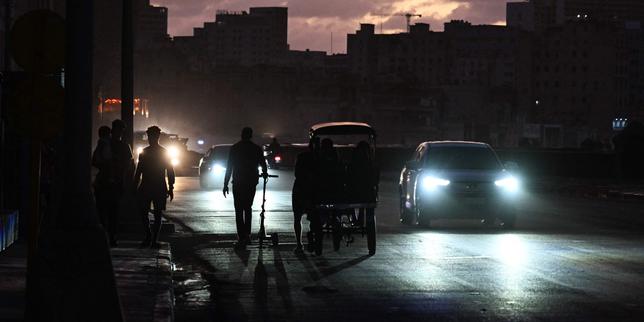
Cuba is currently a nation trapped in a recurring loop of darkness. When the national grid collapsed for the second time in a single week, it wasn't just a technical glitch or a localized failure of a single transformer. It was the terminal groan of an energy infrastructure that has been cannibalized for decades. While official government statements point to fuel shortages and the impact of recent storms, the reality is far more systemic. The island is experiencing a total mechanical and financial exhaustion of its power generation capabilities, a state where the margin for error has hit zero.
To understand why the lights keep going out, one must look past the immediate headlines of "blackouts" and "protests." The Cuban grid is a patchwork of Soviet-era thermal plants and aging portable generators that are being pushed far beyond their intended lifespans. This isn't a temporary crisis that a few shipments of crude oil can fix. It is a fundamental collapse of the state’s ability to maintain the basic requirements of modern life.
The Anatomy of a Total System Failure
The recent total grid collapses—known as "disconnection of the national electro-energetic system"—occur because the frequency of the grid cannot be maintained. In a healthy power system, supply and demand exist in a delicate dance. When a major plant like the Antonio Guiteras facility in Matanzas trips due to a mechanical failure or a lack of fuel, the sudden drop in supply causes the grid's frequency to plummet.
If the system had enough "spinning reserve"—idle capacity ready to kick in—it could compensate. Cuba has none. When one domino falls, the remaining plants try to pick up the slack, overload themselves, and automatically shut down to prevent their own turbines from shattering. This creates a cascading effect that leaves eleven million people in the dark within minutes.
The "why" behind these failures is a cocktail of deferred maintenance and a desperate reliance on "distributed generation." In the mid-2000s, under the "Energy Revolution," Cuba moved away from relying solely on massive central plants, instead installing thousands of smaller diesel generators across the country. While this was intended to make the grid more resilient to hurricanes, it created a logistical nightmare. These small units require constant deliveries of diesel by truck—a fuel that is increasingly scarce and expensive.
The Russian and Venezuelan Lifelines are Fraying
For years, Cuba’s energy strategy was built on the assumption of subsidized oil. First from the Soviet Union, then from Venezuela. That era is over. Venezuela’s own internal economic decay has slashed its ability to send shipments to Havana. While Caracas still provides some oil, the volumes are a fraction of what they were a decade ago.
This has forced the Cuban government to hunt for fuel on the open market, where they must pay in hard currency. But the Cuban economy is starved of dollars. Tourism hasn't recovered to pre-pandemic levels, and the country’s main exports are stagnating. When the government has to choose between buying food for the population or fuel for the turbines, they are essentially choosing which type of riot they want to face first.
Russia has occasionally stepped in with shipments, but Moscow is preoccupied with its own geopolitical interests and a costly war in Ukraine. They are no longer interested in the "charity" shipments of the Cold War era. Every barrel that arrives now comes with strings attached or is a temporary bandage on a wound that requires major surgery.
The Floating Power Plant Illusion
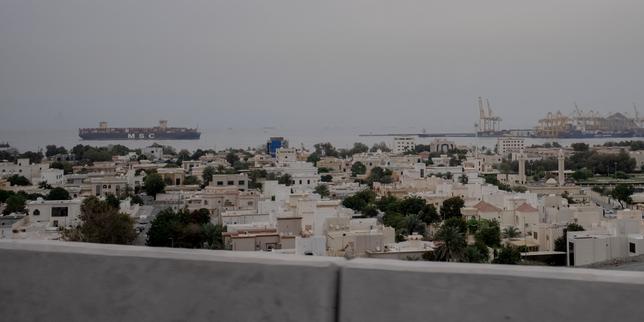
In a desperate bid to keep the capital, Havana, powered, the government has turned to Turkish company Karadeniz Holding, which operates "powerships"—massive vessels that act as floating power plants. These ships plug directly into the Cuban grid.
While these ships provide a significant percentage of the island's electricity, they are an incredibly expensive stopgap. They require high-quality fuel and lease payments in foreign currency. More importantly, they don't fix the mainland's crumbling transmission lines. Even if the Turkish ships produce 100% of the needed power, the wires that carry that electricity to homes in Santiago or Holguín are so degraded that massive amounts of energy are lost as heat before they ever reach a lightbulb.
This reliance on foreign-owned floating plants is a vivid illustration of the state’s surrender. They can no longer build or maintain their own infrastructure; they are effectively renting a heartbeat for a dying patient.
The Human Cost of Thermal Instability
Behind the technical data of megawatts and frequency drops is a population reaching its breaking point. In the heat of the Cuban summer and the humidity of the autumn, no electricity means no fans, no refrigeration, and, critically, no water. Most Cuban homes rely on electric pumps to move water into rooftop tanks. When the power stays off for 48 or 72 hours, the water runs out.
Food spoilage is the silent killer of the household budget. In an economy where a kilogram of meat can cost a week's wages, losing a freezer full of food to a blackout is a financial catastrophe for a family.
The government’s response has been to plead for "energy saving" and to shut down non-essential state industries. But you cannot "save" your way out of a 50% deficit in generation. The math simply doesn't work. The gap between what the country needs and what the aging plants can provide is growing wider every month.
Why Renewables Aren't the Immediate Answer
There is a common argument that Cuba should simply "pivot to solar." The island has no shortage of sun. However, transitioning a national grid to renewable energy requires two things Cuba lacks: massive upfront capital and a stable base-load grid to balance the intermittent nature of solar and wind.
You cannot stabilize a collapsing 1970s power grid by plugging in solar farms without massive battery storage systems. The cost of such a transition would be in the billions of dollars. Currently, renewables account for less than 5% of Cuba's energy mix. While the government has set ambitious goals to reach 24% or even 30% by 2030, these targets are fantasies without a massive influx of foreign investment—investment that is wary of a country that frequently defaults on its debts.
The Political Deadlock
The energy crisis is now the primary threat to the stability of the Cuban government. The protests of July 2021 were sparked in part by long blackouts in the provinces. The leadership knows that every hour the lights are off, the risk of civil unrest grows.
Yet, they are trapped. To fix the grid, they need to end the centralized control that defines their political system, allowing for private investment in the energy sector and real market prices for electricity. But doing so would mean ceding control over the most vital artery of the nation.
Instead, they opt for "patch and pray." They take parts from one failing plant to fix another. They wait for a tanker of oil to arrive from a friendly nation. They issue press releases about "heroic" workers laboring through the night to restore the system.
The Inevitability of the Next Collapse
We must stop treating these national blackouts as isolated events. They are the symptoms of a system that has reached its physical limits. The Antonio Guiteras plant is over 35 years old; most of the units in the Mariel or Felton plants are even older. Thermal plants are not designed to be turned on and off constantly to manage "load shedding." The thermal stress of these repeated shutdowns and startups causes pipes to burst and boilers to fail, leading to even more blackouts.
It is a death spiral. The more the grid fails, the more the equipment is damaged, making the next failure more likely and more difficult to recover from.
To resolve this, the country would need to replace its entire base-load generation fleet. That is a project that takes a decade and requires billions in credit. Under the current economic model and international sanctions regime, that credit does not exist. The island is not just facing a "bad week" for its power grid; it is witnessing the permanent sunset of its industrial-era energy infrastructure.
Check your own household's resilience by calculating your minimum wattage needs for essential medical and communication devices before the next regional instability occurs.