The ultimatum delivered to Tehran regarding the Strait of Hormuz has shifted the global energy conversation from theoretical risk to immediate tactical reality. By threatening direct strikes on Iranian electrical infrastructure if the world’s most vital maritime chokepoint is not cleared within 48 hours, the administration is not just posturing. It is signaling a fundamental shift in how the United States intends to handle energy blackmail. This is no longer a game of slow-moving sanctions or diplomatic notes. It is a high-stakes bet on the fragility of the Iranian domestic grid.
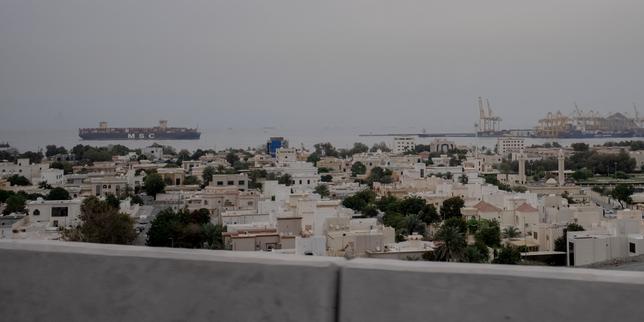
The Strait of Hormuz is a narrow stretch of water where $20$ million barrels of oil pass daily. That represents roughly a fifth of the world’s daily consumption. When Iran threatens to shutter this passage, they aren't just targeting tankers; they are targeting the heart of the global economy. However, the counter-threat—leveling the power plants that keep Iranian cities running—exposes a massive asymmetry in this conflict. Iran can stop the oil, but the United States can stop the lights.
The Strategic Fragility of the Iranian Grid
Targeting electrical infrastructure is a surgical choice designed to maximize domestic pressure on the Iranian leadership. Unlike oil refineries, which are often hardened and heavily defended, electrical substations and power generation plants are "soft" targets. They are difficult to hide and even harder to protect from modern precision munitions. If the Iranian grid goes dark, the internal stability of the regime faces a crisis that no amount of anti-Western rhetoric can easily solve.
Energy analysts have long pointed out that Iran’s power sector is already under significant strain. Years of underinvestment and secondary sanctions have left the country with a narrow reserve margin. During peak summer months, blackouts are already common. By putting these specific assets in the crosshairs, the U.S. is essentially threatening to push an already struggling system over the edge.
The Mechanics of the 48 Hour Window
The two-day deadline is not a random number. It represents the "transit lag" for global markets to price in a total shutdown. In the shipping world, 48 hours is the time it takes for a fleet of tankers to either commit to a dangerous passage or begin the costly process of turning around or idling in the Gulf of Oman. By setting this clock, the administration is forcing a binary choice before the global insurance markets for shipping go into a total tailspin.
If the Strait remains closed beyond this window, the cost of insuring a single VLCC (Very Large Crude Carrier) could jump by 300% or more in a single afternoon. Most shipowners simply won't sail under those conditions. The threat of strikes is intended to preempt this market freeze by showing that the cost to Iran for maintaining the blockade will be immediate and catastrophic.
Why Infrastructure Strikes Matter More Than Sanctions
Sanctions take months to bleed a treasury. A cruise missile takes minutes to disable a transformer. The move to target electricity reflects a growing impatience with the "maximum pressure" campaigns of the last decade. Those campaigns successfully cratered the Rial and limited oil exports, but they failed to stop Iranian maritime provocations.
The focus on the electrical sector also avoids the immediate environmental catastrophe that would come from hitting oil terminals or tankers directly. It is a cleaner, more targeted form of economic warfare. Without electricity, Iran’s ability to coordinate its own coastal defenses, run its command-and-center hubs, and manage its domestic population evaporates.
The Counter-Argument of Escalation
Critics of this "strike-first" doctrine argue that it leaves the Iranian regime with no choice but to escalate further. If their power plants are hit, the IRGC (Islamic Revolutionary Guard Corps) may feel compelled to launch retaliatory strikes against desalination plants or refineries in neighboring Gulf states. This "tit-for-tat" on critical infrastructure could transform a localized shipping dispute into a regional energy war.
However, the administration’s gamble relies on the belief that Iran knows it cannot win a prolonged kinetic engagement. While Iran can cause immense short-term pain by mining the Strait or using swarm boats against tankers, they lack the "depth" of infrastructure to survive a sustained aerial campaign against their domestic assets.
The Global Market Reaction
Wall Street and the oil hubs of London and Singapore are watching the 48-hour clock with unprecedented focus. Brent crude prices typically spike on the mere rumor of a Strait closure. In this scenario, we aren't looking at a $5 or $10 jump. We are looking at the potential for a "gap up" in prices that could see oil test $150 or higher if the ultimatum passes without a resolution.
Impact on Global Logistics
- Shipping Rates: Day rates for tankers will skyrocket as "war risk" premiums are applied.
- Supply Chains: Any delay in the Gulf affects not just oil, but the massive flow of liquefied natural gas (LNG) from Qatar.
- Alternative Routes: The East-West Pipeline through Saudi Arabia can bypass some of the volume, but it cannot handle the full $20$ million barrels per day capacity of the Strait.
The reality is that there is no "Plan B" for a closed Strait of Hormuz. The global economy is physically tethered to that waterway. By threatening the Iranian grid, the U.S. is attempting to use the only leverage that might be more valuable to the Iranian government than the Strait itself: their own survival and domestic order.
Tactical Reality vs Political Posturing
There is a difference between a threat and a mission order. Military planners in CENTCOM (United States Central Command) have likely already updated the target folders for the major Iranian power hubs like the Damavand or Shahid Rajaee plants. These facilities are the backbone of Northern Iran’s industrial capacity.
The sophistication of modern standoff weapons allows for these strikes to be carried out from hundreds of miles away, well outside the range of Iran’s coastal defense batteries. This creates a "standoff" advantage where the U.S. can inflict massive structural damage without putting significant numbers of pilots at risk. This technical superiority is the silent partner in the 48-hour ultimatum.
The Question of "Proportionality"
International law regarding the targeting of dual-use infrastructure—facilities that serve both military and civilian needs—is notoriously gray. Electricity keeps hospitals running, but it also powers the radars that track U.S. drones. By framing the threat around "infrastructure," the administration is keeping its options broad. It could mean hitting a single substation to send a message, or it could mean a total "lights out" operation for the entire Persian Gulf coastline of Iran.
The Shift in Maritime Rules of Engagement
For decades, the policy in the Gulf was one of "freedom of navigation" patrols. The U.S. Navy would sail through, Iran would harass them, and both sides would return to a tense status quo. That era appears to be over. The current posture treats the closure of the Strait not as a maritime violation, but as an act of war that justifies a kinetic response against the Iranian mainland.
This is a high-velocity approach to foreign policy. It skips the traditional escalation ladder and goes straight to the top. The risk is immense, but the argument from the veteran analysts in the room is that the "slow burn" of diplomacy has only allowed Iran to perfect its blockade tactics.
The next 48 hours will determine if this is a masterclass in coercive diplomacy or the beginning of a conflict that will redefine the energy map of the 21st century. If the Strait doesn't open, the subsequent roar of jet engines and the sudden silence of the Iranian grid will mark a point of no return.
Watch the shipping transponders near the Musandam Peninsula. They will tell you who is winning this standoff long before the official statements are released. If the tankers begin to move, the threat worked. If they stay anchored, the world should prepare for a very dark week in the Middle East.
Ask yourself what happens to the price of a gallon of gas when the world’s most important waterway becomes a combat zone. That is the question every CEO and head of state is currently trying to answer.