A cold wind rattles the windowpanes of the Diaoyutai State Guesthouse in Beijing, but inside, the air is heavy with the kind of stillness that only precedes a storm. We often think of geopolitics as a series of press releases and handshakes. It isn't. It is the sound of expensive shoes clicking on marble, the scent of oolong tea cooling in a porcelain cup, and the agonizing wait for a phone call that may never come.
In the corridors of power, the schedule is everything. When a summit is delayed, it isn't just a calendar conflict. It is a message. The planned meeting between Donald Trump and Xi Jinping has slipped through the fingers of the planners, drifting into a murky future. While the public hears about "logistics," the reality is a high-stakes game of chicken played with the global economy as the prize.
The Architect in the Room
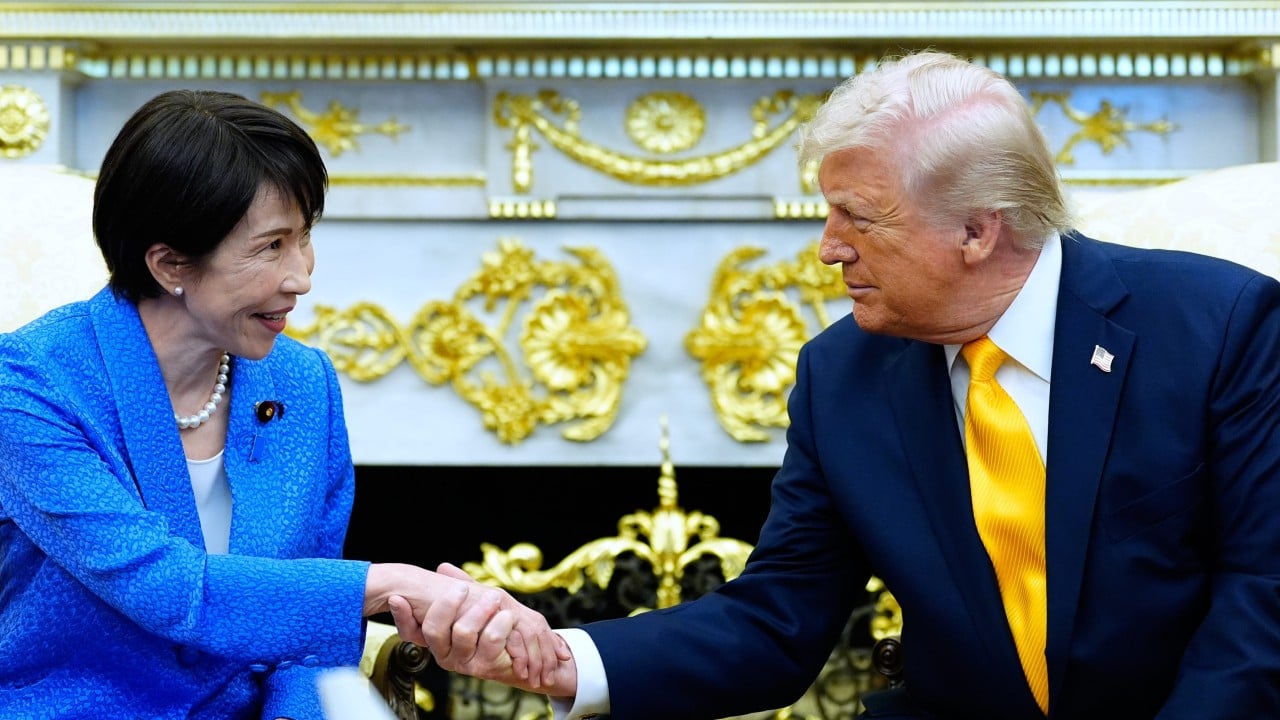
Imagine a mid-level diplomat. Let’s call him Kenji. He has spent twenty years studying the nuances of the Japanese-American alliance. To Kenji, the news that Trump intends to shower Japan with praise during his stopover in Tokyo isn't just a diplomatic courtesy. It is a strategic pivot.
When the American President stands in Tokyo and speaks of the "unshakeable bond" with Japan, he isn't just talking to the Japanese people. He is shouting across the East China Sea. He is telling Beijing that if the chairs at the negotiating table remain empty, he has other friends. He has other options.
Japan has long played the role of the quiet, reliable anchor in the Pacific. By elevating Tokyo, the U.S. creates a friction point. It is a classic move of highlighting a rival's neighbor to ensure the rival feels the chill of isolation. For the person on the street in Osaka or the salaryman in Tokyo, this means a temporary sense of security. But for the strategists, it is a tightening of the knot.
The Ghost of the Summit
The delay of the Xi-Trump summit is the ghost haunting every trade floor from New York to Hong Kong. Markets hate silence. They thrive on the predictable, even if the predictable is bad news. This current state of "not yet" is a vacuum.
Consider the farmer in Iowa or the tech CEO in Shenzhen. They are both looking at the same blank space on the calendar. Without a signed agreement, or at least a face-to-face dialogue, the tariffs remain like a guillotine suspended by a fraying rope. The delay suggests that the "Phase One" deal—the supposed light at the end of the tunnel—is still trapped in the dark.
Why the hesitation? Because both men are masters of the "big reveal." Xi Jinping cannot afford to look like he is bowing to Western pressure while his domestic economy faces its own internal pressures. Trump, ever the showman, won't walk into a room unless he is certain he can walk out with a victory lap. They are two gravity wells orbiting one another, waiting for the other to blink.
The Unlikely Dialogue
While the headlines focus on the missing summit, something far more visceral is happening in the background. It is a development that would have seemed impossible a decade ago: the People’s Liberation Army (PLA) is talking to NATO.
This is the sound of the world’s gears grinding into a new alignment.
For years, NATO looked East with a sense of distant curiosity. Now, that curiosity has turned into a survival instinct. The PLA-NATO talks are not about friendship. They are about de-confliction. They are about making sure that a stray signal, a misunderstood radar blip, or an overzealous captain in the South China Sea doesn't ignite a fire that no one can put out.
Think of it as two heavyweight boxers who hate each other, sitting down in a locker room to agree on where the low blows start. It is a conversation born of fear, not of fellowship.
The Invisible Stakes
We often discuss these events in terms of GDP or trade deficits. Those are just numbers on a screen. The real stakes are found in the supply chains that connect a factory in Guangdong to a retail shelf in Ohio.
When Trump praises Japan, he is signaling a desire for a "Blue Dot" network—a world where infrastructure and trade flow through trusted, democratic channels. It is a direct challenge to the Belt and Road Initiative. It is an attempt to rewrite the map of the 21st century.
The friction is palpable. You can feel it in the way international shipping rates fluctuate and in the way venture capital sits on the sidelines, waiting for a signal that the world isn't about to split into two irreconcilable halves. We are witnessing the slow-motion birth of a bipolar world.
One side is anchored by the traditional alliances of the post-war era, now being aggressively courted and reminded of their value. The other is a rising, assertive power that views the current "order" as a cage designed to keep it small.
The Silence of the Sea
Deep in the waters of the Pacific, the submarines of a dozen nations move in a silent, deadly ballet. This is the physical reality behind the diplomatic delays. Every time a summit is postponed, the tension in those waters rises by a few degrees.
The delay isn't a pause button. It's a pressure cooker.
The world is waiting for a signature, a handshake, or even a shared meal. Instead, we have a scheduled trip to Tokyo and a series of "maybe later" notes from Beijing. The human cost of this uncertainty is measured in the anxiety of millions whose livelihoods depend on the flow of goods across an ocean that feels wider every day.
The porcelain cup is cold now. The shoes have stopped clicking. The Guesthouse is silent. Somewhere, a phone is ringing, but the person on the other end isn't ready to answer. They are waiting for the perfect moment, oblivious to the fact that in the world of power, the perfect moment is often the one you just let slip away.
The sea remains vast, indifferent to the men who try to claim it, yet it carries the weight of every word they refuse to speak.