The Middle East is currently holding its breath, and for good reason. Despite three weeks of intense U.S. and Israeli airstrikes aimed at dismantling Tehran's military machine, the Islamic Revolutionary Guard Corps (IRGC) just issued a chilling reality check. They aren't just surviving; they're still building.
On March 20, 2026, IRGC spokesperson Gen. Ali Mohammad Naeini basically told the world that the "weak Iran" narrative is a myth. He gave the country’s missile industry a "perfect score of 20," claiming production continues at an "astonishing" rate even while bombs are falling on Iranian soil. This isn't just tough talk for a domestic audience. It's a direct threat to the Gulf states—Saudi Arabia, the UAE, Kuwait, and Qatar—who are finding out the hard way that neutrality doesn't buy you safety in a total war.
The Myth of a Neutered Arsenal
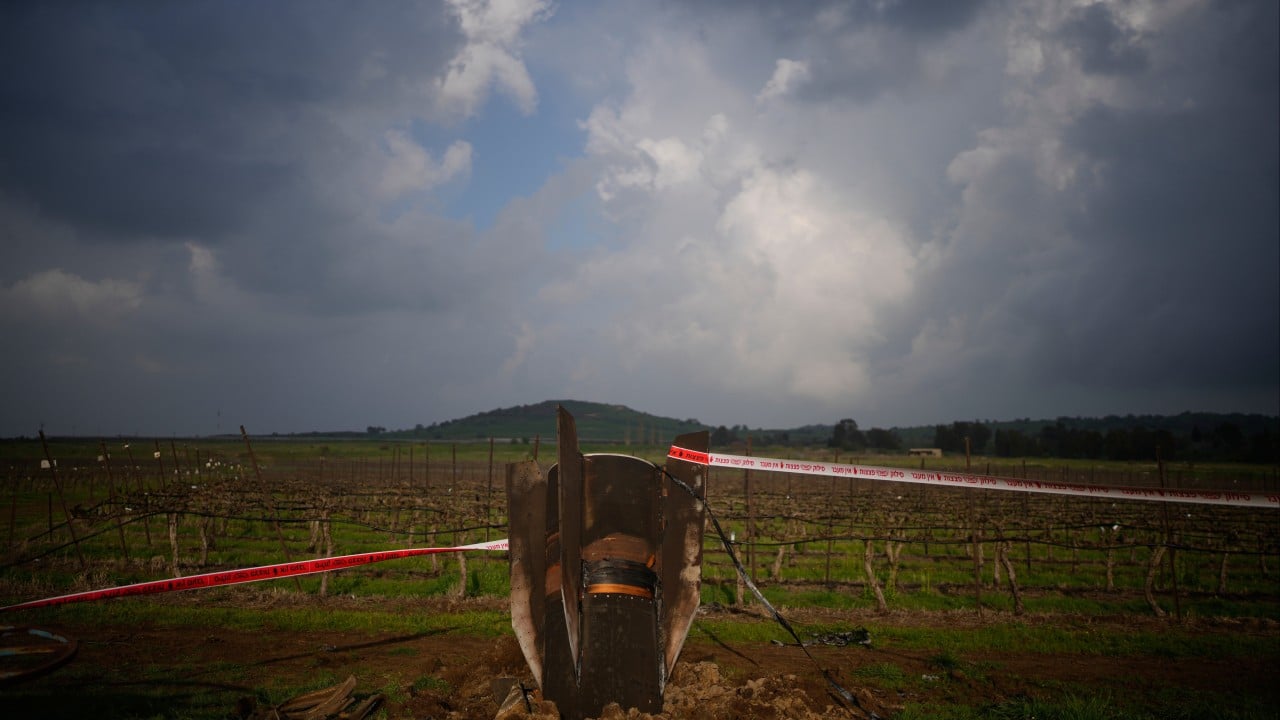
Israeli Prime Minister Benjamin Netanyahu recently claimed that Iran’s ability to produce ballistic missiles was effectively "taken out." The IRGC’s response was a loud, explosive "no." If Naeini is telling the truth, the underground missile "cities" we’ve heard about for years are doing exactly what they were designed to do: keep the assembly lines moving under the heaviest pressure imaginable.
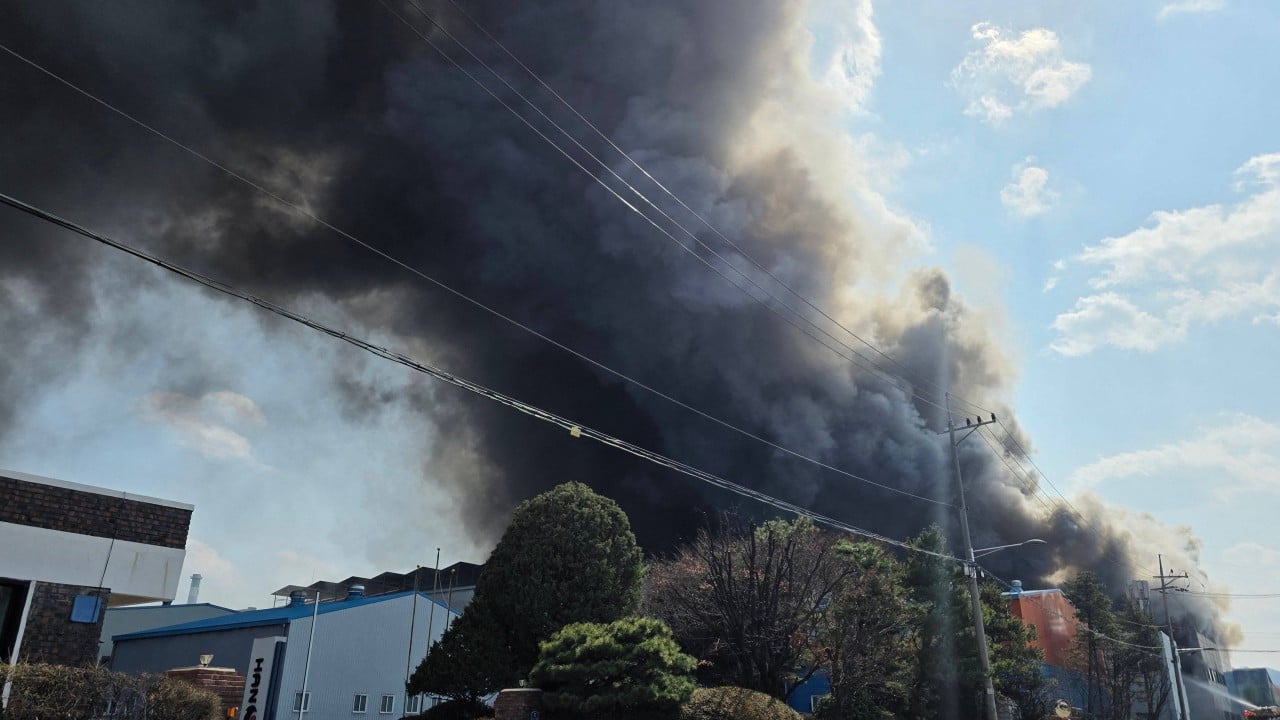
Think about the sheer scale of this. Since Operation Epic Fury began on February 28, the U.S. and Israel have hit nearly 900 targets in the first 12 hours alone. They've killed the Supreme Leader, Ali Khamenei. They've hit nuclear sites and intelligence headquarters. Yet, the drones keep flying. Just this morning, Kuwait’s Mina Al-Ahmadi refinery was hit twice by Iranian drones. Fire crews are still fighting the blazes.
If you’re sitting in Dubai or Abu Dhabi, these aren't just headlines. They're direct hits on the "umbilical cord" of the global economy.
Gulf States Caught in the Crossfire
For years, the GCC countries tried to play both sides. They hosted U.S. bases while keeping diplomatic channels open with Tehran. That strategy is dead. Iran is now treating any country hosting American assets as a legitimate target.
The numbers are staggering. Iran has fired almost 2,000 missiles and drones at the UAE alone since the war started. That's more than they've fired at Israel. Why? Because hitting a refinery in Kuwait or a hotel in Dubai causes more global panic than hitting a military outpost in the Negev. It's economic warfare disguised as regional defense.
- Kuwait: Facing repeated drone strikes on critical oil infrastructure.
- UAE: Dealing with civilian casualties and a complete halt in local trading.
- Qatar: Forced to declare force majeure on LNG production after halting operations on March 2.
The "indivisible security" of the GCC is being tested like never before. They've spent billions on missile defense systems, and while they're intercepting a lot, the sheer volume of Iranian "cheap" tech is overwhelming the "expensive" interceptors.
The Mojtaba Factor and the New Leadership
With the elder Khamenei gone, the mystery surrounding his son and successor, Mojtaba Khamenei, is fueling the fire. He hasn't been seen in public since being named Supreme Leader. Rumors are swirling that he was injured in the initial strikes.
In his absence, the IRGC is likely calling the shots. This explains the shift from calculated proxy warfare to direct, blunt force trauma against neighbors. The message from Tehran is clear: if we go down, we’re taking the global energy market with us.
Why the US and Israel Miscalculated
The West assumed that decapitating the leadership and hitting the factories would lead to an immediate collapse or a popular uprising. It hasn't happened. Instead, the "shadow of war" has unified the hardliners.
By targeting the missile program so aggressively, the U.S. and Israel may have inadvertently triggered the "use it or lose it" reflex. If Iran thinks its stockpiles are going to be destroyed on the ground, they’re going to launch everything they have while they still can.
What Happens Next
The global economy is already feeling the bite. Petrol prices are spiking, and insurance for shipping in the Gulf has basically vanished. If you’re looking for a silver lining, there isn't one right now. The Gulf states are realizing that their "NATO-like" unified command is still more of a concept than a reality.
If you want to understand where this goes, stop watching the diplomatic cables and start watching the refineries. The IRGC has made it clear that "security must be taken away" from their enemies. As long as those assembly lines in the mountains keep churning out precision-guided hardware, no one in the region is truly safe.
Check the latest shipping advisories if you have interests in the Strait of Hormuz. Monitor the energy spot prices; they’re the only honest indicator of how bad this is getting.