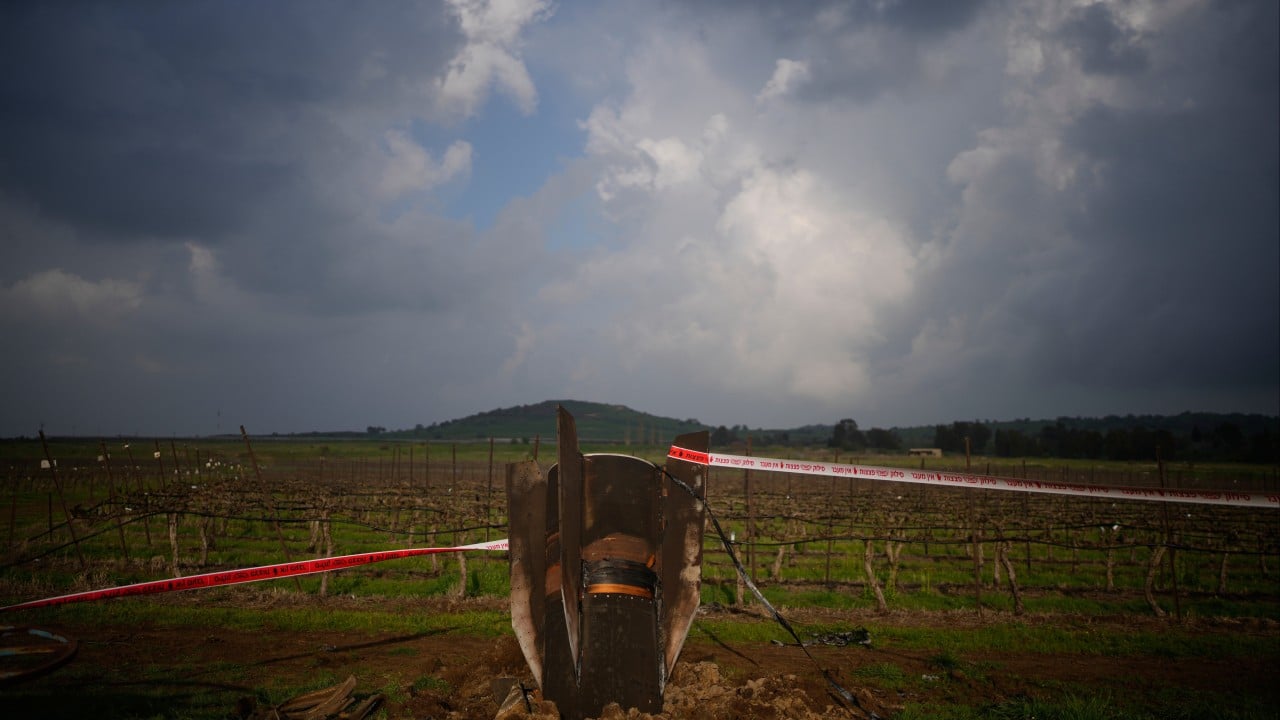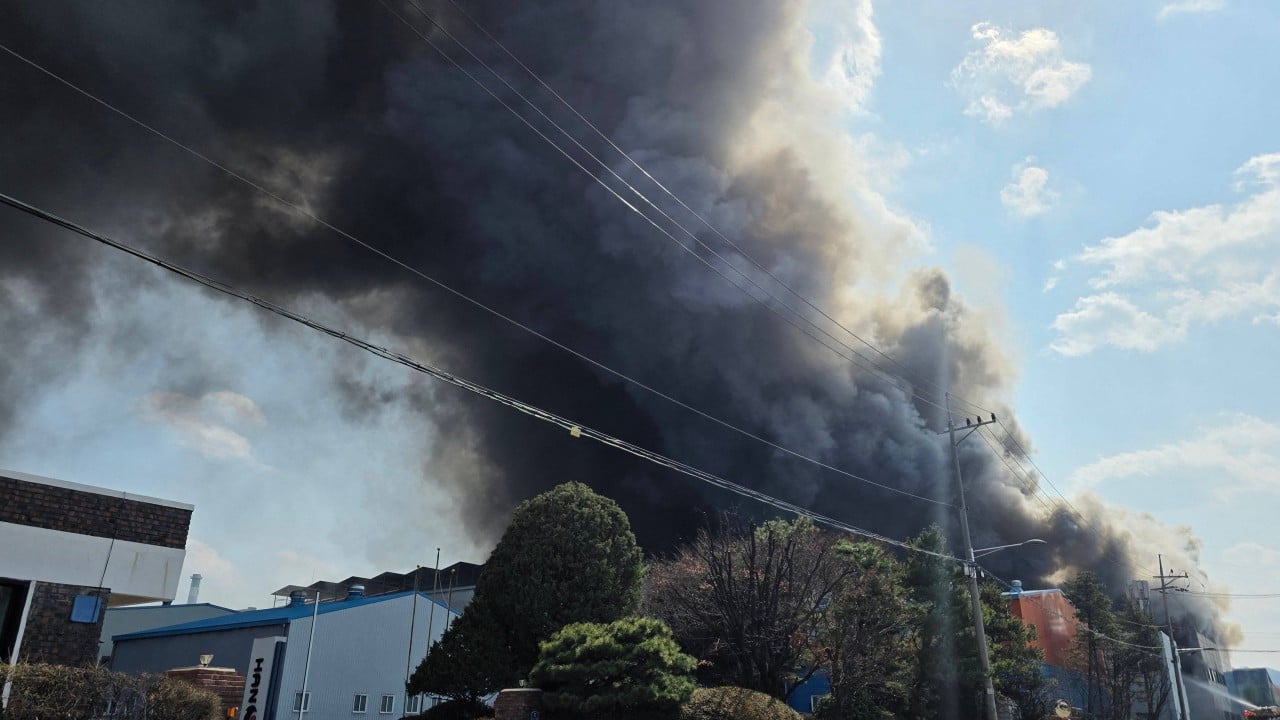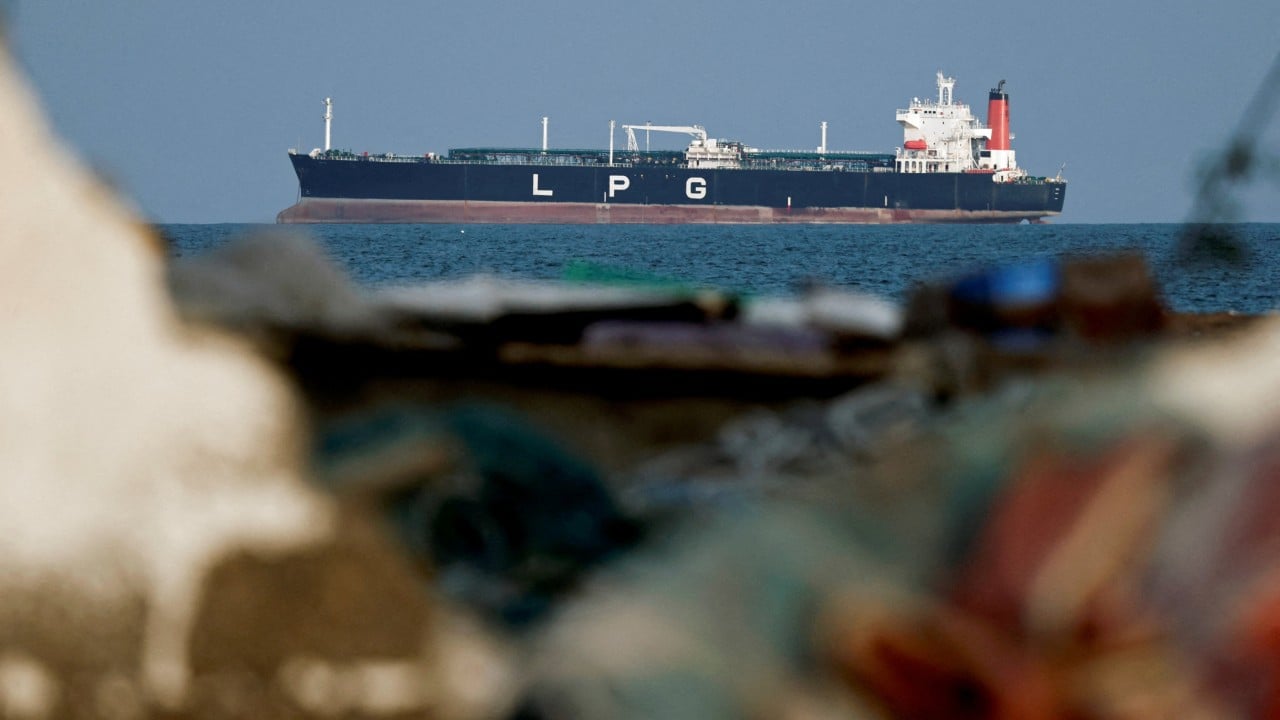
The Strait of Hormuz isn't just a stretch of water. It's the world's jugular vein. Right now, it's being squeezed hard. If you've looked at the headlines lately, you've seen the chaos: joint military strikes, drone boat attacks, and a shipping industry that's basically holding its breath. This isn't just another regional spat. It’s a full-blown maritime blockade that has removed 20 million barrels of oil per day from the global market.
Honestly, the situation is a mess. By early March 2026, we saw a 70% reduction in traffic through the strait. Think about that. Nearly three-quarters of the lifeblood of the global economy just stopped moving through its most vital artery. Iran has reportedly made over 20 confirmed attacks on merchant ships this month alone. While the U.S. claims to have decimated Iran's formal navy, the "shadow fleet" and drone tactics are proving that you don't need a massive frigate to shut down a chokepoint.
The Reality of the De Facto Blockade
The "official" status of the Strait of Hormuz is a point of constant debate, but on the water, the reality is clear. It’s closed. The Islamic Revolutionary Guard Corps (IRGC) has been broadcasting radio warnings to every merchant ship in the vicinity. Their message? "No vessels are allowed to pass." Whether it’s a legal blockade or just a threat of violence, the result is the same. Tankers are turning back.
- The Human Cost: This isn't just about cargo. Ships like the Skylight and MKD VYOM have seen sailors killed and injured by projectiles and drone boats.
- The Insurance Nightmare: Maritime insurance premiums for the Persian Gulf have surged by 50%. Major providers have simply stopped offering war risk coverage. If you can't insure a ship, you don't sail it.
- The Global Deficit: We're looking at an immediate deficit of 20 million barrels of oil per day. That’s one-fifth of global consumption gone in an instant.
Why Your Gas Prices Are Just the Beginning
Most people focus on the price at the pump. Sure, Brent crude hitting $90 or $100 a barrel is painful. But the real story is the supply chain for everything else. The Strait of Hormuz handles 20% of the world's Liquefied Natural Gas (LNG). Most of that goes to Asia—specifically China, India, Japan, and South Korea. When those economies catch a cold, the rest of the world gets the flu.
We’re seeing a shift where countries like Japan and South Korea, who rely heavily on this route, are scrambling for alternatives. But there aren't many. You can't just "reroute" 20 million barrels of oil overnight. While Iran is trying to use terminals like Kooh Mobarak to bypass the strait themselves, everyone else is stuck.
The Logistics of the Shutdown
The U.S. and Israel have conducted strikes aimed at Tehran, but the retaliatory "asymmetric" warfare from Iran is what’s actually killing the trade. They’re using drone boats—unmanned, explosive-laden vessels—to target engine rooms. It’s cheap, effective, and terrifying for a crew of 20 people on a massive tanker.
- VHF Radio Warnings: IRGC forces use standard maritime radio frequencies to warn ships that the area is "unsafe."
- Targeted Strikes: They aren't just hitting random ships; they're targeting vessels with perceived links to the U.S., Israel, or those following "sanctioned" routes.
- Escalation: The conflict has spilled into the Indian Ocean. It's no longer just about the 21-mile-wide neck of the strait; it's about the entire regional approach.
What This Means for You Right Now
If you're an investor or just someone worried about the economy, don't wait for an official "reopening" announcement. These things don't end with a ribbon-cutting ceremony. They end with a slow, agonizing return of confidence that might take months or years.
- Watch the Insurance Markets: The first sign of de-escalation won't be a political speech. It’ll be when insurance companies start offering war risk coverage again.
- Diversify Energy Exposure: If you're holding stocks in sectors heavily dependent on stable energy prices—like airlines or heavy manufacturing—you're in for a bumpy ride.
- Expect Tech Delays: The energy crunch in Asia will eventually hit semiconductor and electronics manufacturing. Your next phone might be more expensive and harder to find.
The Strait of Hormuz is currently a "no-go" zone for a reason. Until the risk of drone attacks and ship seizures drops, the global economy is going to keep feeling the squeeze. If you're involved in maritime logistics or commodity trading, the play is clear: look for routes that avoid the Gulf entirely, even if they cost more. Safety is currently the only currency that matters in the Middle East.
Monitor the daily VHF broadcast reports and maritime intelligence feeds. Don't trust the political posturing from either side; watch where the ships are actually moving. Right now, they aren't moving much at all.