Western media treats the slaughter at a Darfur-Est hospital like a tragic glitch in a functioning system. They count the bodies—64 dead, 13 children—and then wait for the predictable chorus of "condemnations" from the UN and the African Union. They call for more aid. They call for more "neutral" intervention.
They are dead wrong.
The massacre at the hospital isn't a failure of the international order. It is the logical, inevitable product of a humanitarian industrial complex that subsidizes the very warlords it claims to oppose. When we treat the Rapid Support Forces (RSF) or the Sudanese Armed Forces (SAF) as political entities capable of "violating international law," we give them a legitimacy they haven't earned and a financial floor they don't deserve.
Stop looking at Sudan as a "humanitarian crisis." It is a high-stakes resource auction where the currency is human misery.
The Myth of the "Innocent" Aid Corridor
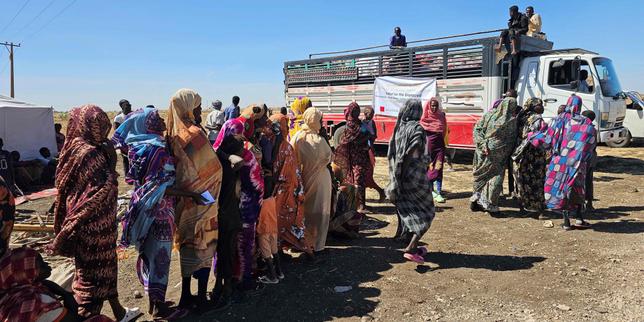
Every time an NGO or a foreign power demands a "humanitarian corridor" to reach Darfur, they are actually negotiating a tax bracket with a militia. In the current conflict, aid isn't just food or medicine; it is a strategic asset. If you bring a convoy of grain into an RSF-controlled territory, you are feeding their logistics chain. If you pay "protection fees" to ensure that 13 children don't get blown up in a ward, you are literally buying the shells that will kill 26 children in the next town over.
The "lazy consensus" suggests that we can decouple aid from the conflict. We can't. In a total war for control of gold mines and cattle routes, there is no such thing as a neutral calorie.
I have seen this play out in conflict zones for two decades. When an international body sets up a massive camp or supplies a hospital in a contested zone, they create a target. They concentrate the one thing every warlord needs: leverage. By continuing to pour resources into zones without the military will to protect them, we aren't "saving lives." We are fattening the prize.
Why "International Law" is a Dead Language
Human rights organizations love to cite the Geneva Convention when a hospital gets hit. It feels productive. It provides a framework for a report. But in the scorched-earth reality of Darfur-Est, citing the Geneva Convention is like reading a cookbook to a starving man. It’s irrelevant.
The RSF isn't ignoring the law; they are using your adherence to it against you. They know the West operates on a cycle of "Outrage, Report, Sanction, Repeat."
Look at the mechanics of the "Sanction" phase. We freeze assets of specific generals. We ban travel for men who have no intention of visiting Paris or New York anyway. Meanwhile, the actual engines of their power—gold smuggling through the UAE and private military partnerships with the Wagner Group (now Africa Corps)—remain largely untouched because they are too "complex" to dismantle without hurting global markets.
If we actually cared about the 64 people killed in that hospital, we wouldn't be writing press releases about "war crimes." We would be aggressively decoupling the Sudanese gold market from the global banking system. But that would require a level of economic discomfort that no "humanitarian" nation is willing to endure.
The Logistics of the Slaughter
Let’s talk about the hardware. Hospitals don't just "get hit" by accident in modern warfare. This isn't 1914. Whether it’s artillery or drone strikes, these are targeted strikes meant to displace populations.
When a hospital is destroyed, the surrounding area becomes uninhabitable. This creates a vacuum. In the world of Sudanese land grabs, a vacuum is a victory. The SAF and RSF aren't fighting for the hearts and minds of the people in Darfur-Est; they are fighting for the geography itself.
By framing these attacks as "tragedies," the media obscures the tactical brilliance—however evil—behind them. Every dead child in that hospital is a signal to the survivors: Leave or die. And once they leave, the gold mines are easier to manage.
The Failed Logic of "Neutrality"
The most dangerous lie in the competitor's narrative is that the international community is a bystander. We are the primary financiers.
Through the "soft" power of the UN and various "stability" funds, we have spent billions trying to keep Sudan from collapsing over the last decade. All we did was build a more expensive house for the fire to burn down. We validated General Burhan and Hemedti as "statesmen" during the 2019 transition, despite knowing exactly who they were and what they had done in Darfur years ago.
We traded the soul of Sudan for the illusion of a "managed transition." The 64 people dead in Darfur-Est are the interest on that debt.
Dismantling the Victim Narrative
People often ask: "What should we do then? Let them starve?"
That is the wrong question. It assumes the only options are "Blind Aid" or "Cruel Neglect." There is a third path, but it’s one that the "humanitarian" industry hates because it puts them out of a job.
- Weaponize the Supply Chain: Instead of sending bags of grain that get hijacked, aggressively target the shell companies in Dubai and Riyadh that laundered the $2 billion in gold that funded the RSF’s recent offensive.
- End the "Both Sides" Fallacy: Stop inviting war criminals to "peace talks" in luxury hotels. Peace talks are just a rebranding exercise for killers.
- Militarize the Aid: If a hospital is too important to be bombed, it’s too important to be left undefended. If the UN isn't willing to put a "No-Fly Zone" over Darfur, they should stop pretending they can provide "safe" healthcare there.
The downside to this approach? It’s messy. It’s loud. It ruins diplomatic dinners. It forces us to admit that we have been subsidizing a genocide because it was easier than confronting our "partners" in the Middle East who facilitate the trade.
The Brutal Reality of Darfur-Est
The hospital attack wasn't a "shattering of hope." It was a demonstration of power. As long as the West treats Sudan as a charity case rather than a criminal enterprise, the body counts will only go up.
The children who died in that hospital weren't killed by "instability." They were killed by a global system that finds it more profitable to mourn dead Africans than to stop the flow of money to the men who kill them.
Every dollar of "unconditional" aid sent into a war zone without a security mandate is a bullet in a militia's magazine. If you can't protect the hospital, you have no business pretending you’re helping it.
Burn the press releases. Follow the gold. Stop the money, or stop the crying.